

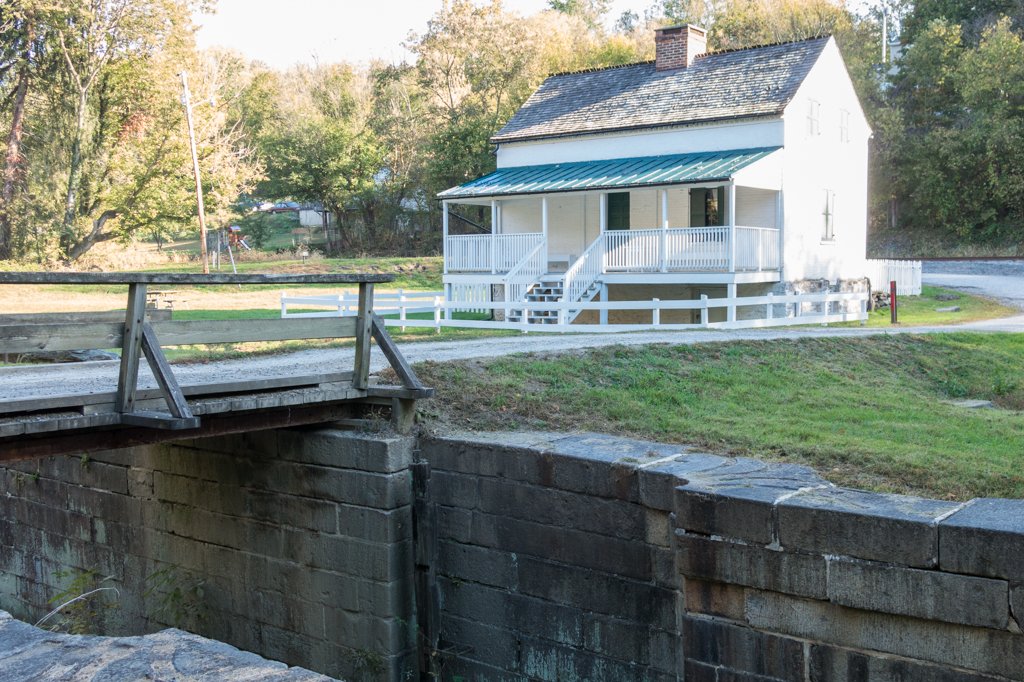
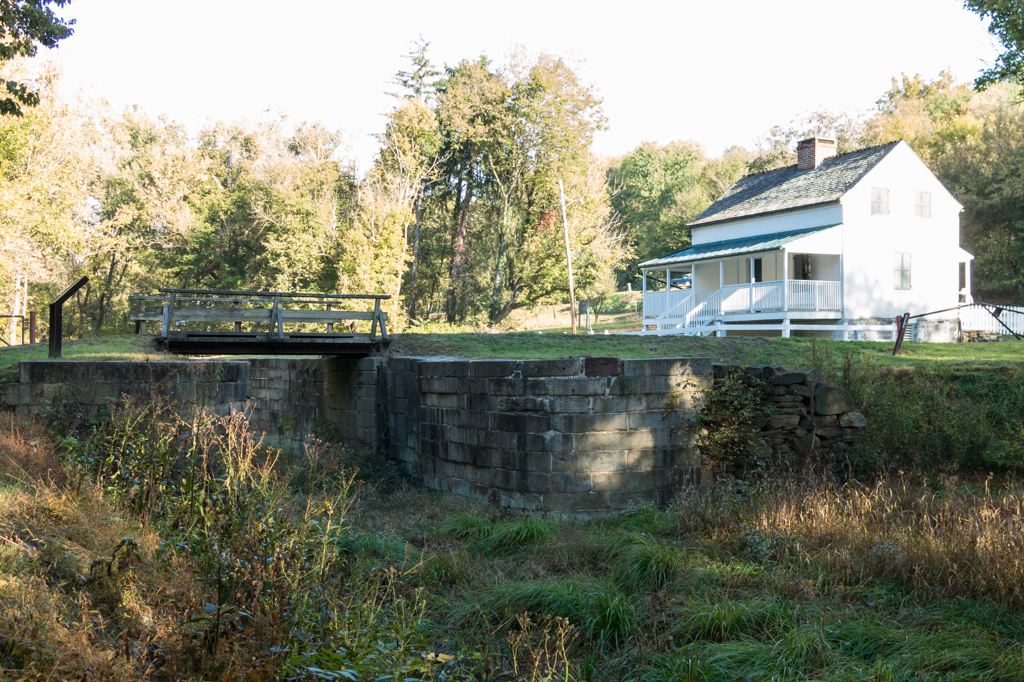
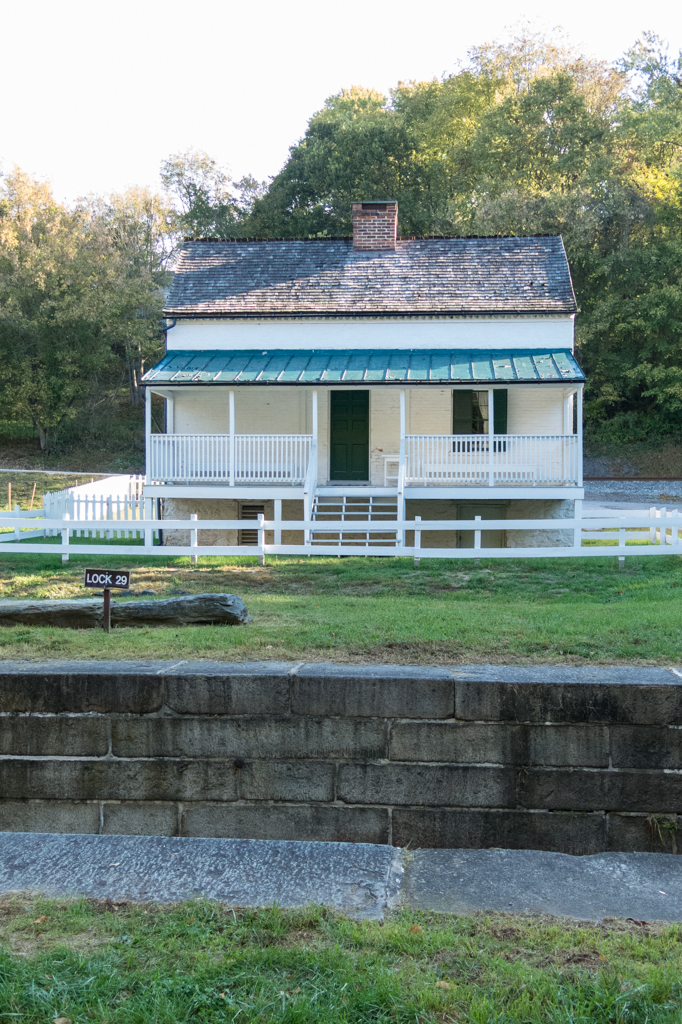
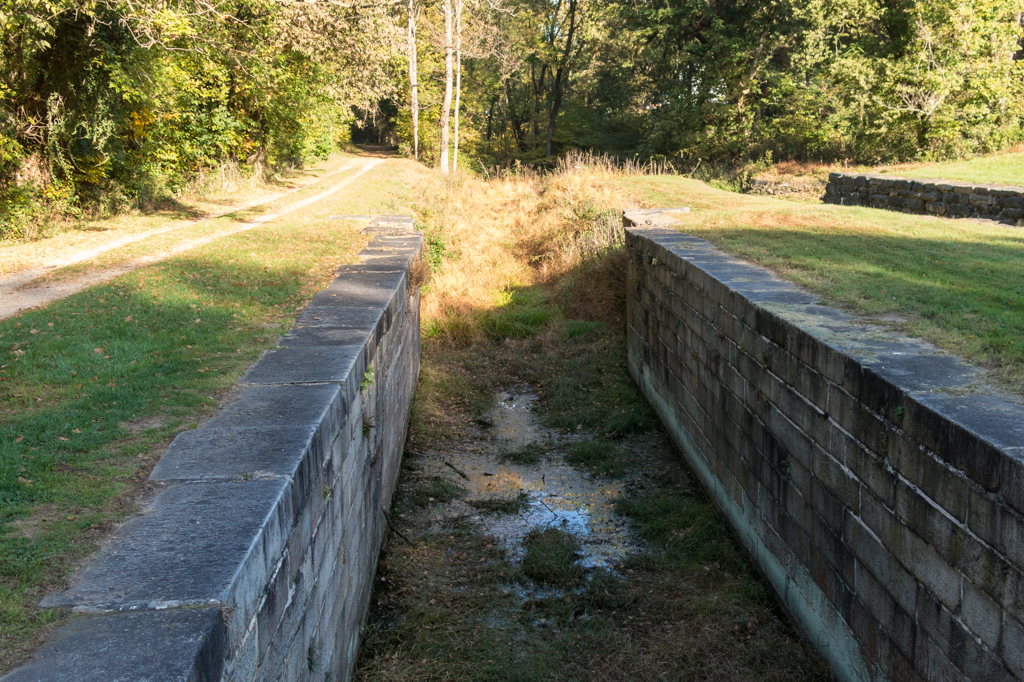
Lock 29 is an example of a lock extended during the 1876–1883 period from the initial 100-foot chamber length to accommodate double boats. Initially completed in April 1834, the lock walls were primarily built of granite obtained from quarries along the Patapsco River. The granite was shipped on the Baltimore and Ohio Railroad to Point of Rocks, Maryland, where it was then taken by wagon to the building site. The remainder of the stone came from a white flint quarry in Virginia. Lock 29 includes an 1833 bypass flume with dry-laid stone walls that parallels the lock. The lock extension required removal of the upper breast walls and then construction of extensions using wood cribbing filled with rock.
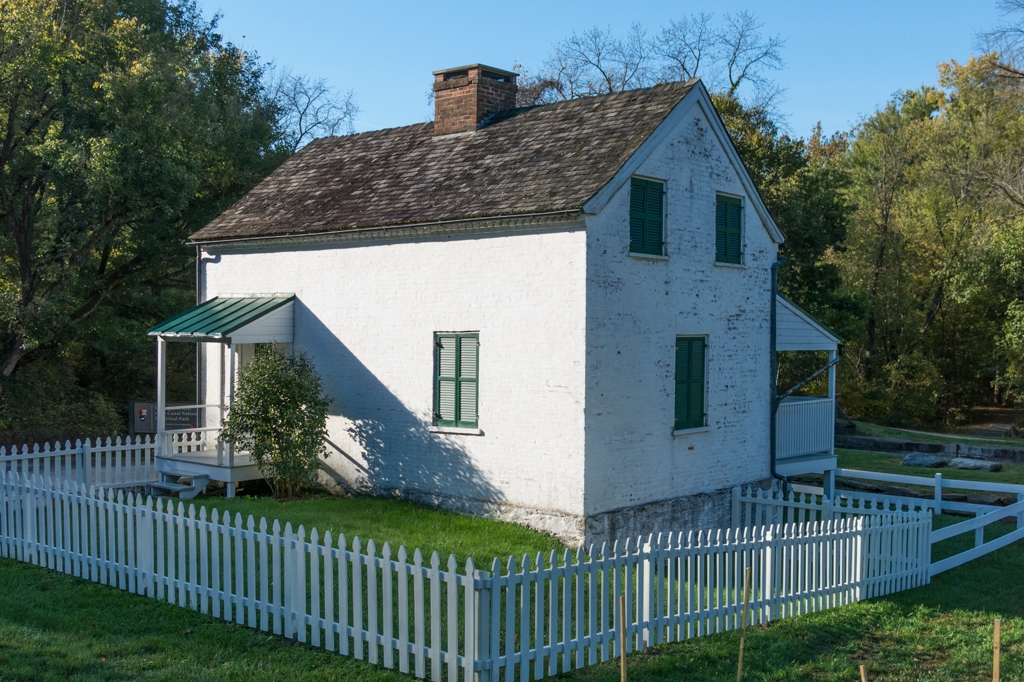
A permanent lockhouse was completed in May 1837, replacing a temporary wood structure. The one-and-one-half-story brick lockhouse sits on an uncoursed, limestone rubble foundation, reflecting the 1836 changes to the canal’s lockhouse design specifications allowing for brick construction. As per the specifications, it measured 18 by 30 feet, and the interior space included a full basement and two rooms on the first and second floors. A unique feature of this lockhouse was the construction of a porch spanning the riverside facade of the building. Major repairs of the structure were undertaken in 1869, and again in 1885 after extension of the lock was complete.