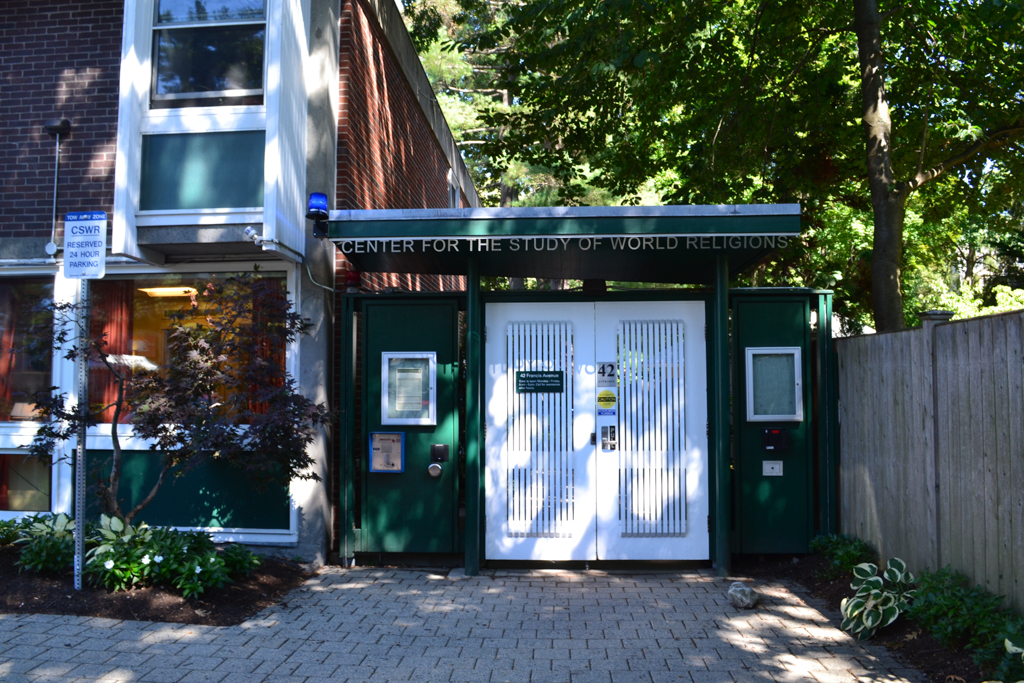
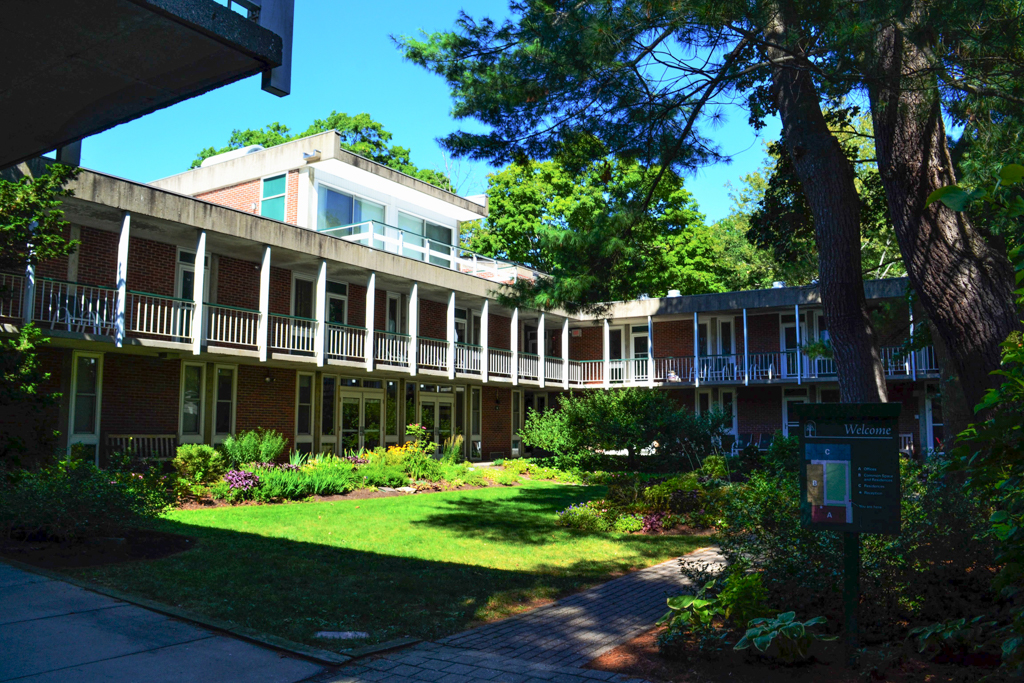
Center for the Study of World Religions

Center for the Study of World Religions

Center for the Study of World Religions Peter Vanderwarker or Antonina Smith

Center for the Study of World Religions

Center for the Study of World Religions Photo 3 of Center for the Study of World Religions Photo 4 of Center for the Study of World Religions Photo 5 of Center for the Study of World Religions Photo 6 of Center for the Study of World Religions Photo 7 of Center for the Study of World Religions Photo 8 of Center for the Study of World Religions Photo 9 of Center for the Study of World Religions Photo 10 of Center for the Study of World Religions Photo 11 of Center for the Study of World Religions Photo 12 of Center for the Study of World Religions Photo 13 of Center for the Study of World Religions Photo 14 of Center for the Study of World Religions Photo 15 of Center for the Study of World Religions Photo 16 of Center for the Study of World Religions Photo 17 of Center for the Study of World Religions Photo 18 of Center for the Study of World Religions Photo 19 of Center for the Study of World Religions Photo 20 of Center for the Study of World Religions Photo 21 of Center for the Study of World Religions Photo 22 of Center for the Study of World Religions Photo 23 of Center for the Study of World Religions Photo 24 of Center for the Study of World Religions Photo 25 of Center for the Study of World Religions Photo 26 of Center for the Study of World Religions Photo 27 of Center for the Study of World Religions Photo 28 of Center for the Study of World Religions Photo 29 of Center for the Study of World Religions Photo 30 of Center for the Study of World Religions
1959, Sert, Jackson and Gourley. 42 Francis Ave.

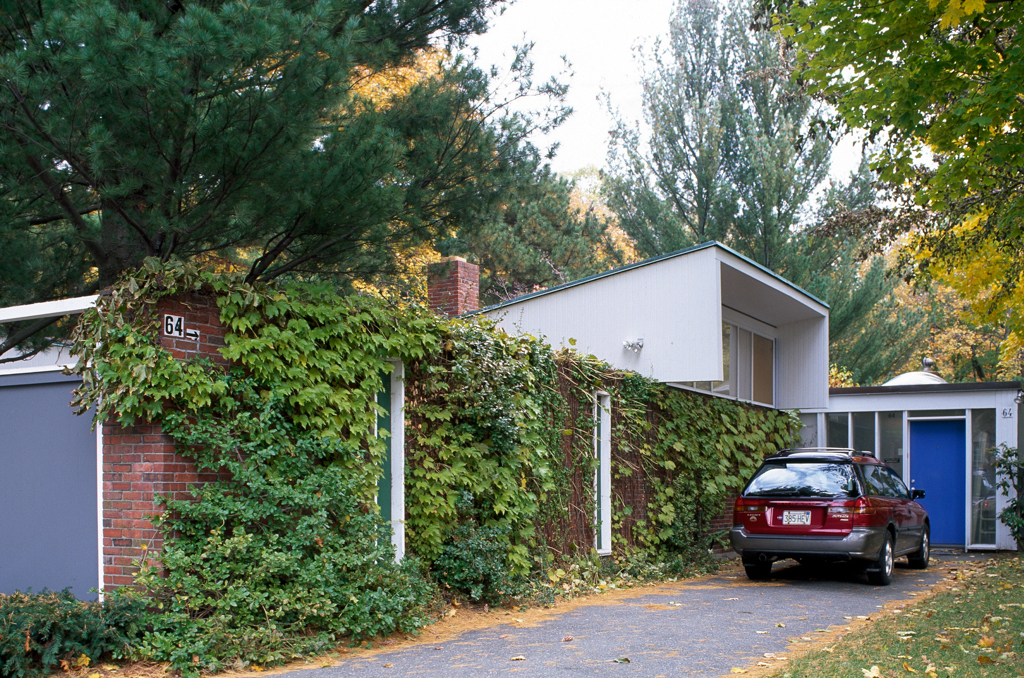
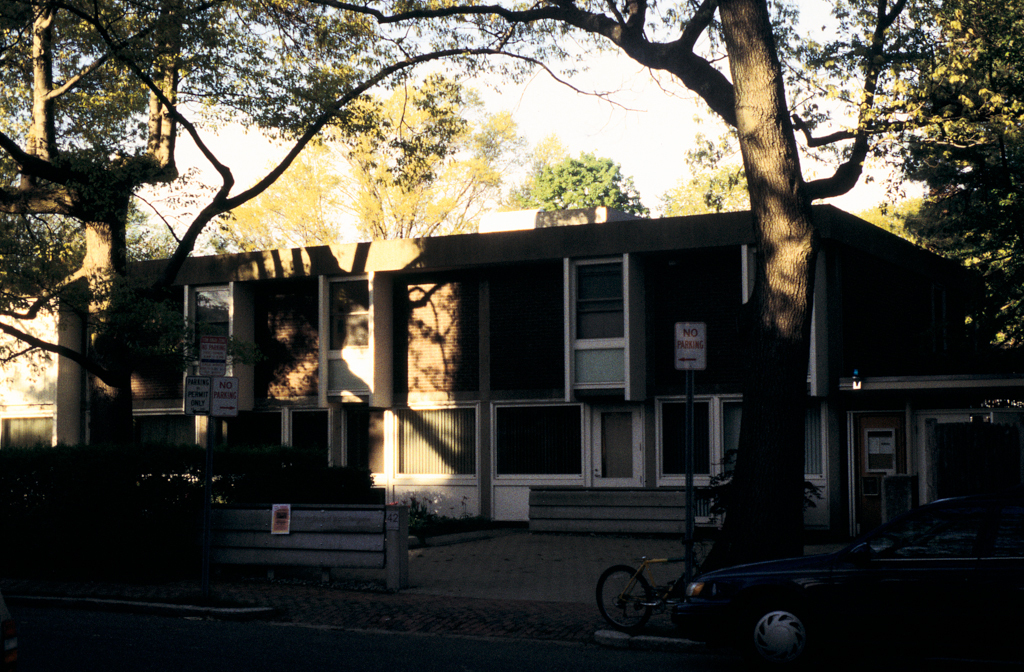
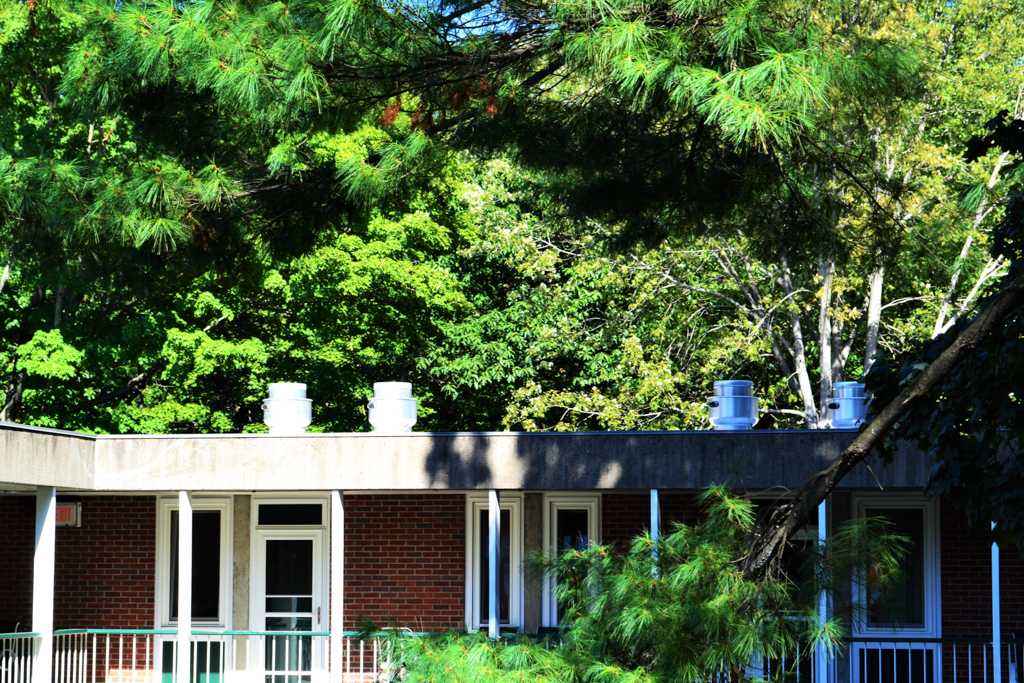
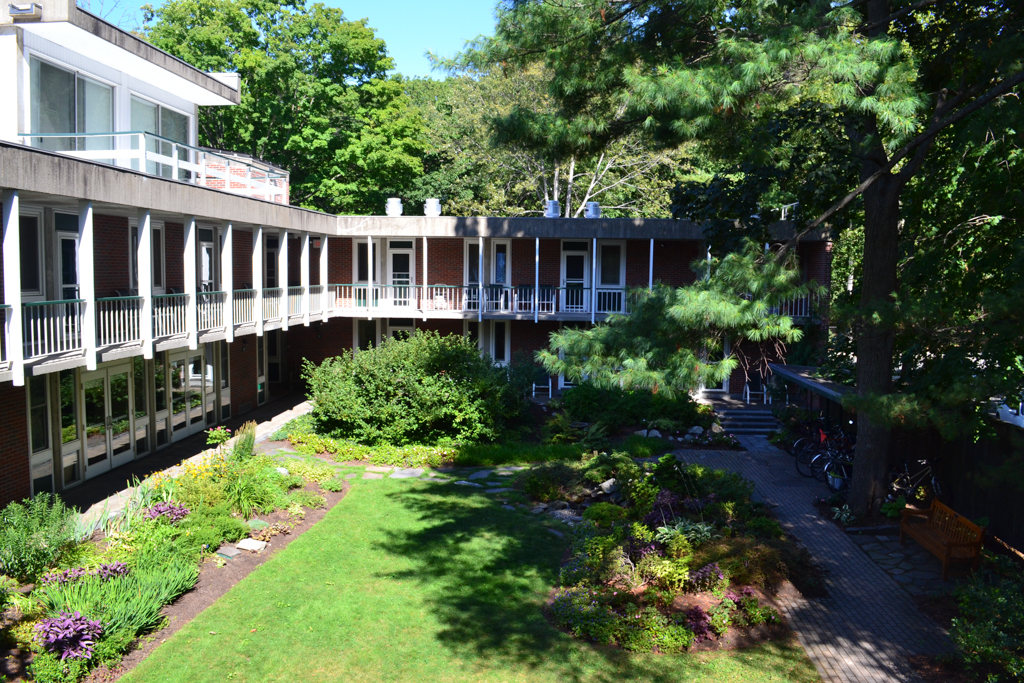
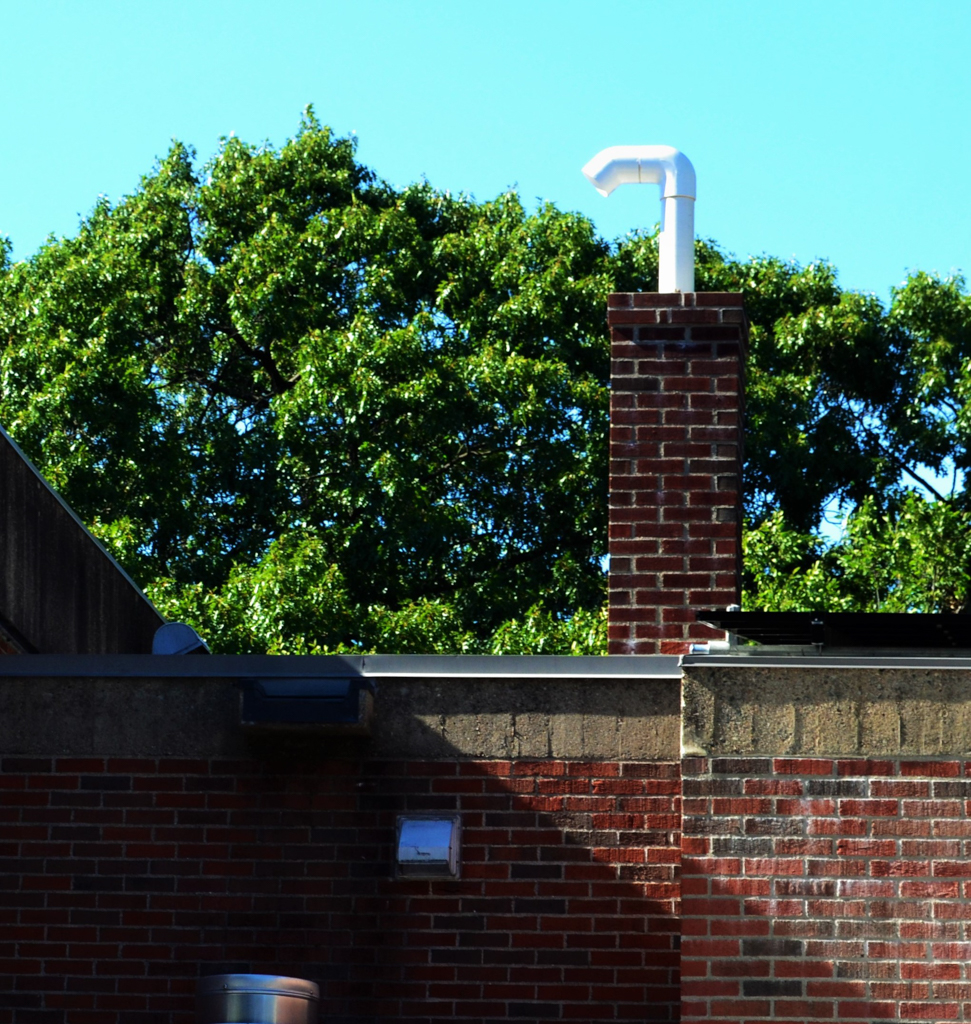
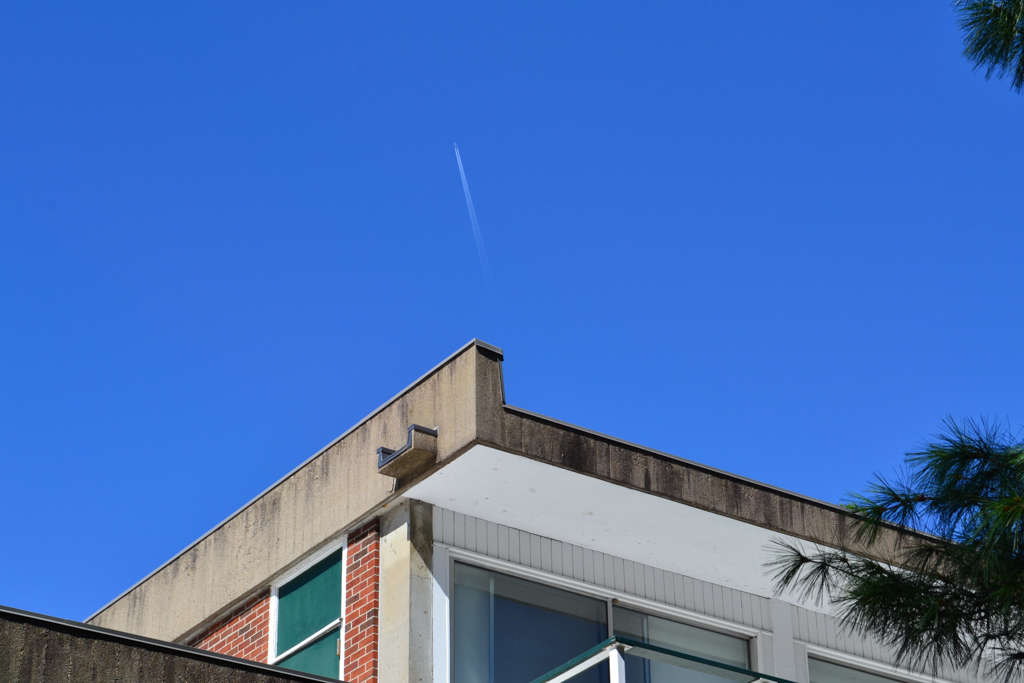
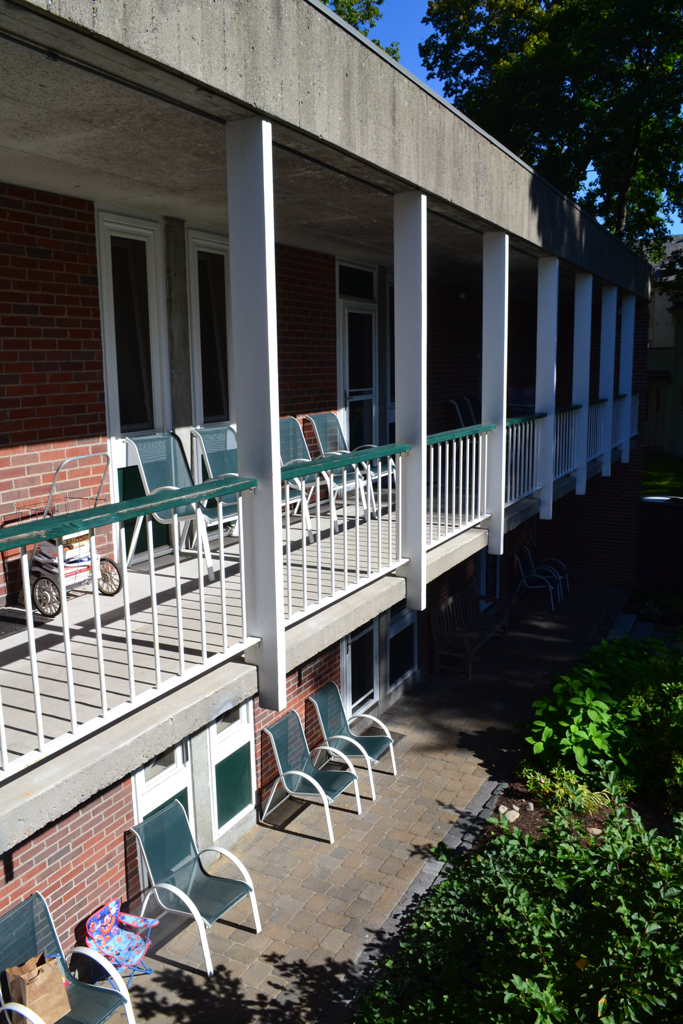
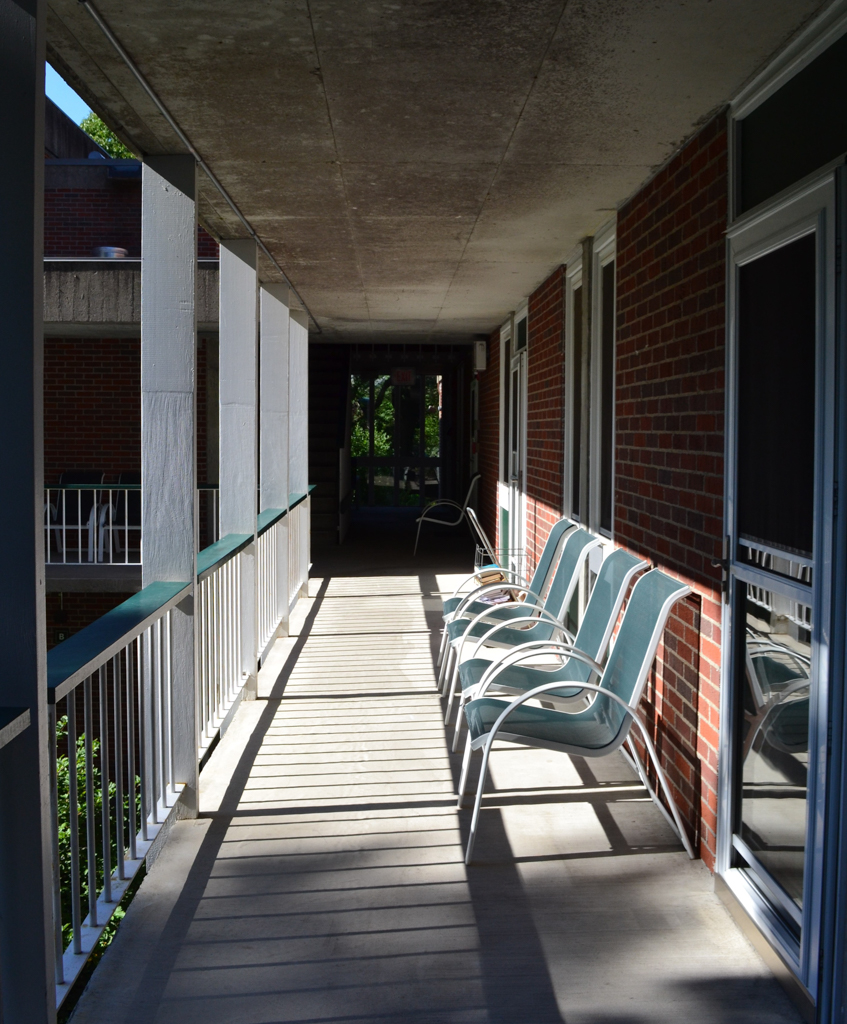
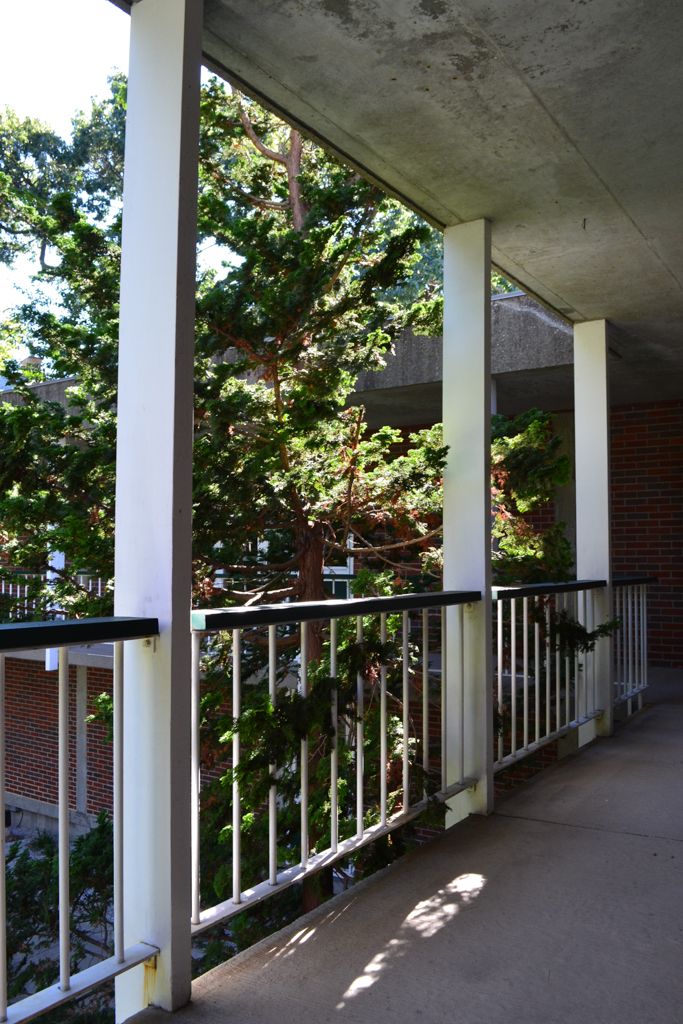
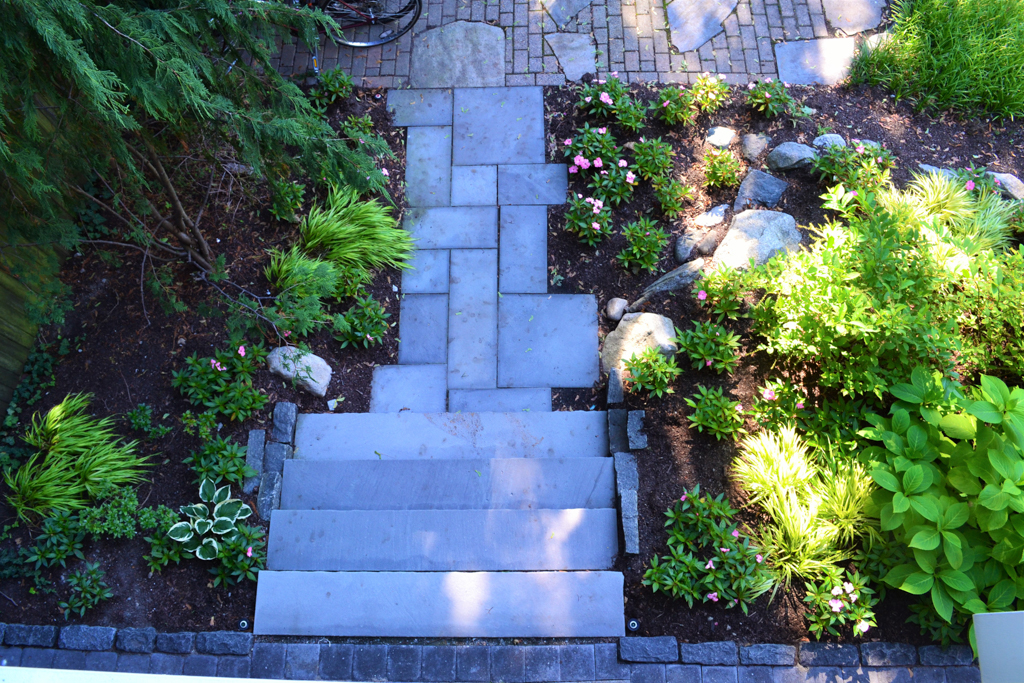
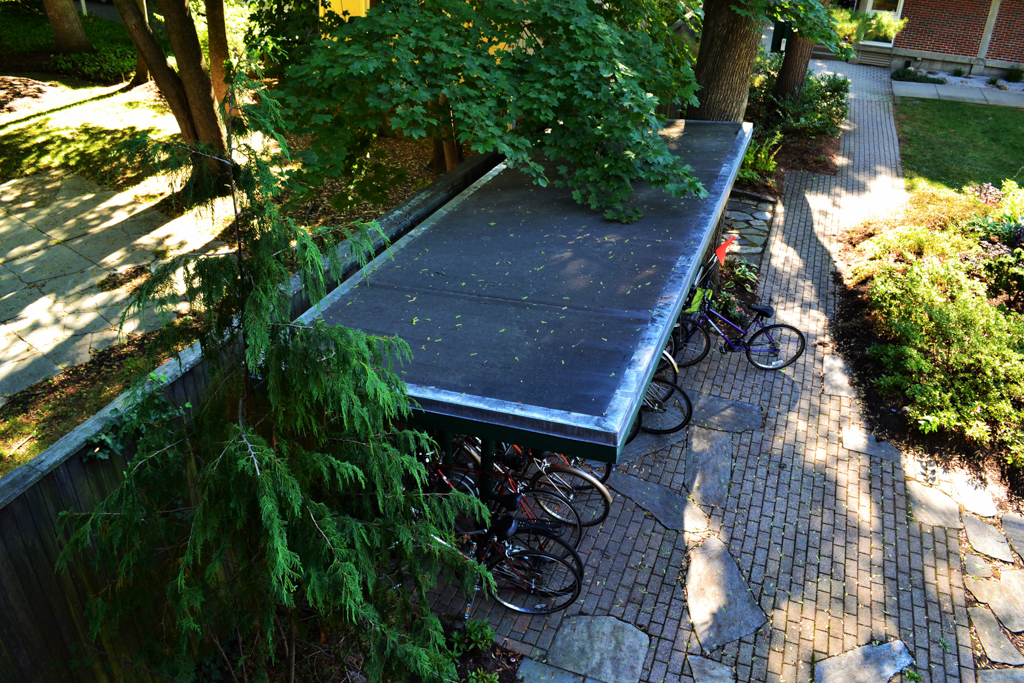
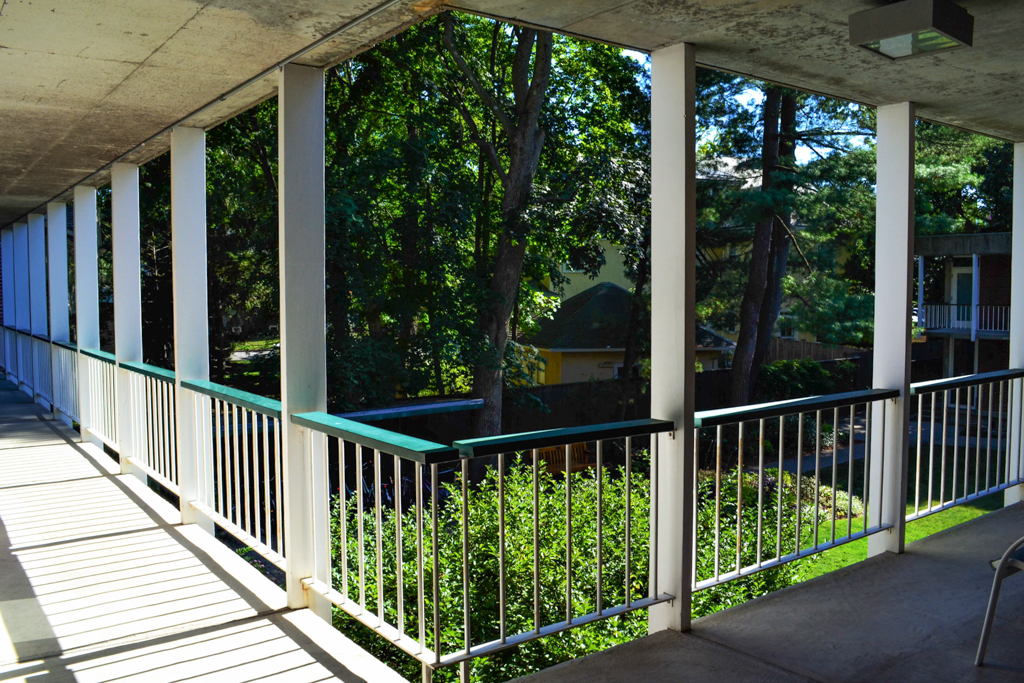
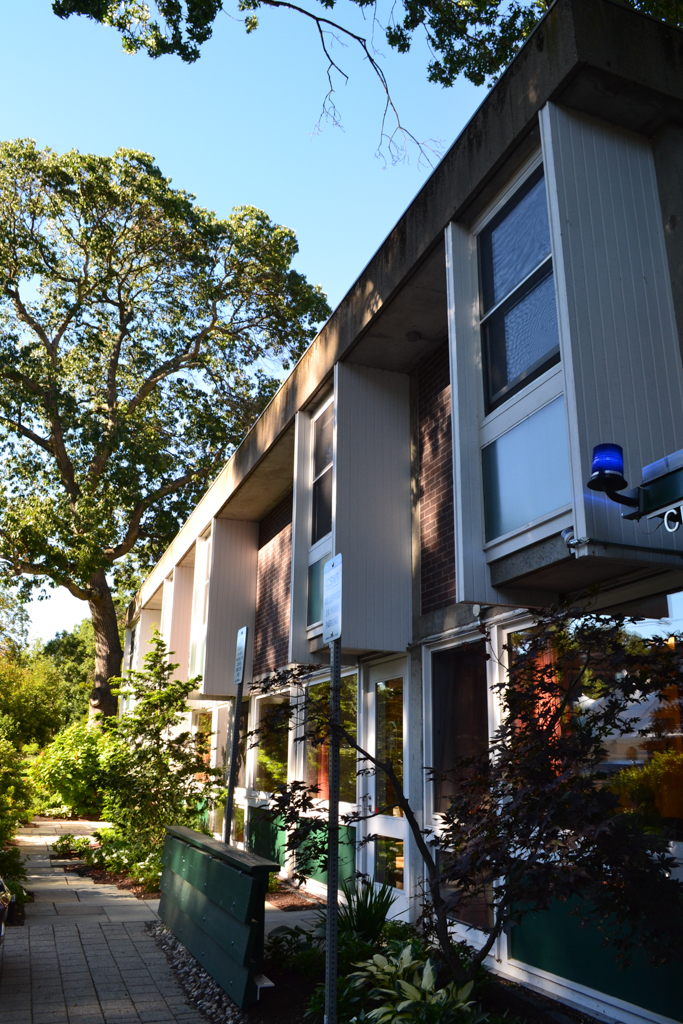
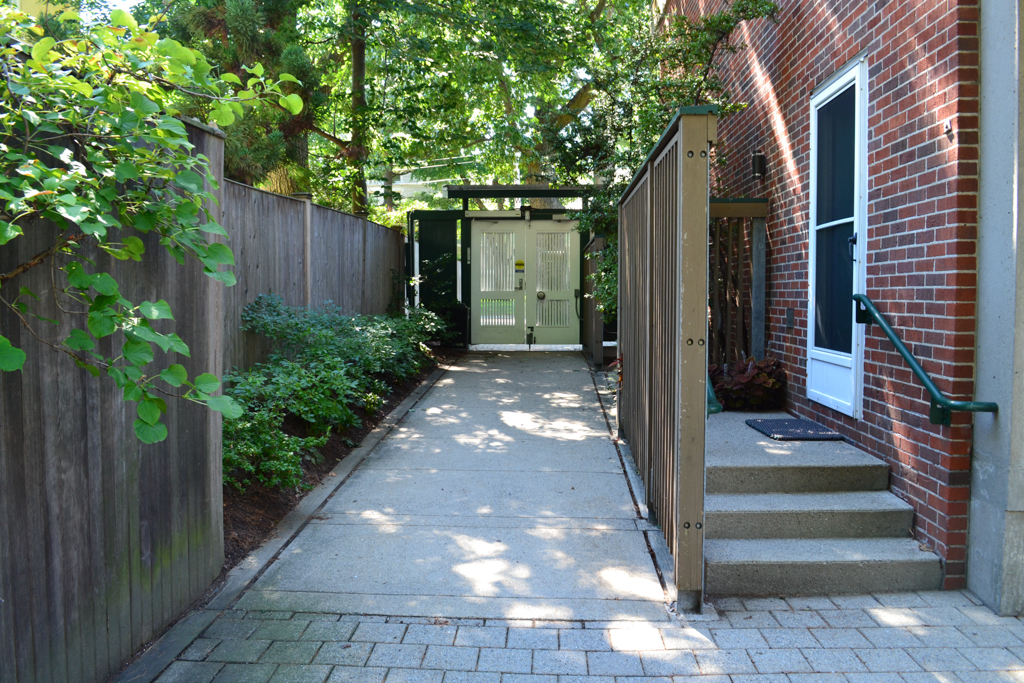
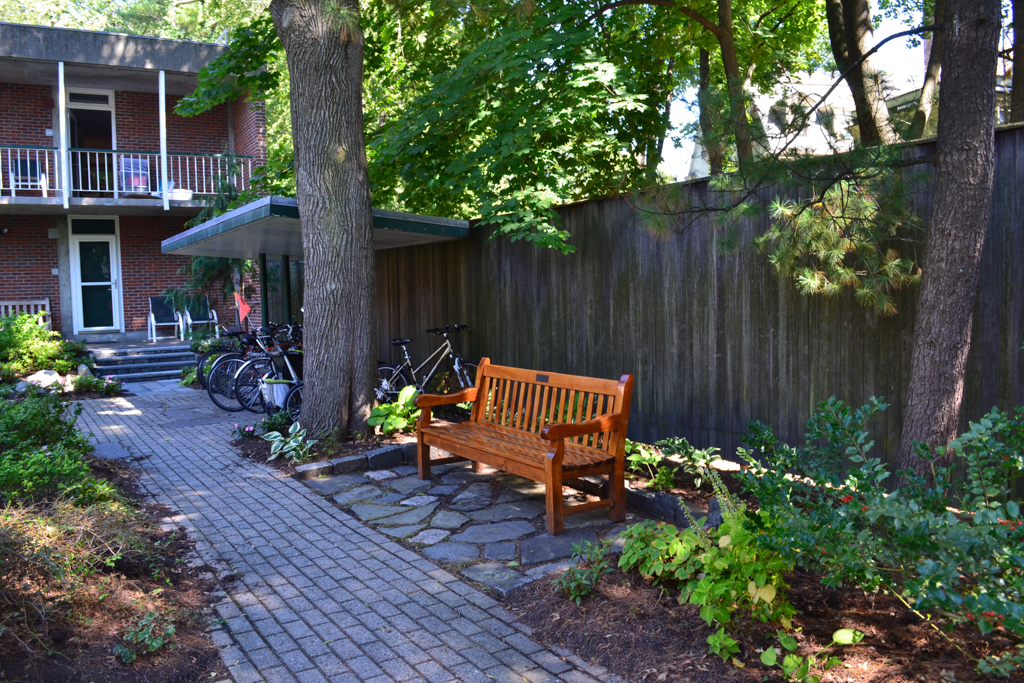
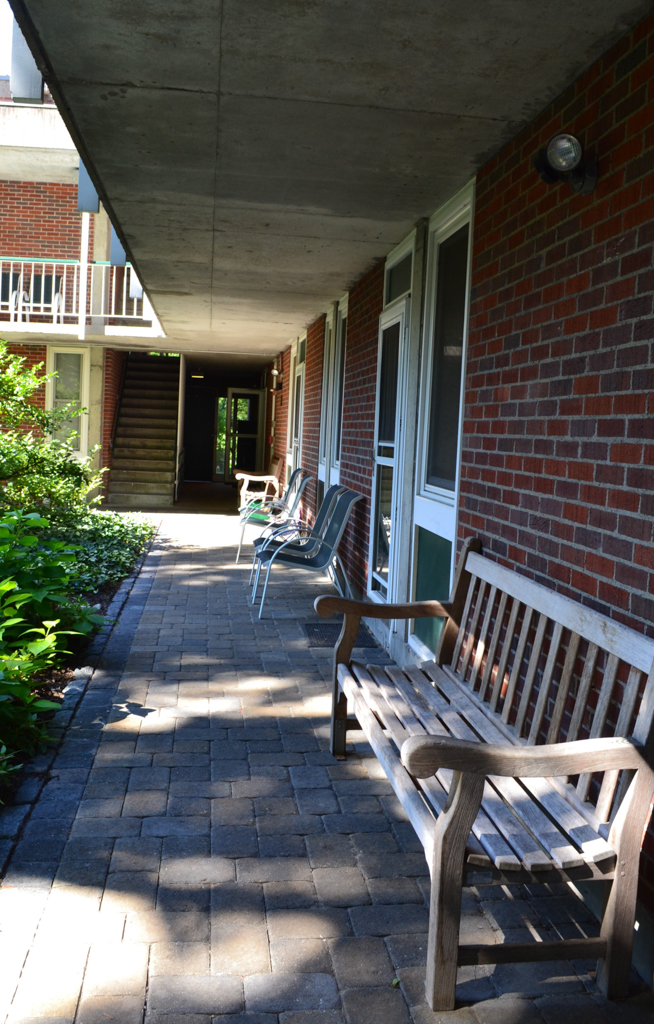
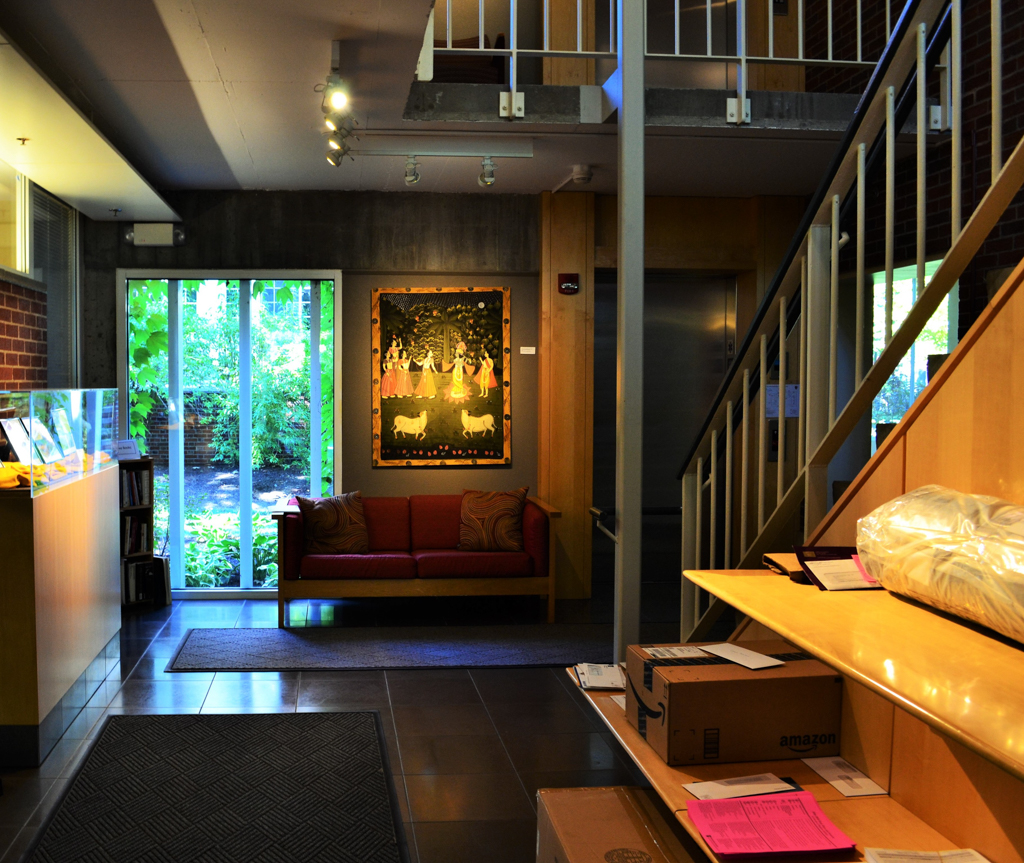
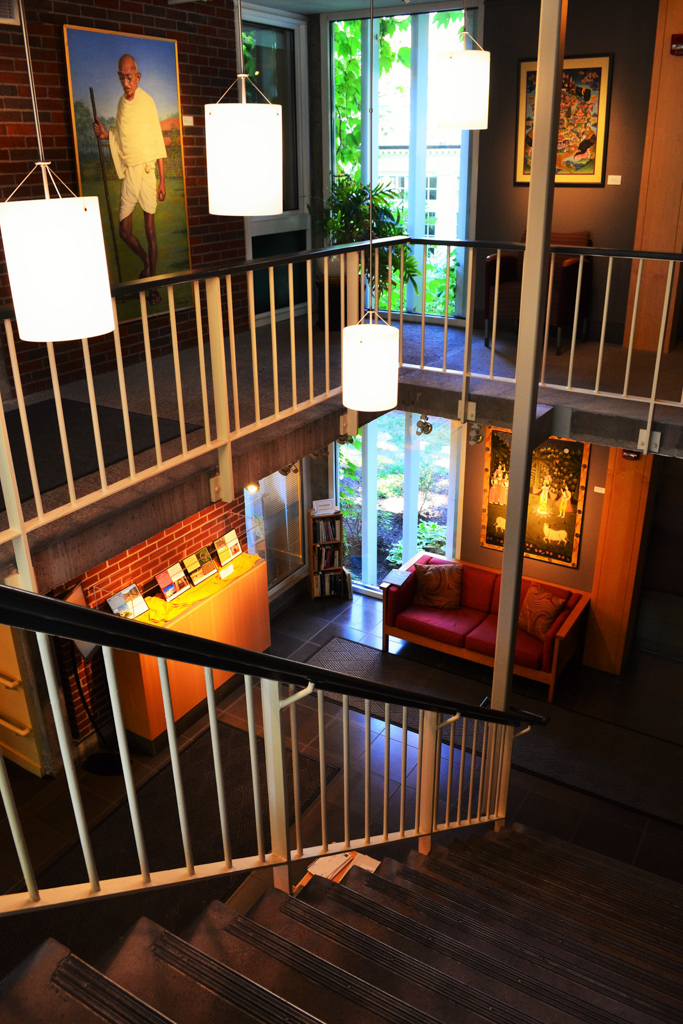
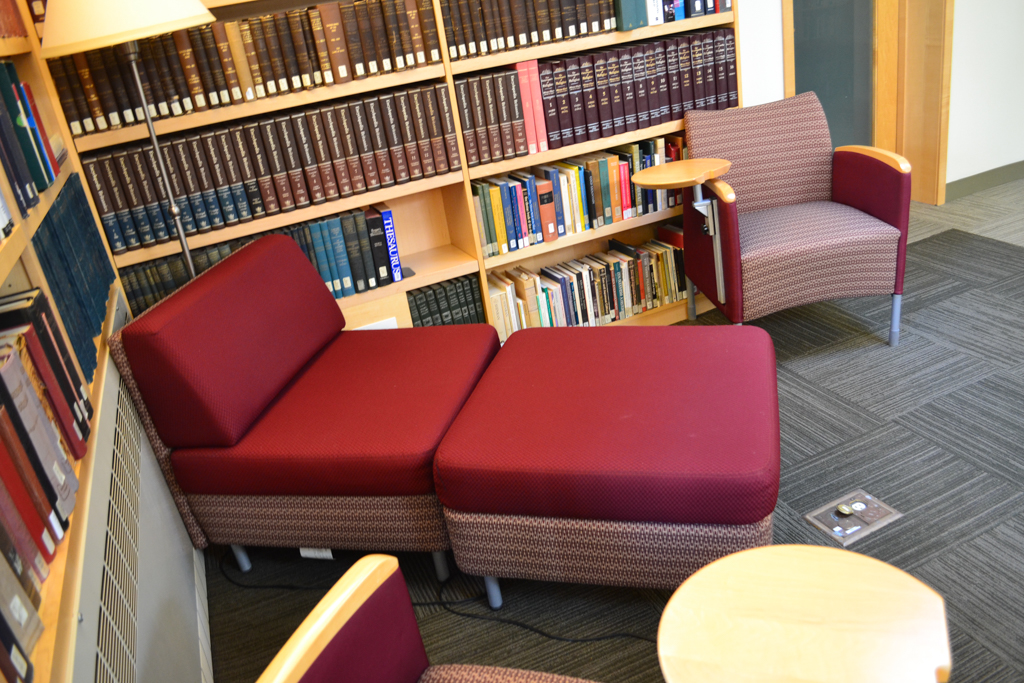
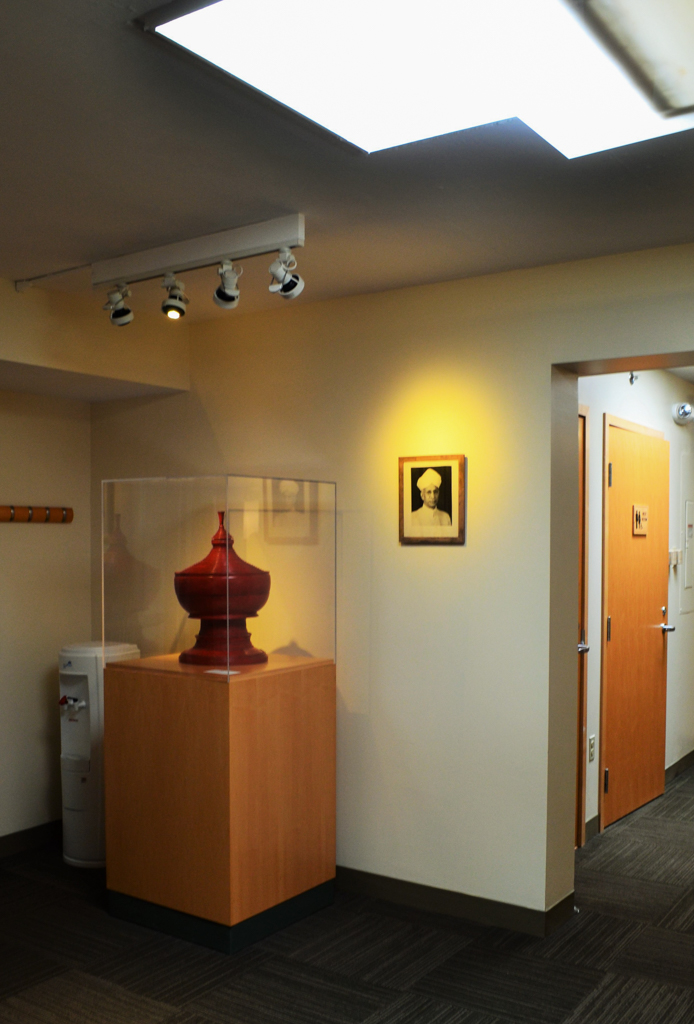
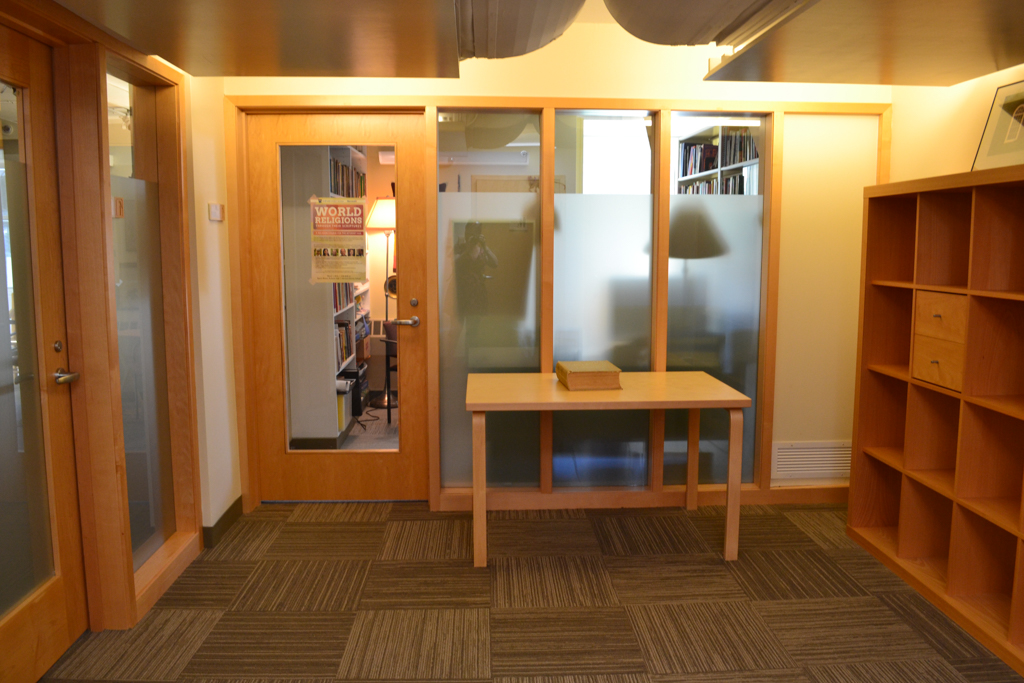
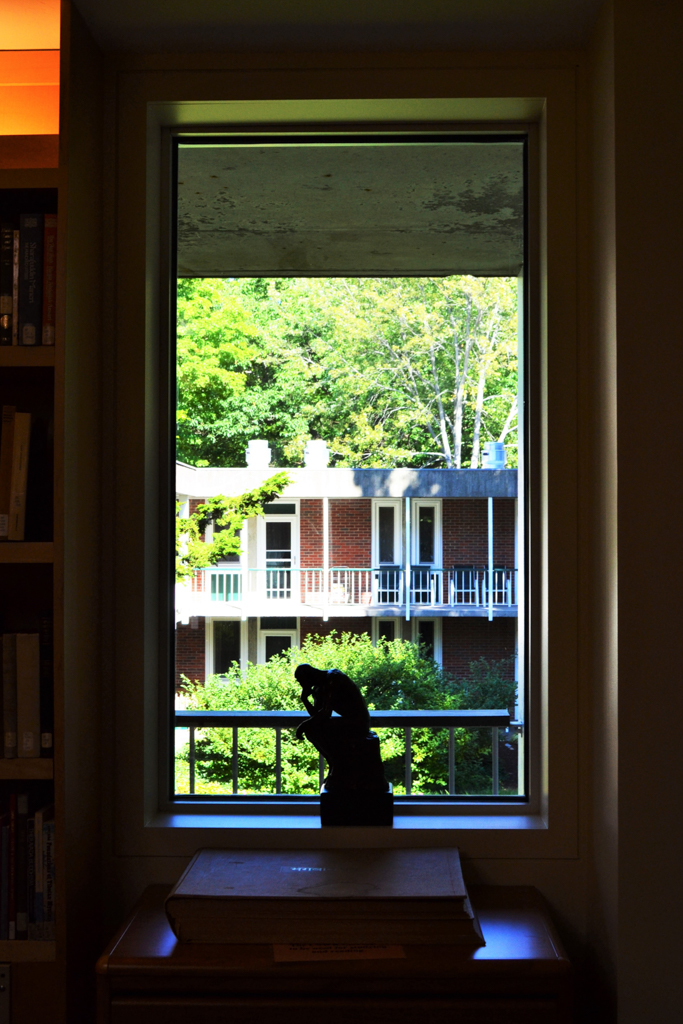
Light floods the Center for the Study of World Religions, designed by Josep Lluís Sert, then dean of the Graduate School of Design. A native of Barcelona, Sert planned the building around a central courtyard in a Mediterranean manner. Fitting into its domestic context, it was designed as both a residence and as an adjunct study center of the Divinity School across the street. Similarly, Sert's own house (begun in 1957 and located nearby at 64 Francis Street) was organized around three courts. The inward-focused one-story dwelling sits comfortably among the earlier and larger Colonial Revival residences that define this academic enclave.

Writing Credits