

Directly downriver from Woodlands (
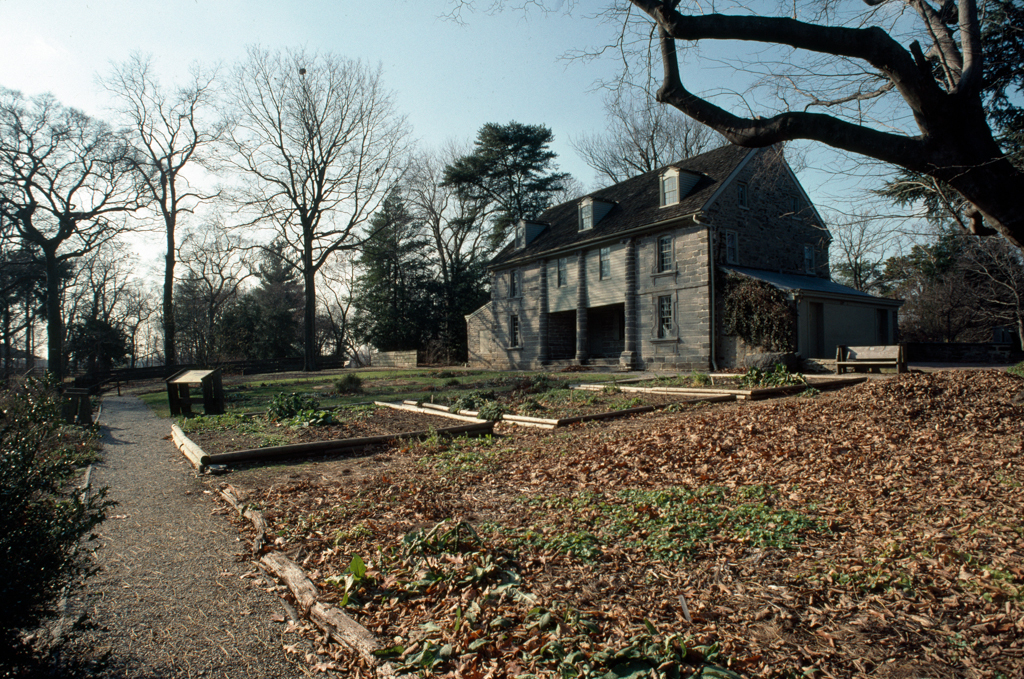
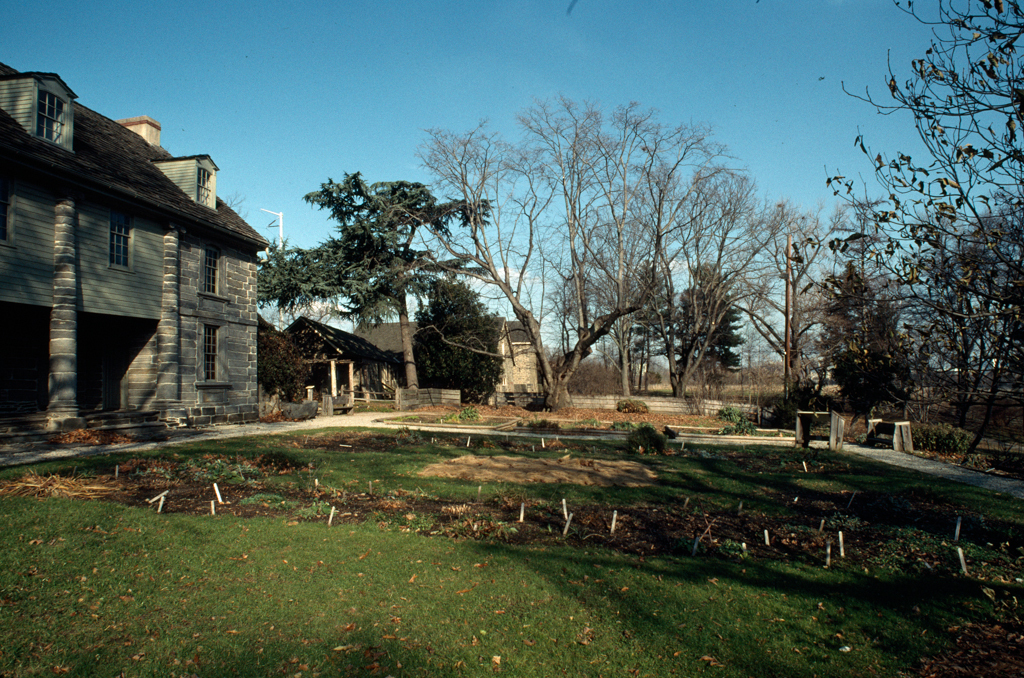
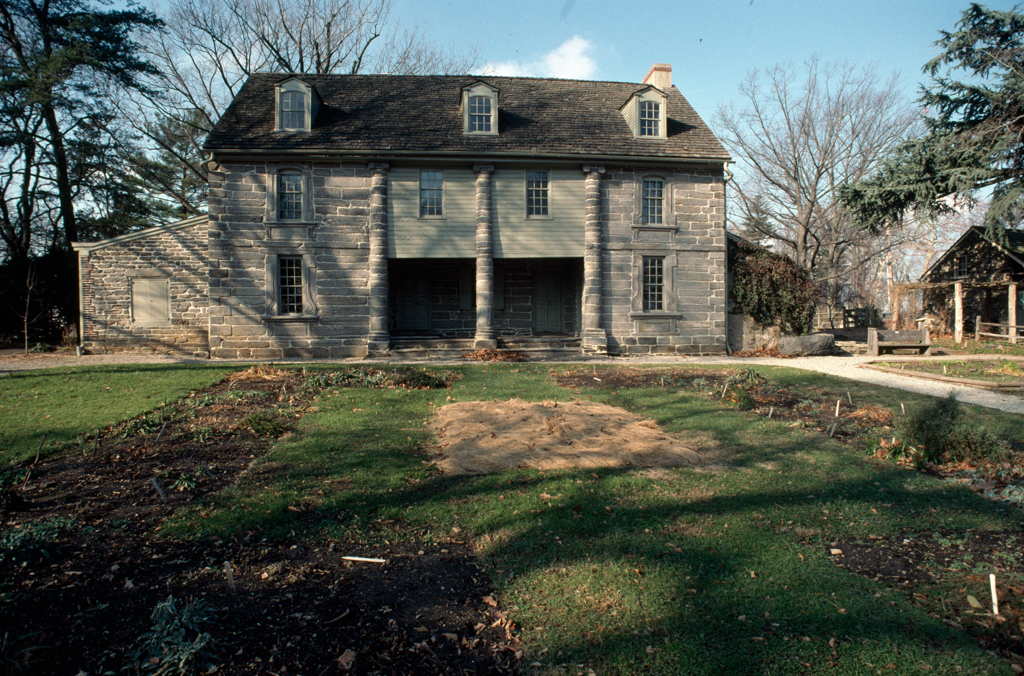
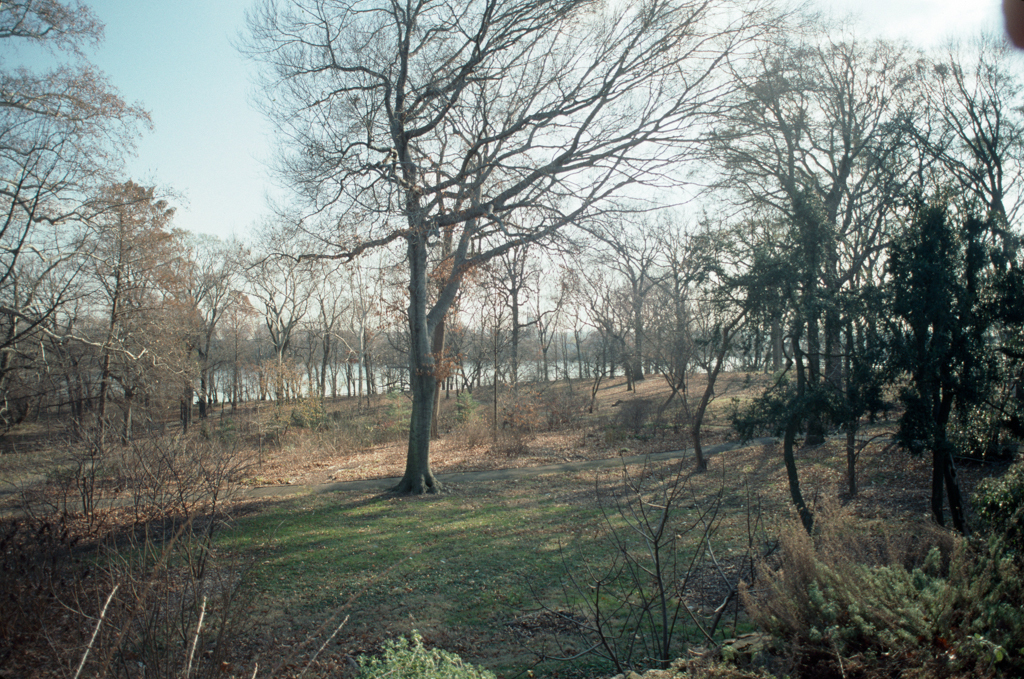
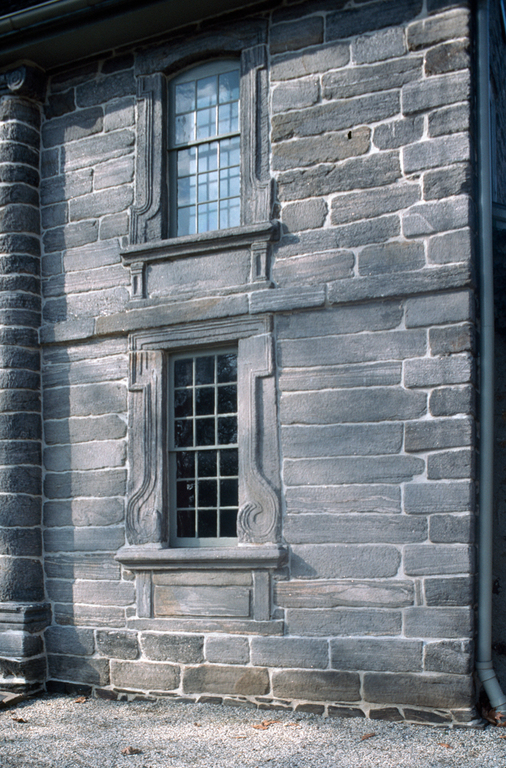
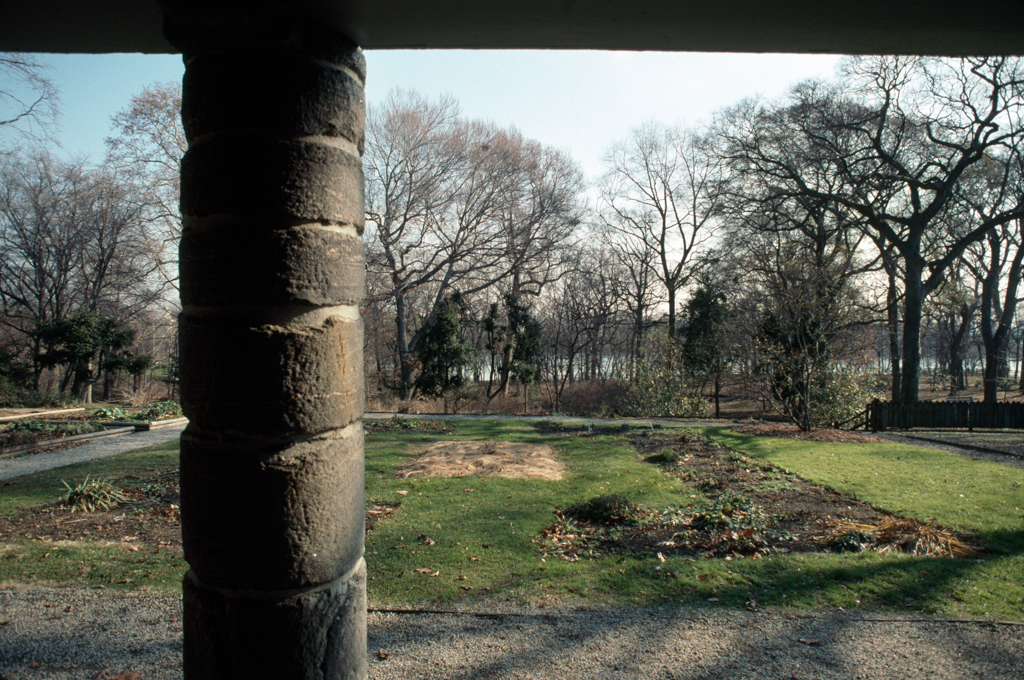
PH149), but requiring a complicated drive through West Philadelphia, is horticulturalist John Bartram's great stone house and gardens. Called by botanist Carl Linnaeus the greatest “natural botanist in the world,” Bartram made his farm the repository of specimens gathered from around the American colonies, and other prize discoveries were planted in the arboretum that Andrew Hamilton created around his adjoining mansion. Bartram's house had its beginnings in a late-seventeenth-century Swedish cottage to which John and his wife added a kitchen and chamber above. Circa 1770, Bartram transformed the house into a remarkable provincial version of Georgian design that offers a powerful nativist contrast to the Anglo sophistication of Hamilton's highstyle house. The main front is of finely worked stone with a recessed central portico that is framed by robust Ionic columns, derived from Palladian prototypes. A later plank infill reduces the void to one story. Crudely worked Baroque surrounds frame the windows of the main facade and further attest to his ambition. Bartram was expelled from the Darby Friends Meeting over his failure to accept the divinity of Christ, perhaps accounting for the contentious inscription on the second story: “It is God Alone Almyty Lord/The Holy One by Me Adord / John Bartram 1770.” Since the 1920s the house has been restored and preserved by the John Bartram Association.
John Bartram House
1730, 1770–1771, John Bartram. S. 54th St. and Lindbergh Blvd.