Woodlands Mansion and Cemetery

Woodlands Mansion and Cemetery

Woodlands Mansion and Cemetery Richard W. Longstreth

Woodlands Mansion and Cemetery

Woodlands Mansion and Cemetery Woodlands Mansion and Cemetery Woodlands Mansion and Cemetery Woodlands Mansion and Cemetery Woodlands Mansion and Cemetery Woodlands Mansion and Cemetery Woodlands Mansion and Cemetery
c. 1742; 1787–1790; 1936 cemetery gate, Paul P. Cret. 4000 Woodland Ave.

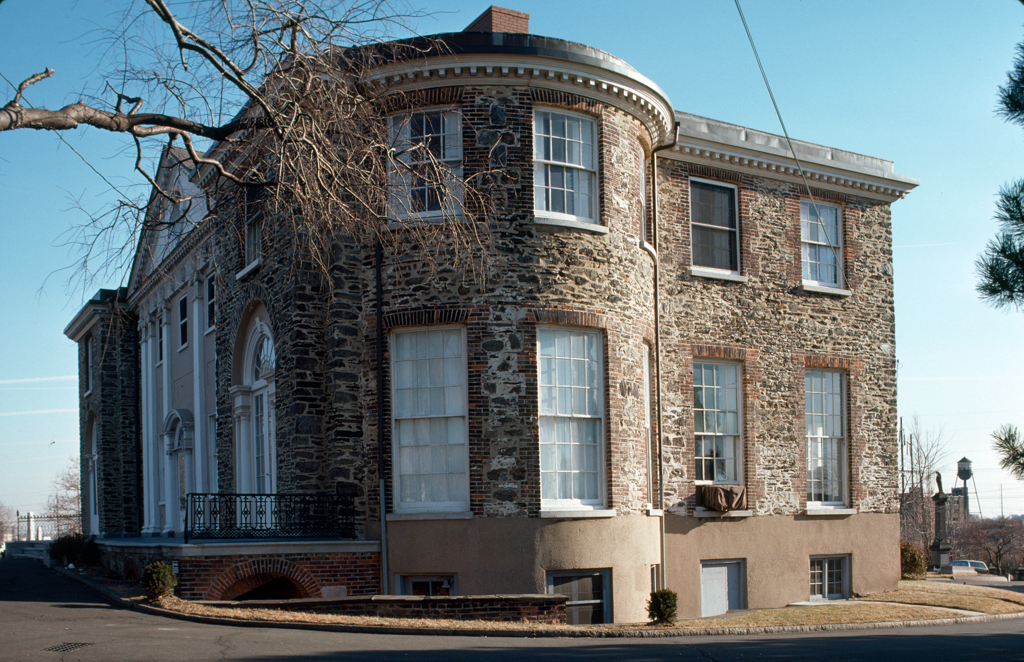
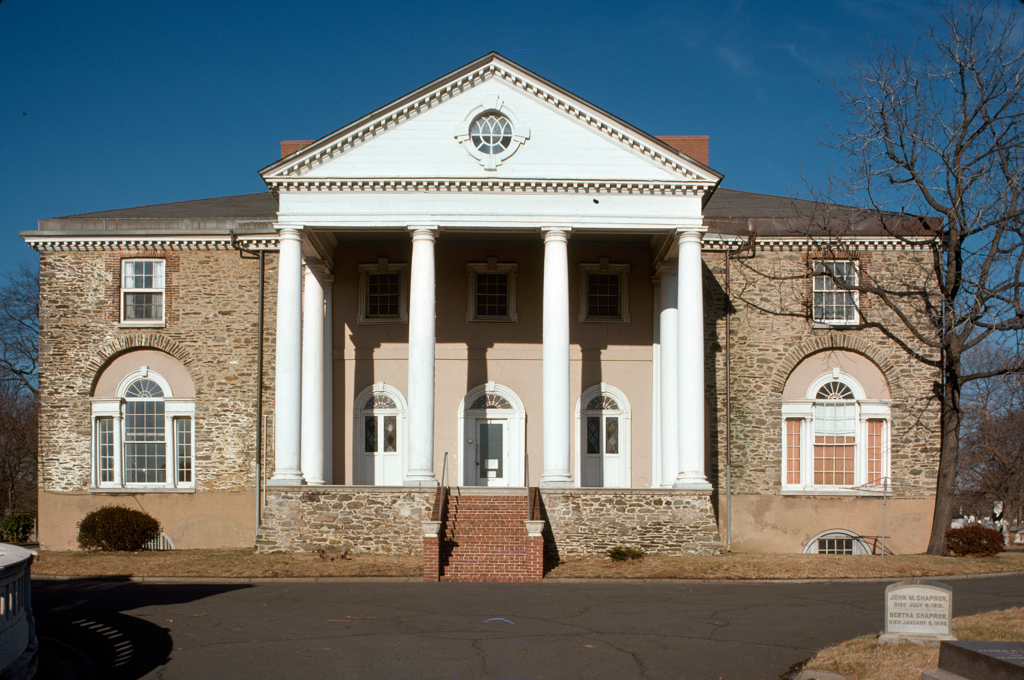
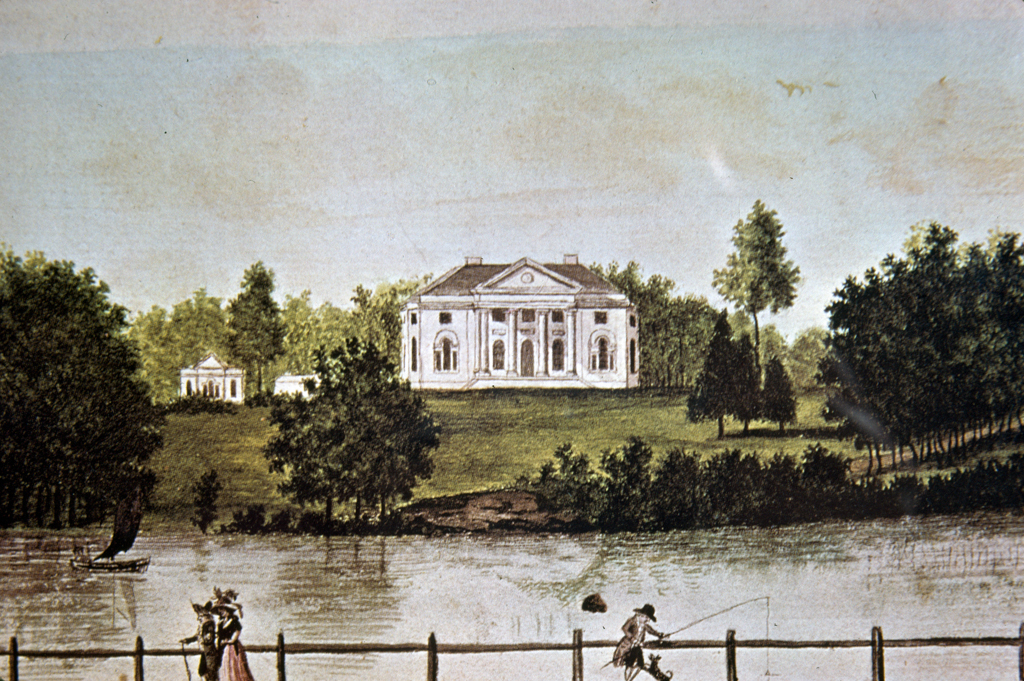
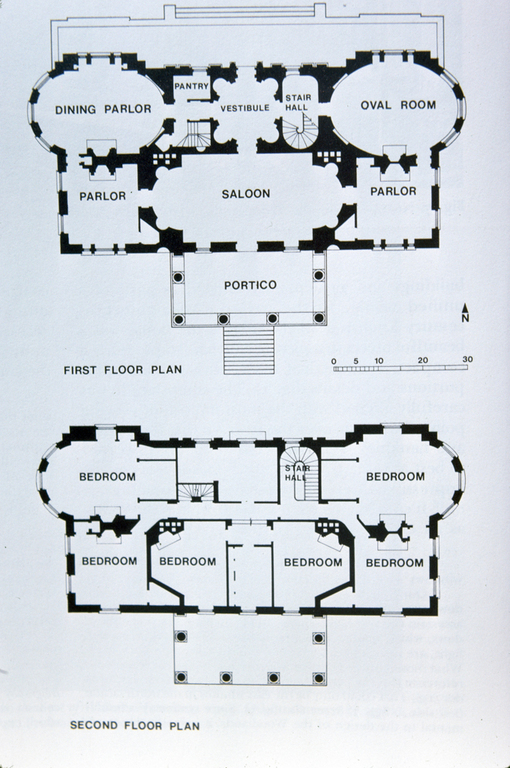
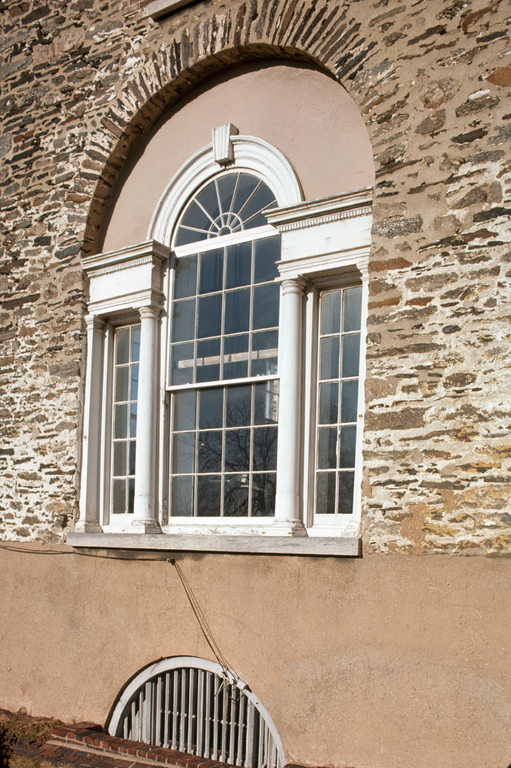
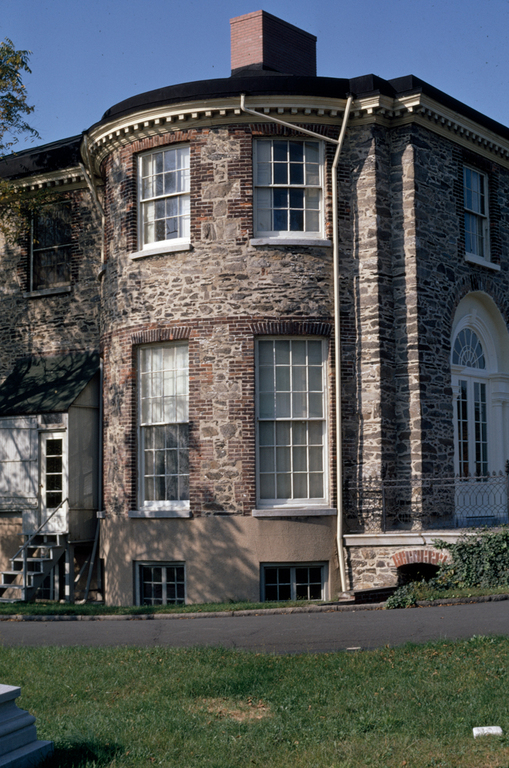
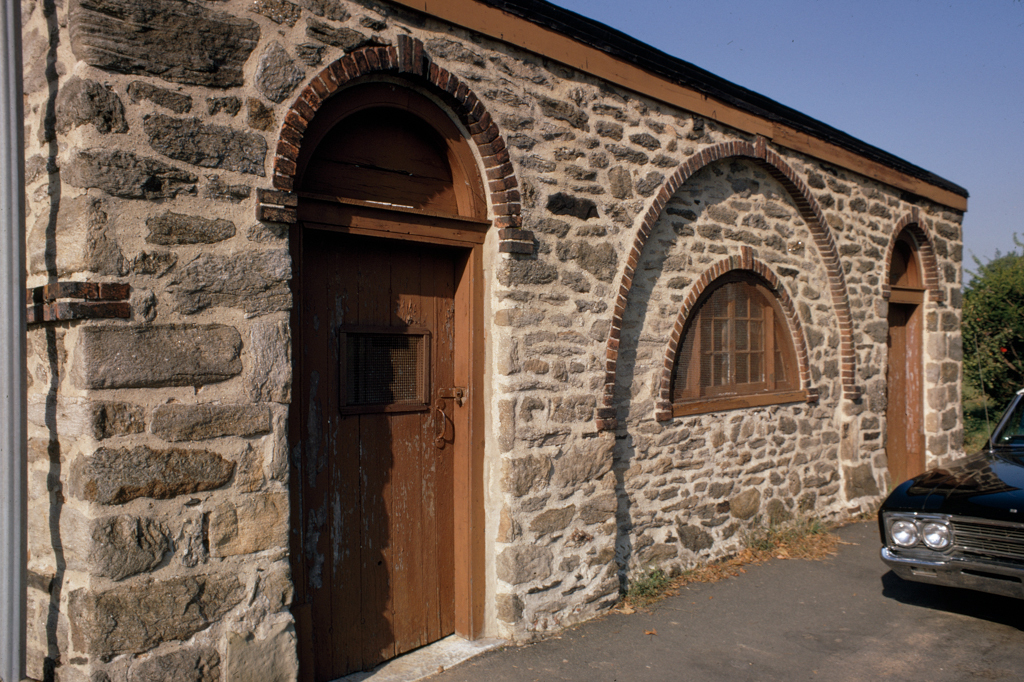
The eighteenth-century character of West Philadelphia is still evident at Woodlands, the estate of Andrew Hamilton, the lawyer whose spirited defense of Johan Peter Zenger in New York gave meaning to the phrase, “a Philadelphia lawyer.” When Hamilton's Tory son William returned to the United States from Britain after the Revolution, he brought with him plans for the renovation of the tiny summerhouse that overlooked the bend of the Schuylkill River. At the time, it offered the richest and most sophisticated planning in America: a spatial sequence of interlocking octagons, ovals, and squares that suggests the contemporary English work of Robert Adam and John Soane. The sculptural grandeur of the riverside portico and the sophistication of the opposite pilastered facade also recall Soane. It has lost the elegant stucco that once completely covered it, although in compensation one can view its underlying rubble masonry with brick arches above windows.

The estate was acquired by the Woodlands Cemetery Company in the 1840s and has preserved the house as the central offices. The cemetery has an outstanding array of nineteenth-century tombs and mausoleums, as well as a handsome classical gate at S. 40th Street and Woodland Avenue by Paul P. Cret, who lived across the street at 512 Woodland Terrace (1862, Samuel Sloan).

Writing Credits