

Before Starbucks, there was Kona coffee. The Uchida farm was one of many to operate in Kona during the early twentieth century. Rising coffee prices, coupled with the introduction of the ladybird beetle from Australia to combat white scale and the provisional government's opening of Crown Lands for leasing in 1894, led to the formation of several coffee plantations in Kona during the 1890s. With a decline in coffee prices, however, these plantations were broken into three-to five-acre parcels which were leased to Portuguese and Japanese farmers. As prices remained low, the Portuguese soon abandoned the coffee orchards, and by 1910 coffee farming was primarily a Japanese occupation.
Daisaku Uchida commenced coffee farming on this parcel in 1913, seven years after arriving in Hawaii at the age of nineteen. After fulfilling a three-year-contract obligation with the Lihue Sugar Plantation of Kauai, Uchida moved to Kona, where he held several jobs, married Shima Maruo in 1912, and in 1913 leased this already existing farm from Greenwell Ranch. The decade of the Roaring Twenties was a prosperous time for coffee farmers, and in 1925, Uchida expanded his farm to approximately twelve acres and hired Utakichi Okimoro to build the present house.
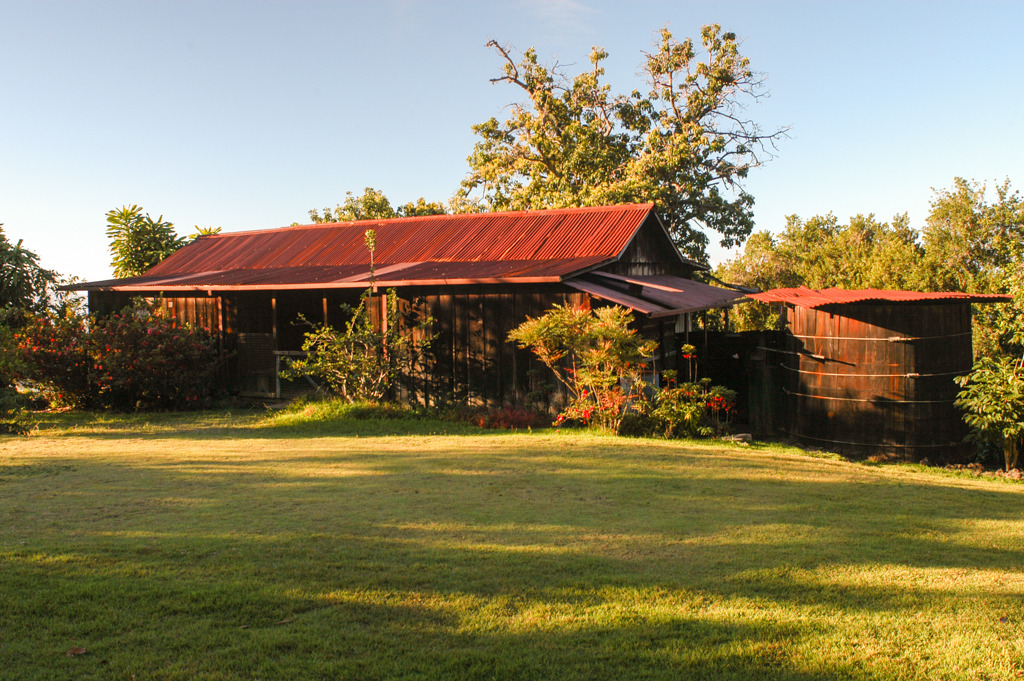
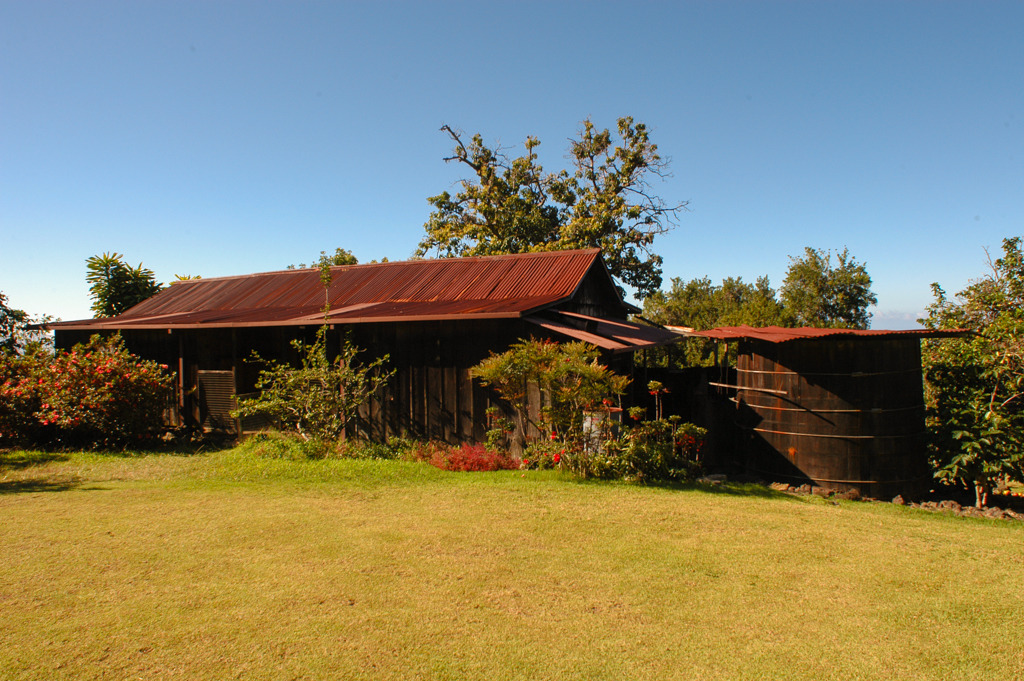
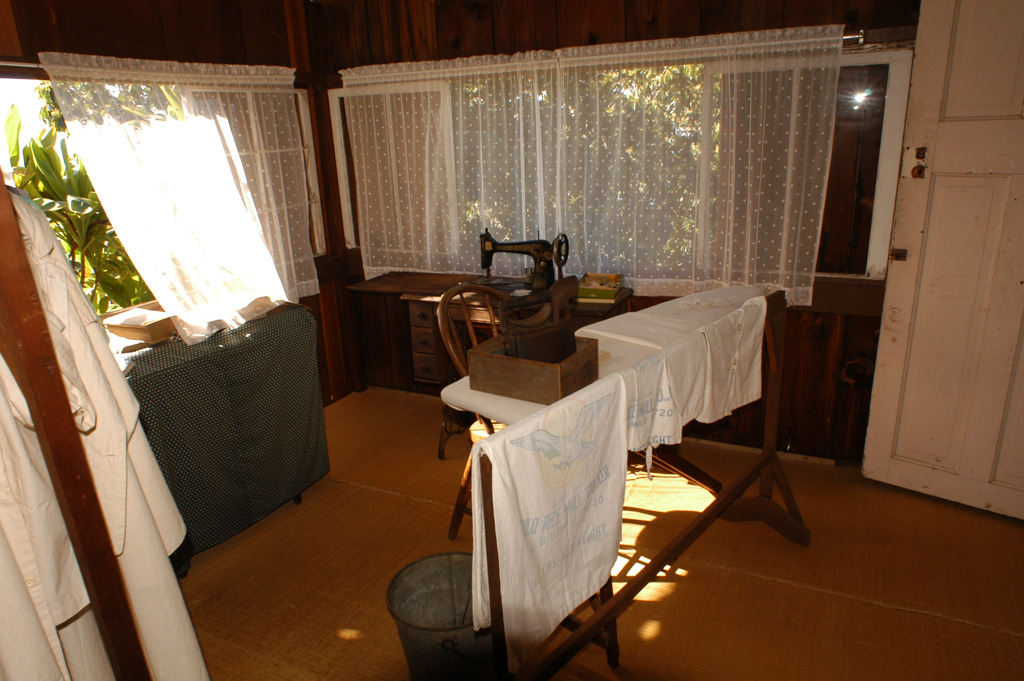
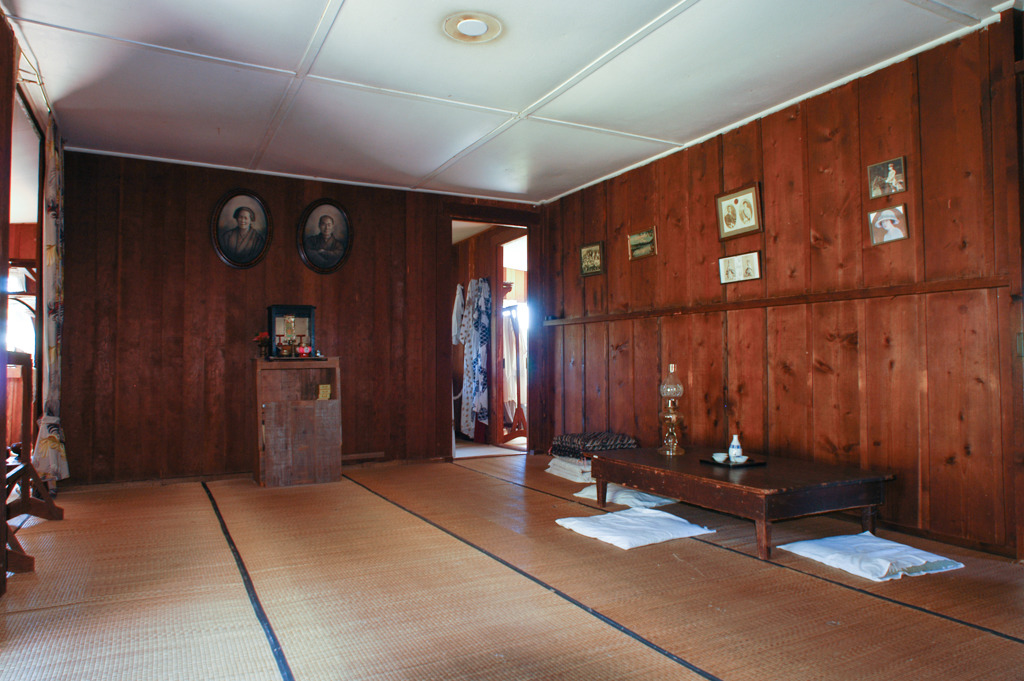
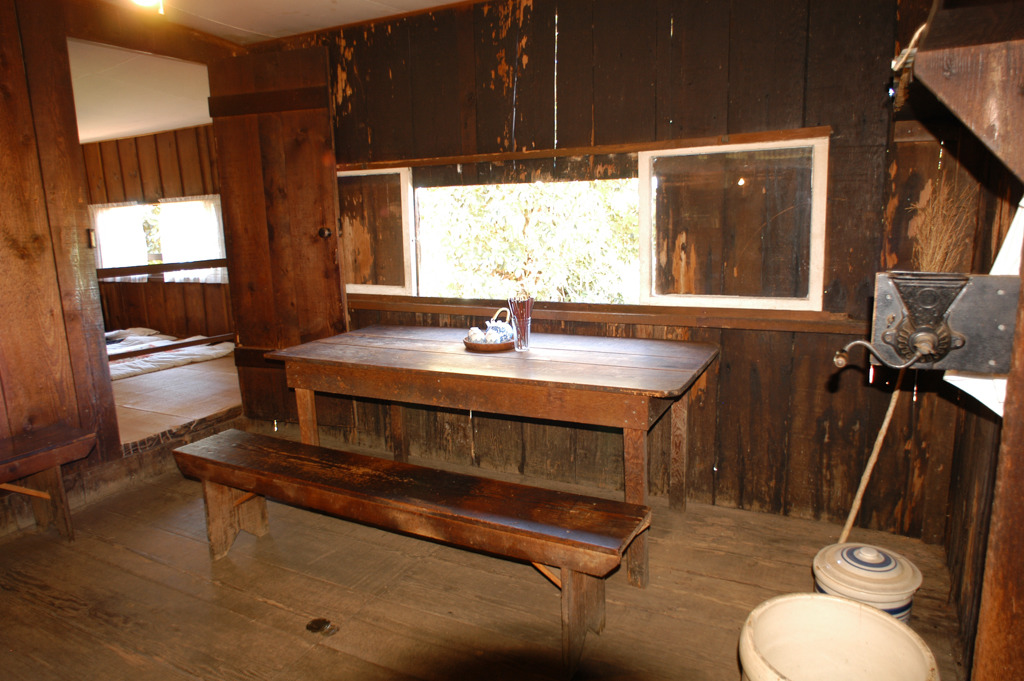
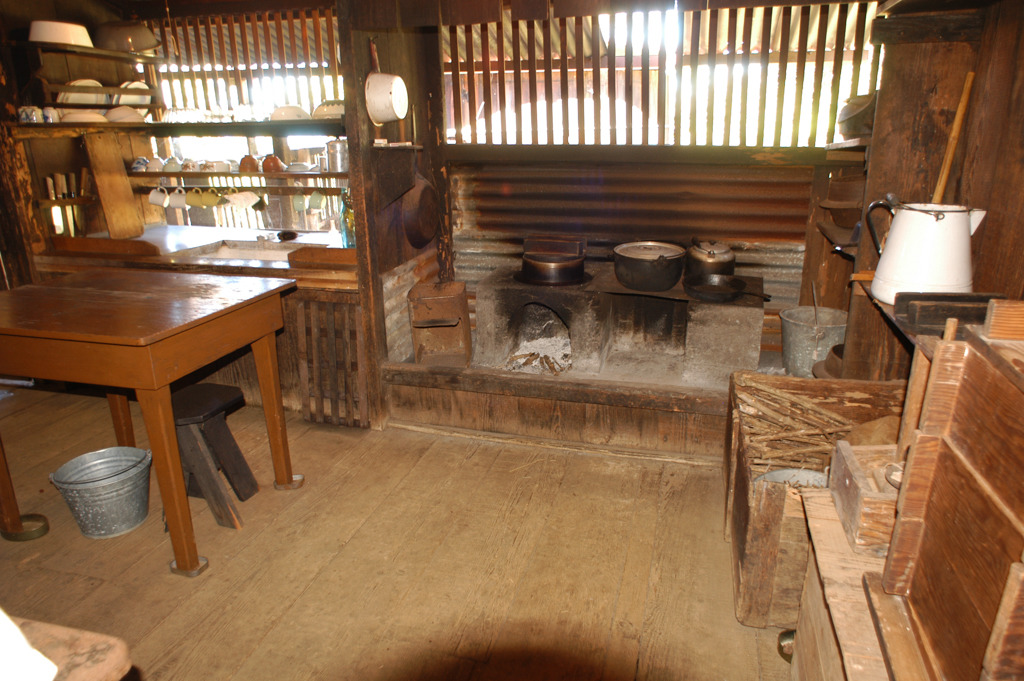
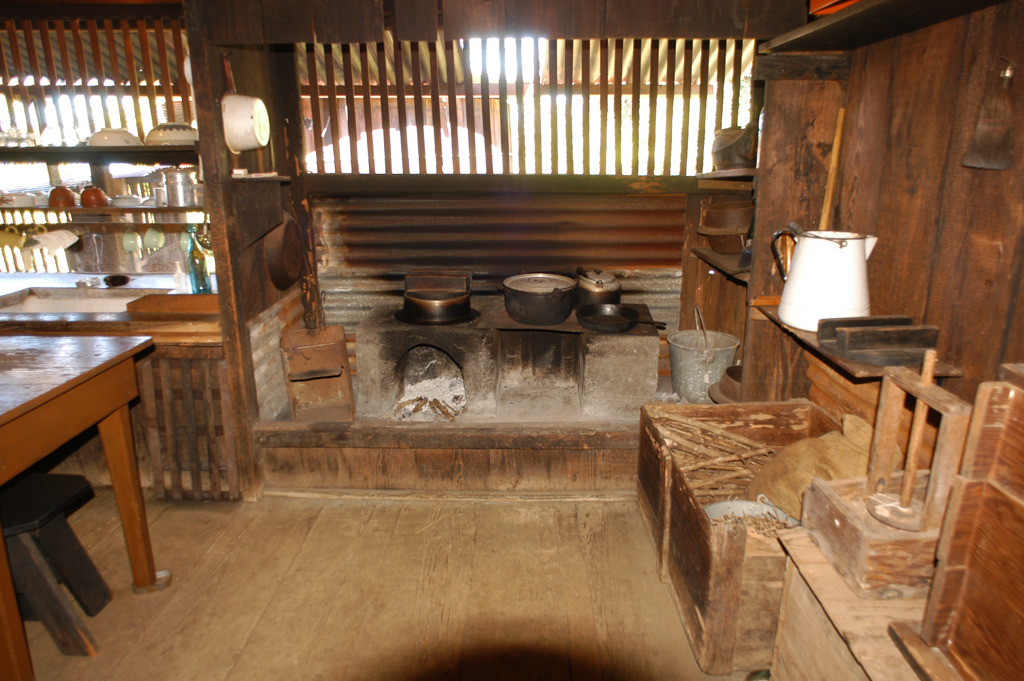
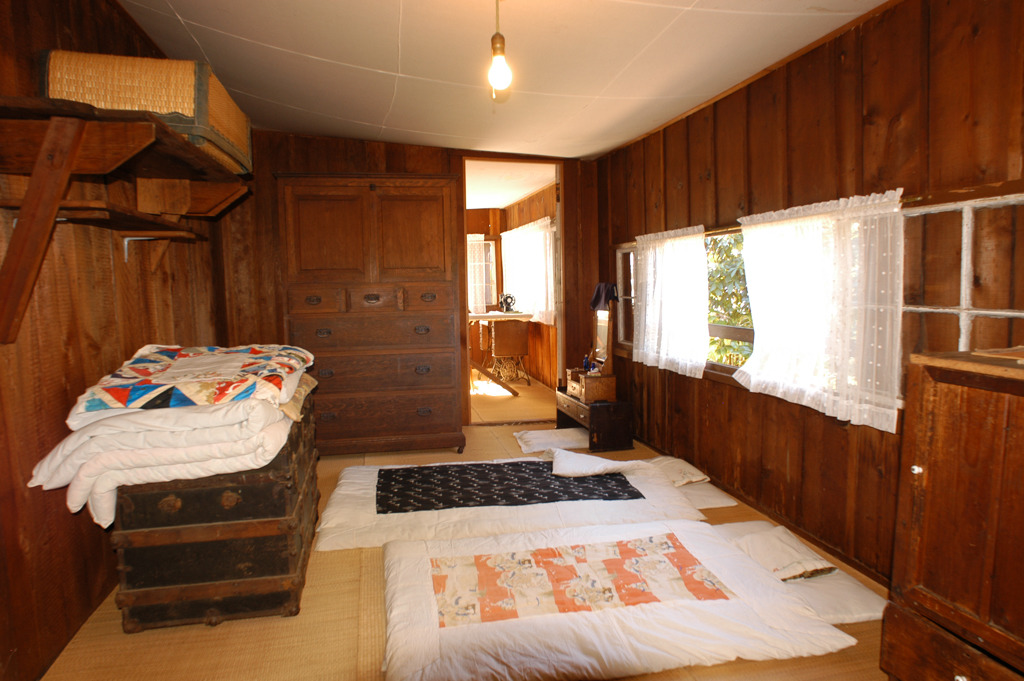
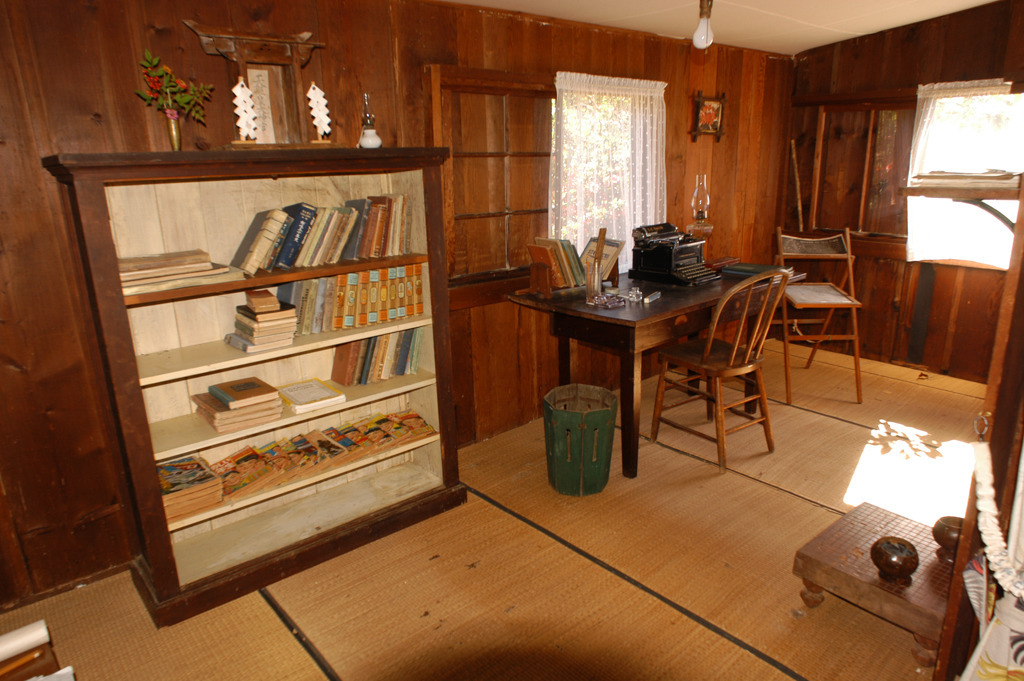
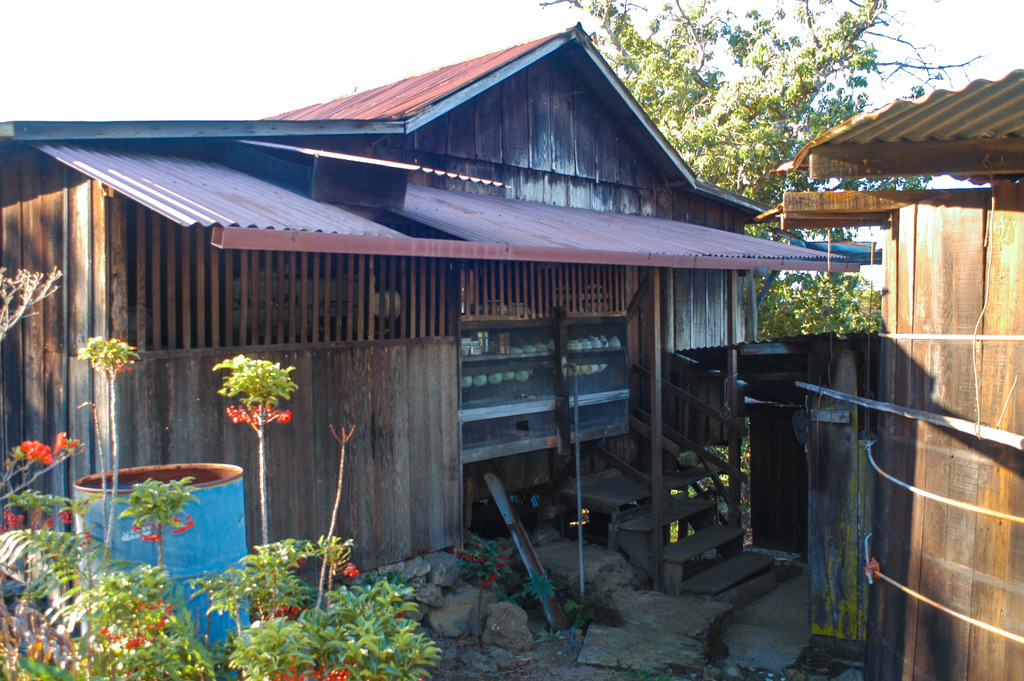
The single-story dwelling, with its corrugated-metal hipped roof, board-and-batten, single-wall construction, and wood-plank flooring, utilizes forms and materials typical of Hawaii's vernacular architecture of the period. Originally the entrance was from the side door leading into a genkan (entrance vestibule). The geta bako (shoe cabinet), where people placed their shoes upon entering the house, remains, having been incorporated into the kitchen. The conspicuous absence of closets relates to a Japanese preference for portable chests of drawers and wardrobes for storage. A furo (Japanese hot-bathing tub) located behind the house dates from the mid-1950s and was erected when the original furo was converted into a laundry/washroom.
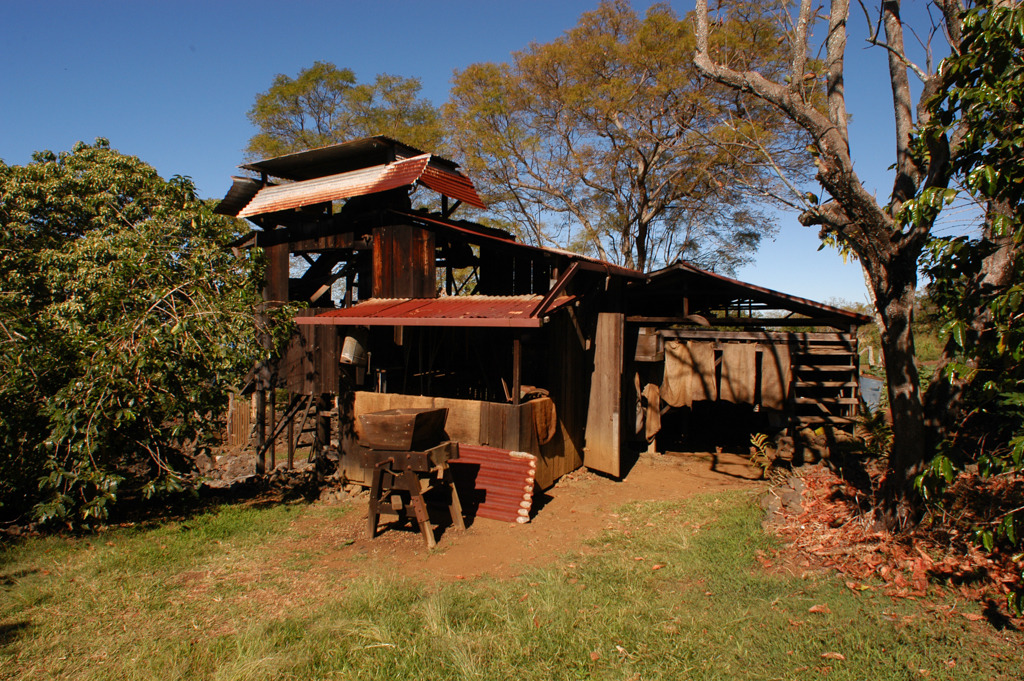
The farm's kuridana and hoshidana, built by Kakume Nakashima in 1926, were other products of the 1920s boom period. The kuridana (cherry-processing mill) still retains its original machinery, which utilized gravity in its operation. The hoshidana is a 1920s Kona invention. Coffee beans were spread on this raised platform to dry, and its moveable, corrugated-metal roof would cover the beans when showers threatened. The kuridana and hoshidana have not been used for more than forty years, as the milling of coffee by individual farmers ceased during the 1950s–1960s with the rise of coffee cooperatives. The Uchida family occupied this farm until 1994. In 1999, the property was acquired by the Kona Historical Society. It is now a museum.