

A native of Philadelphia, Wharton Esherick attended the Philadelphia Museum School (now the University of the Arts; PH60) and shifted to the Pennsylvania Academy of the Fine Arts (
PH52) (before its summer program began at nearby Yellow Springs; CH33) with the intention of a career in painting. In 1913, stimulated by reading Henry David Thoreau's Walden and in an effort to reject the corporate world of Philadelphia industry, Esherick purchased an abandoned house on the edge of a quarry as a workplace and home. A teaching job at the Single-Tax enclave of Fairhope, Alabama, led to connections with the local Arts and Crafts community at Rose Valley (
DE26), where he encountered Jasper Deeter, director of Rose Valley's Hedgerow Theater (
DE26.2). That experience stimulated Esherick to turn
BU21). It is doubtless that Howe was the bridge to Louis Kahn, whose commitment to the humanist values of architecture attracted Esherick to commission him for an addition even as his niece was commissioning a house by Kahn in Chestnut Hill (
PH189).
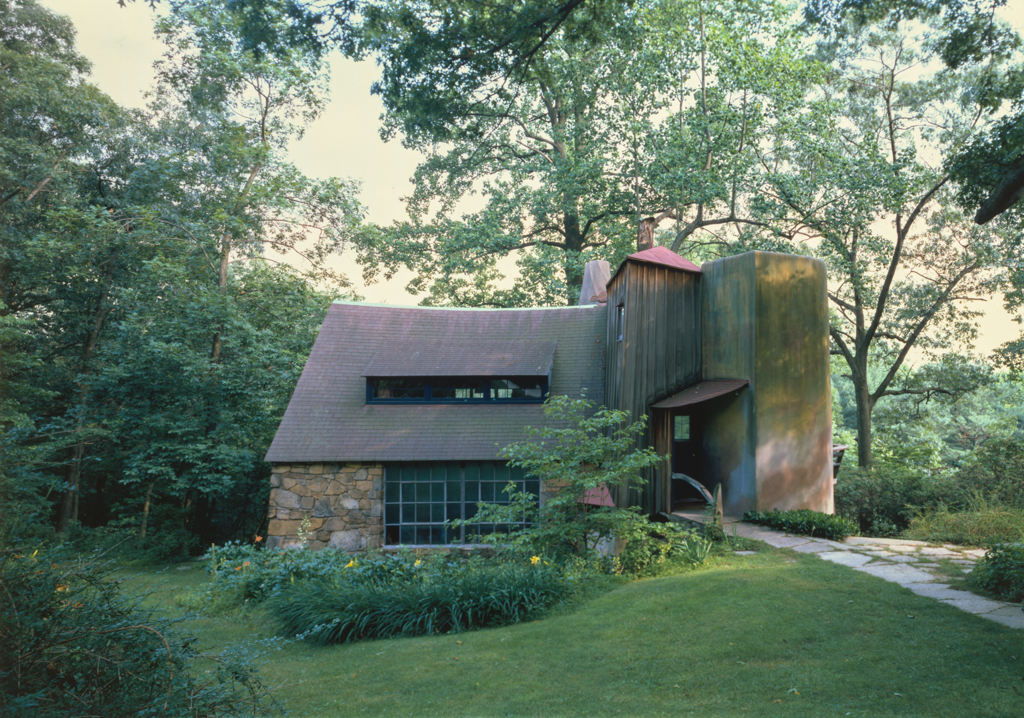
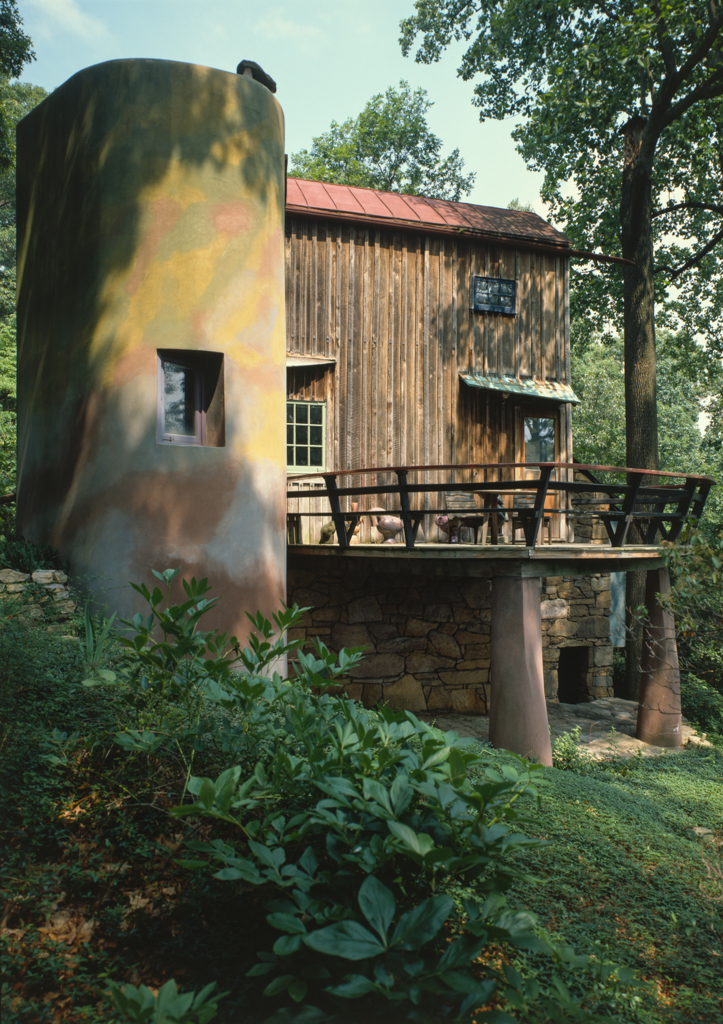
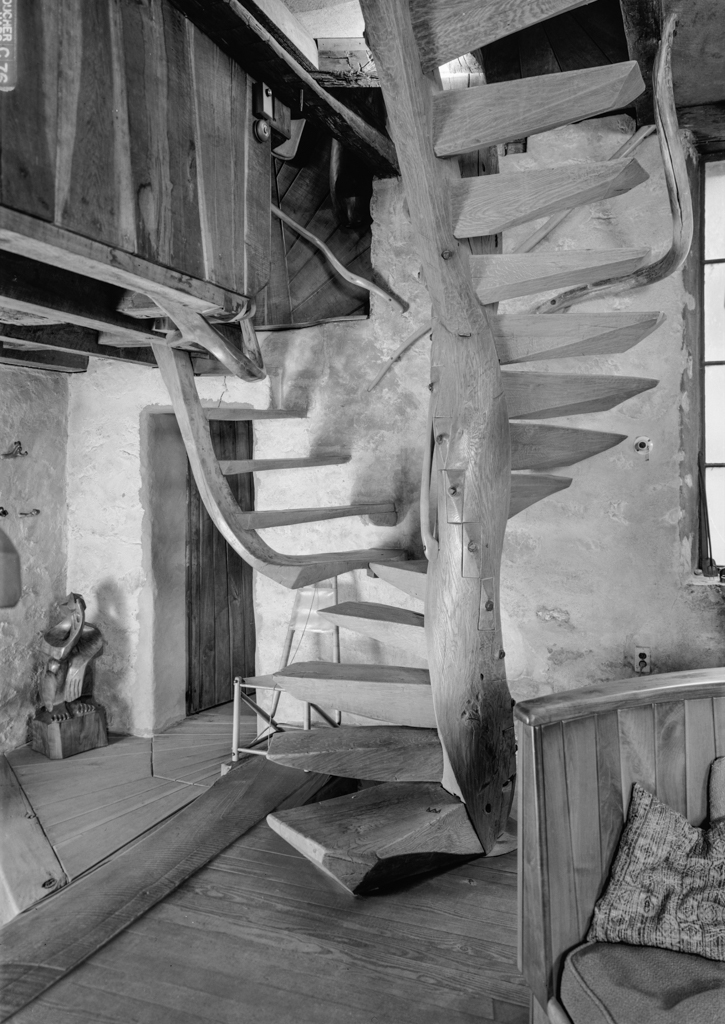
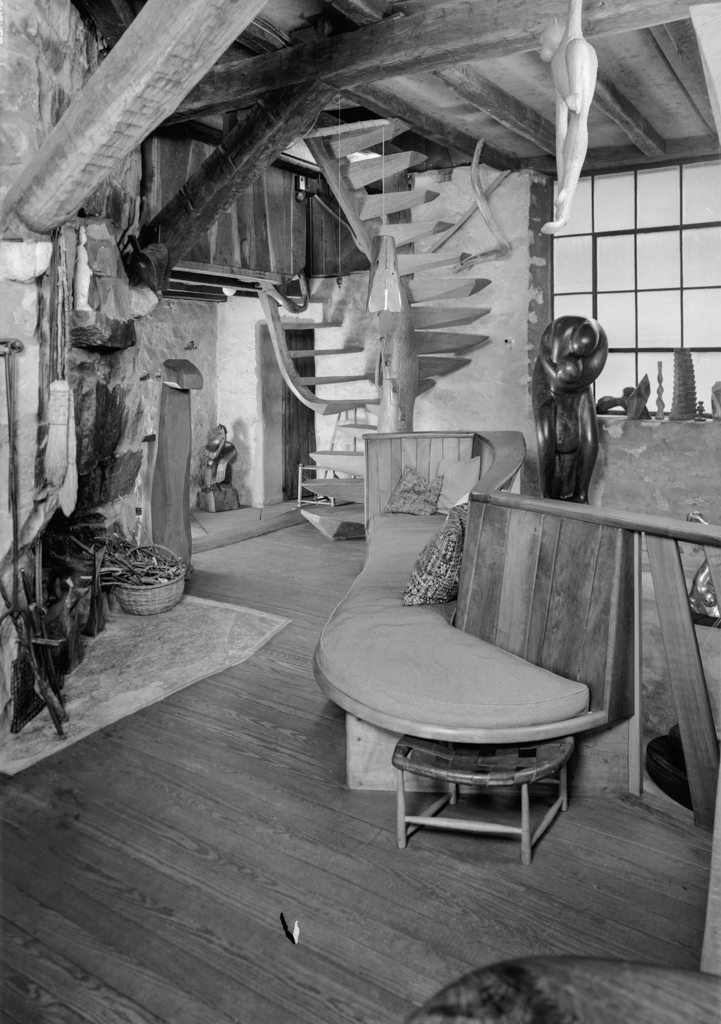
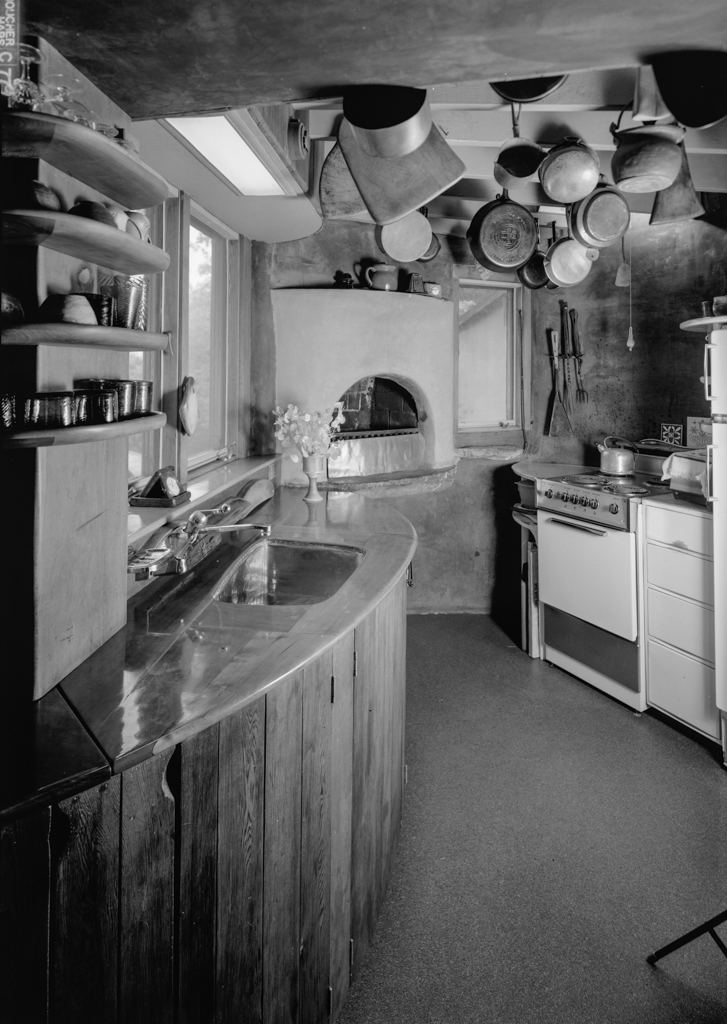
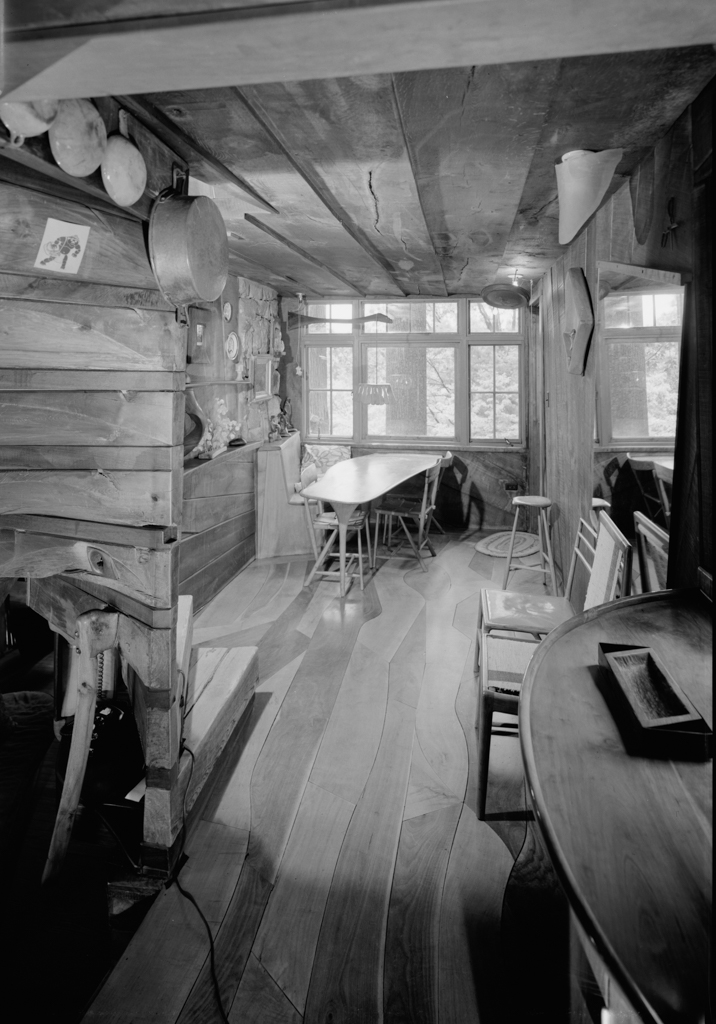
Wharton Esherick House and Studio
1926 and later, Wharton Esherick; 1955–1956, Louis I. Kahn. 1520 Horseshoe Trail, 5 miles south of Phoenixville