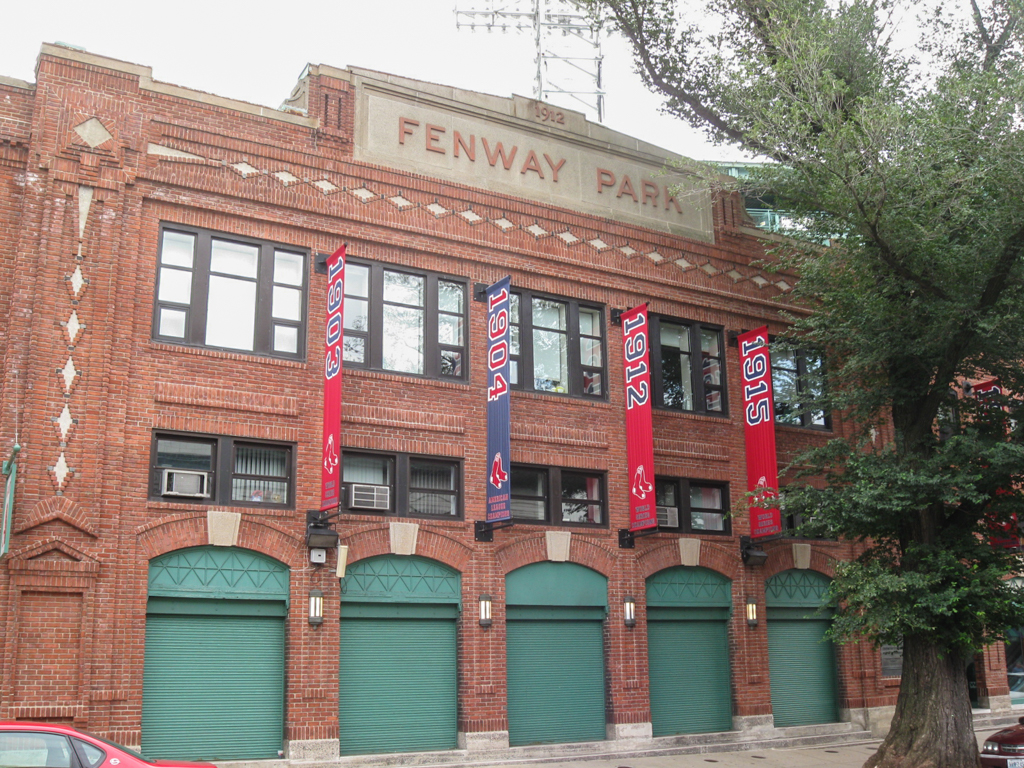
Fenway Park

Fenway Park

Fenway Park Peter Vanderwarker or Antonina Smith

Fenway Park

Photo 2 of Fenway Park Photo 3 of Fenway Park Photo 4 of Fenway Park Photo 5 of Fenway Park Photo 6 of Fenway Park Photo 7 of Fenway Park Photo 8 of Fenway Park Photo 9 of Fenway Park Photo 10 of Fenway Park Photo 11 of Fenway Park Photo 12 of Fenway Park Photo 13 of Fenway Park Photo 14 of Fenway Park Photo 15 of Fenway Park Photo 16 of Fenway Park Photo 17 of Fenway Park Photo 18 of Fenway Park Photo 19 of Fenway Park Photo 20 of Fenway Park Photo 21 of Fenway Park
1912, John McLaughlin, Osborn Engineering Co. 1933–1934, Osborn Engineering Co., 1982–1983; 1988; 2002–, Janet Marie Smith. 4 Yawkey Way.

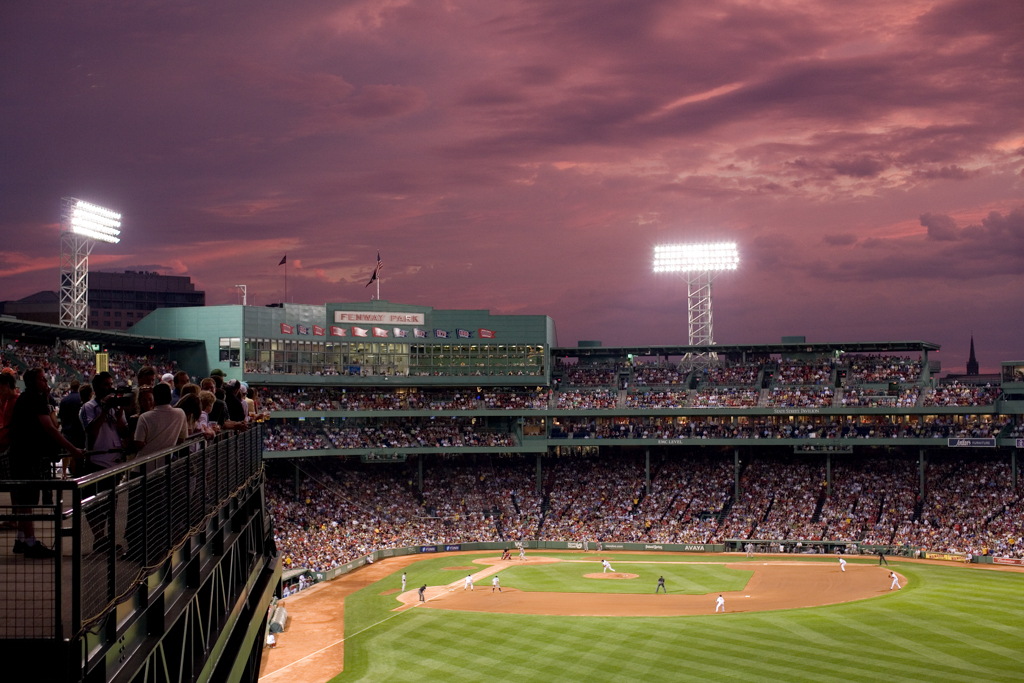
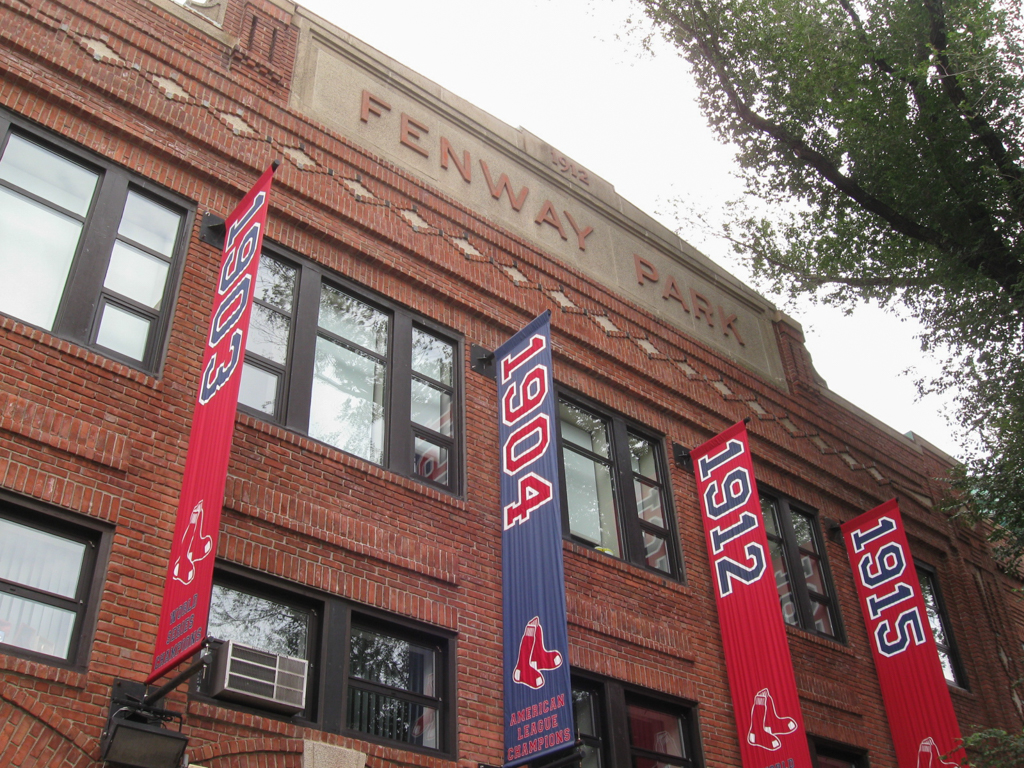
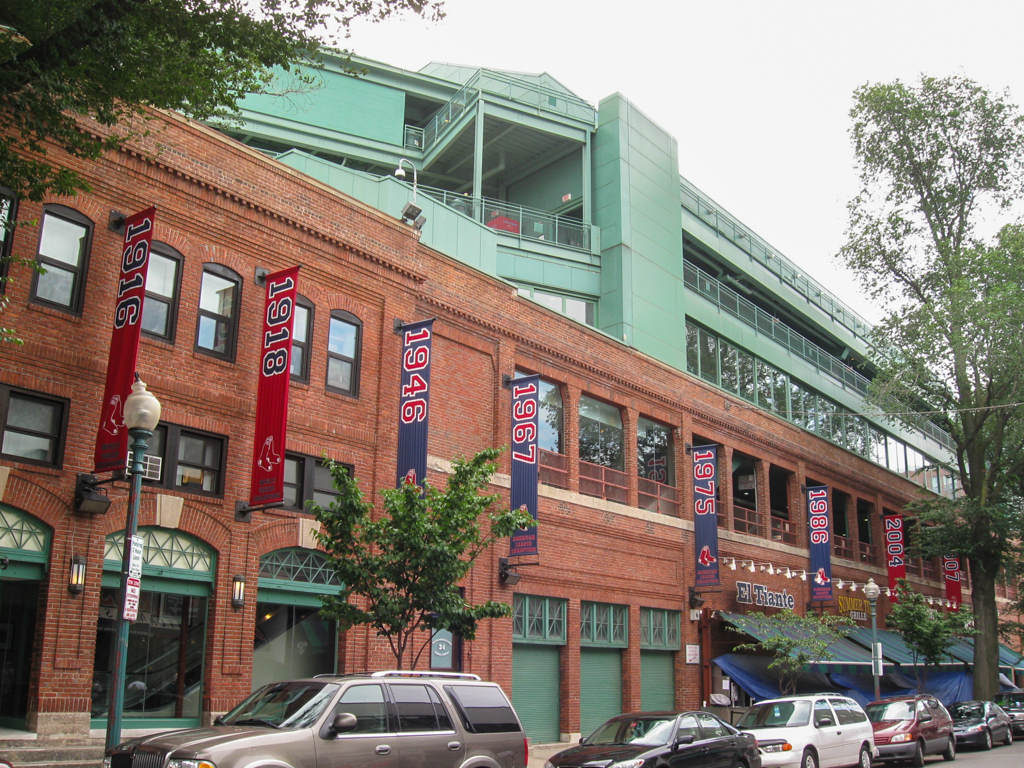
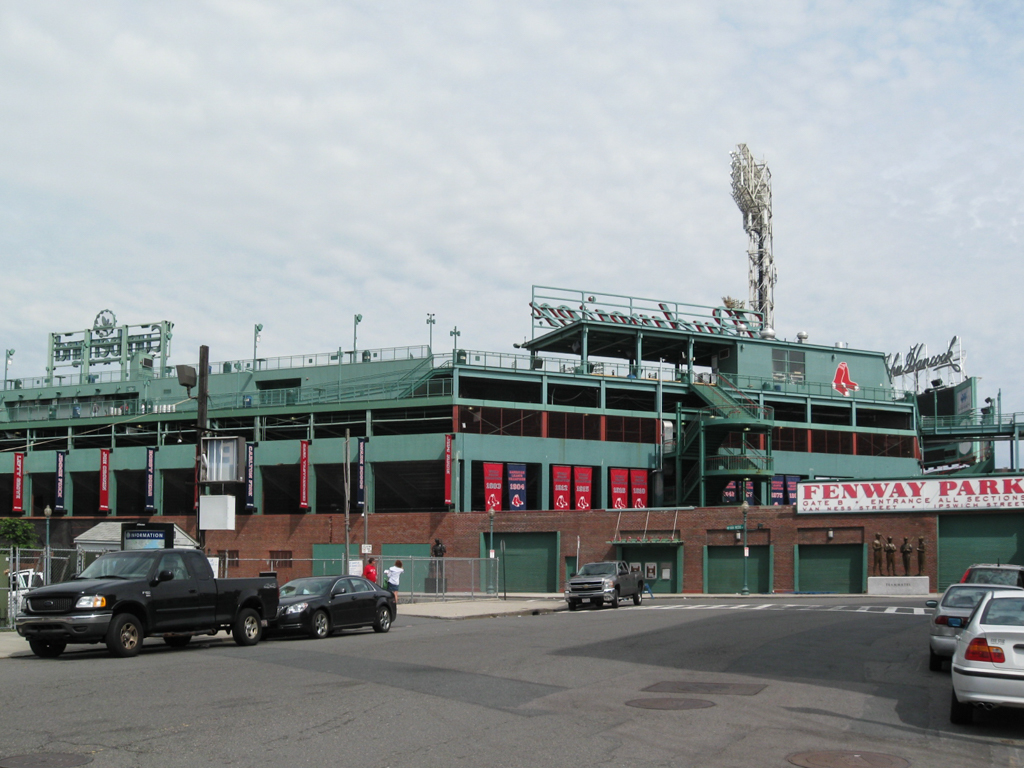
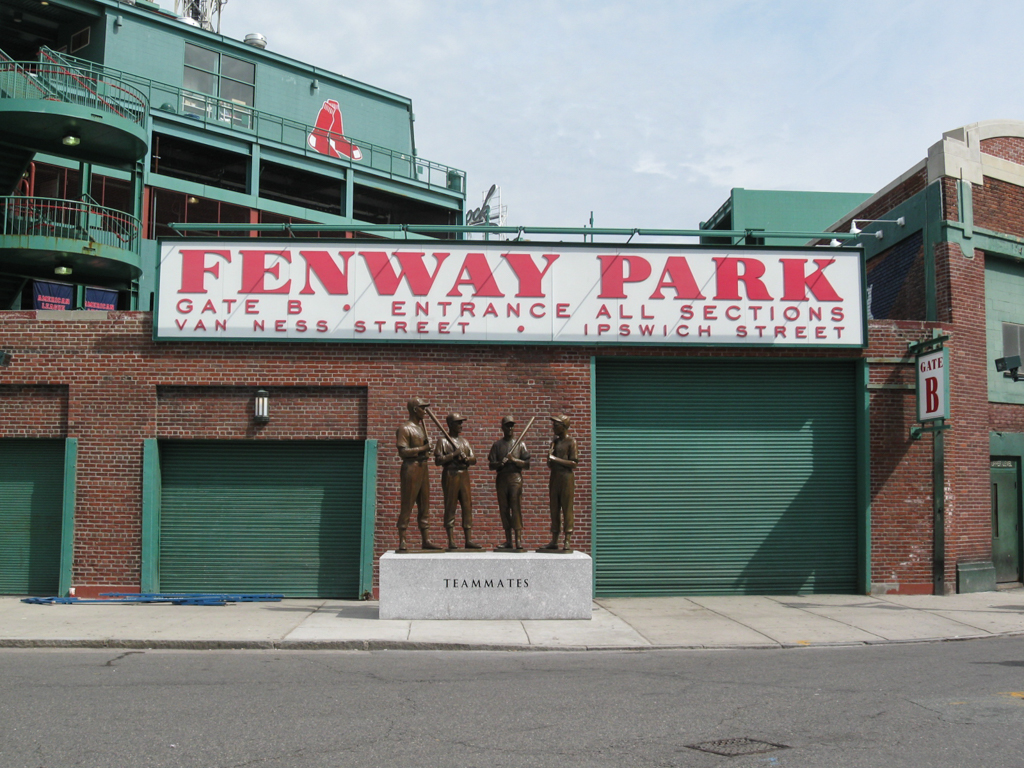
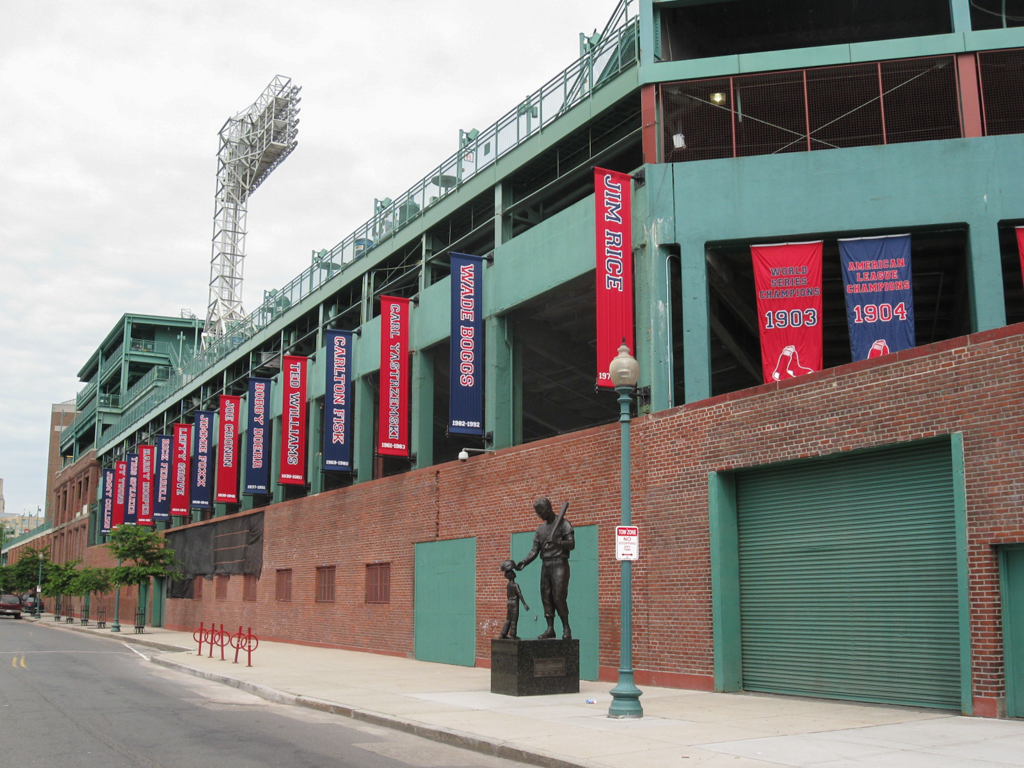
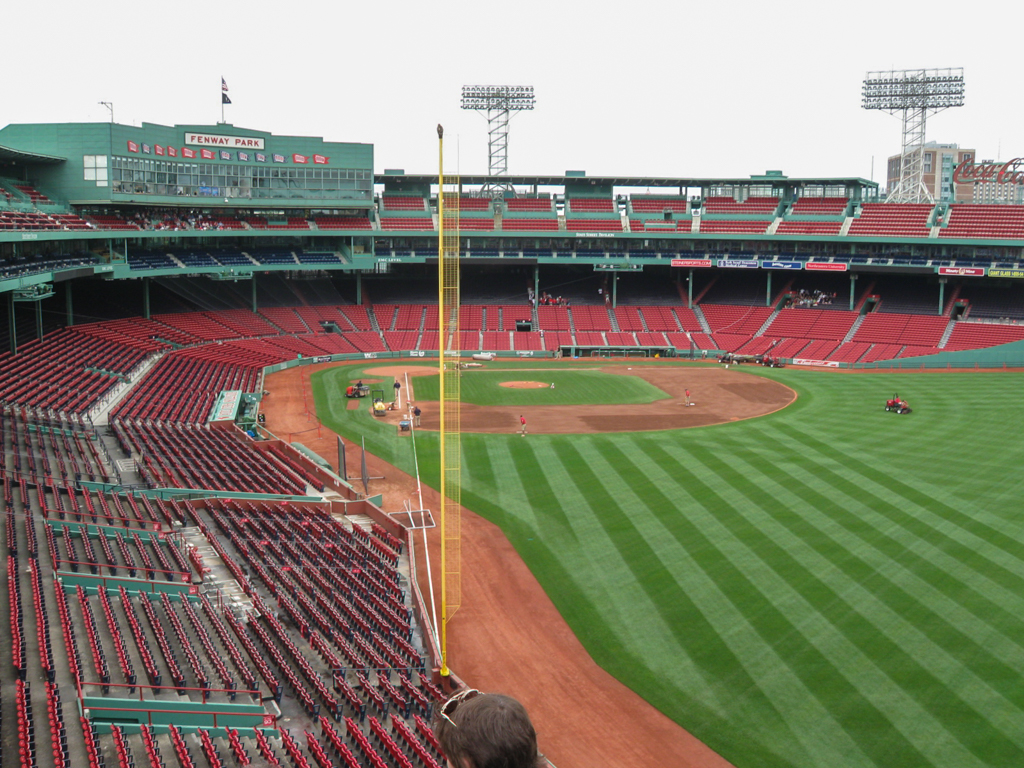
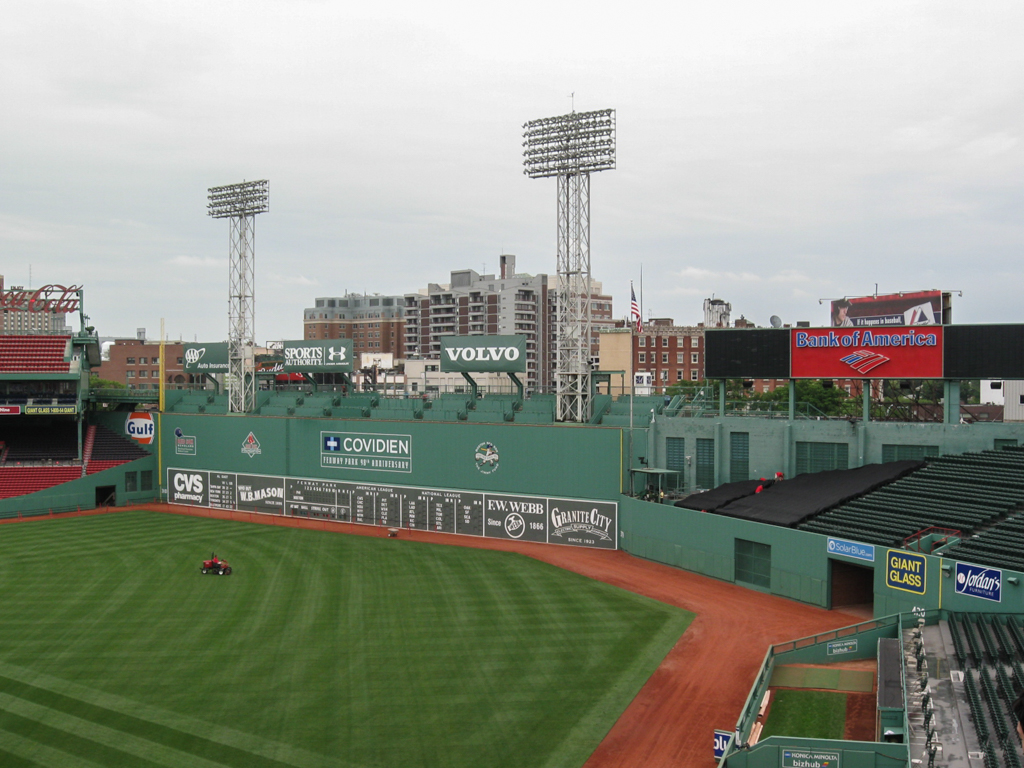
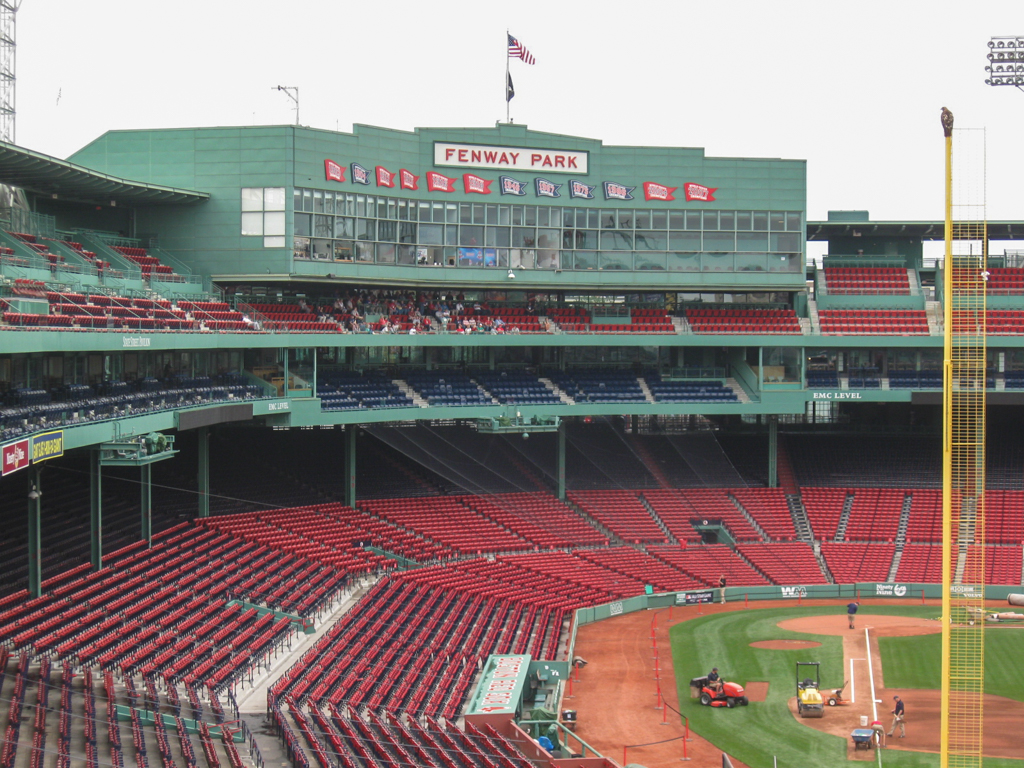
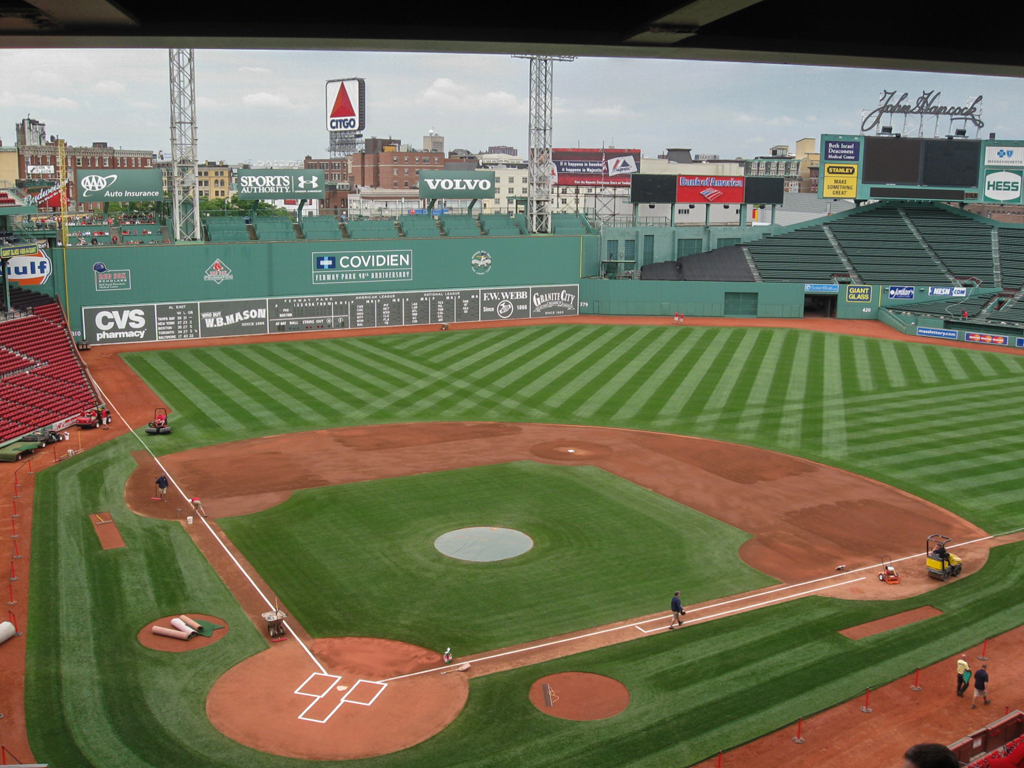
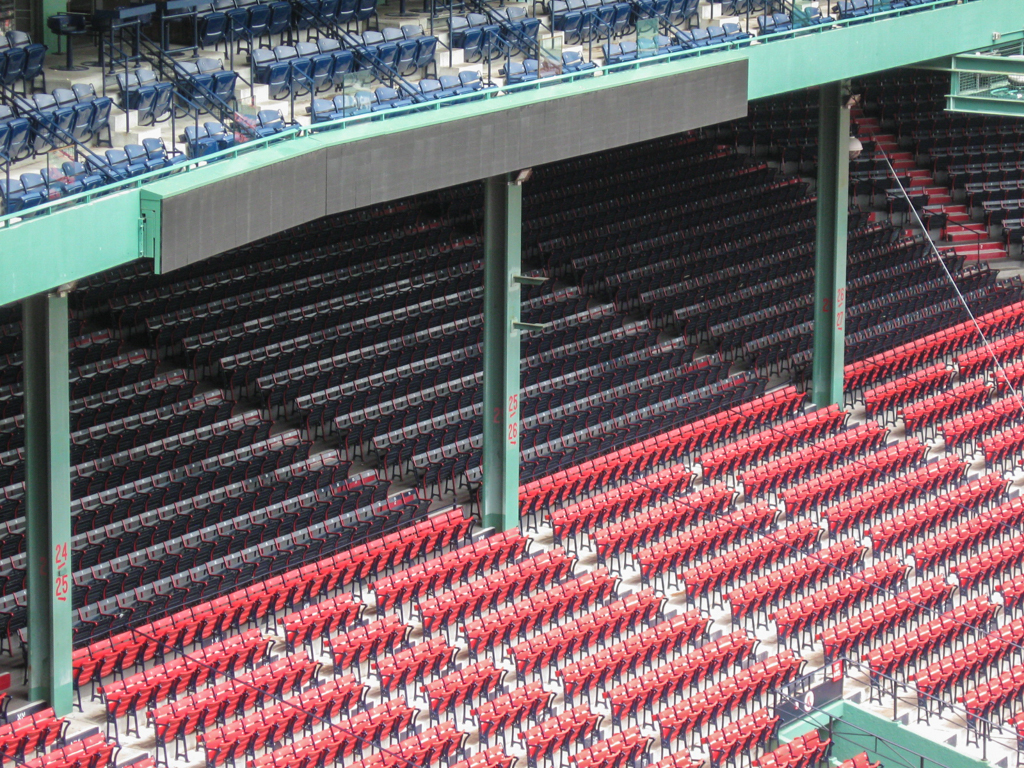
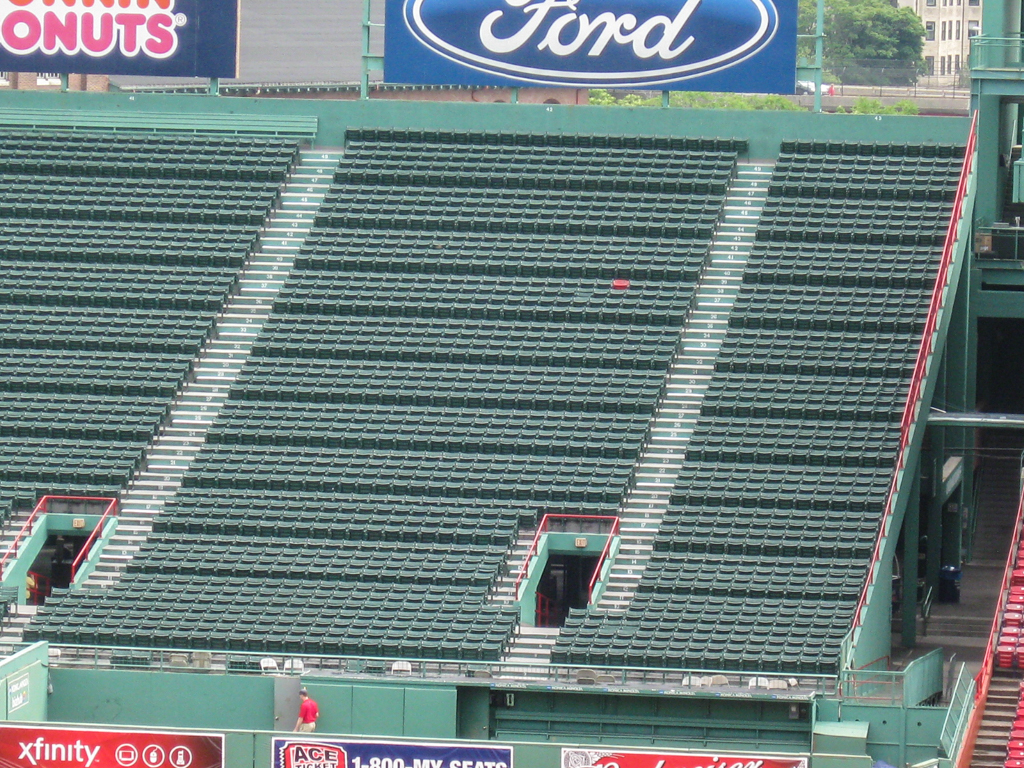
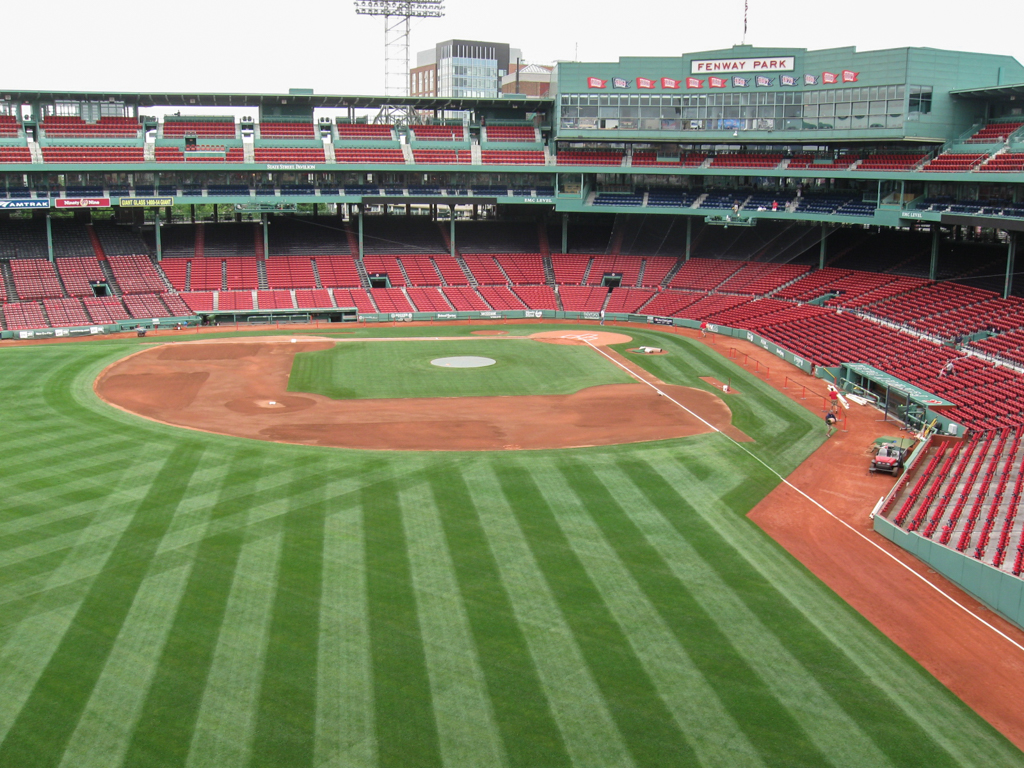
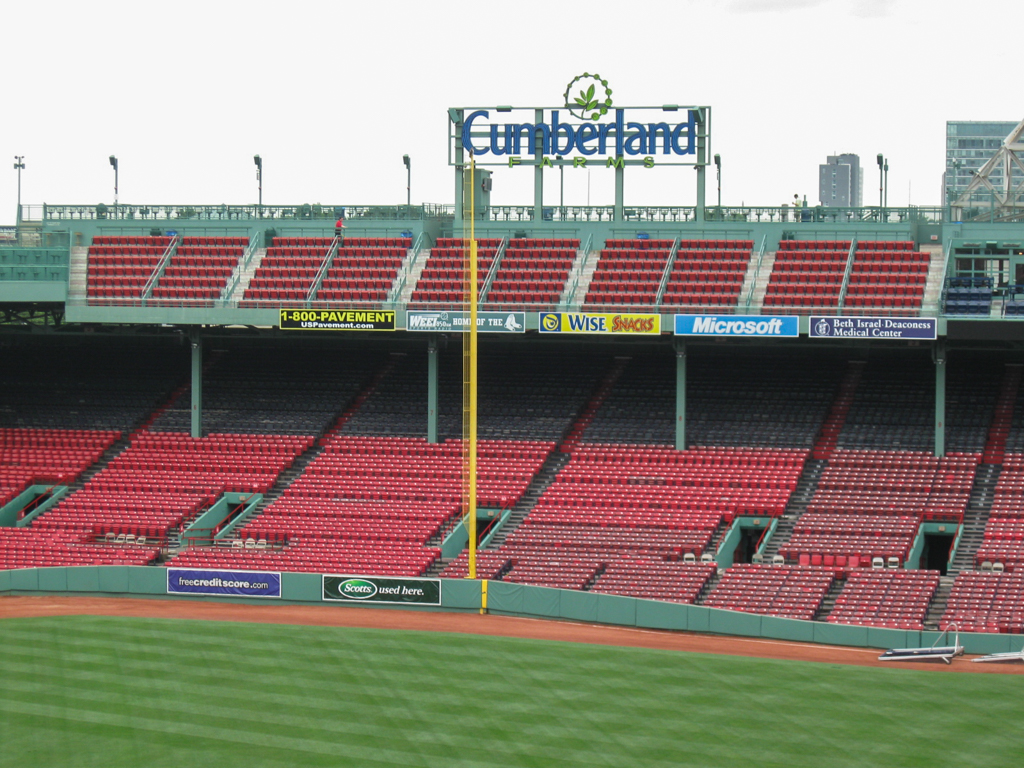
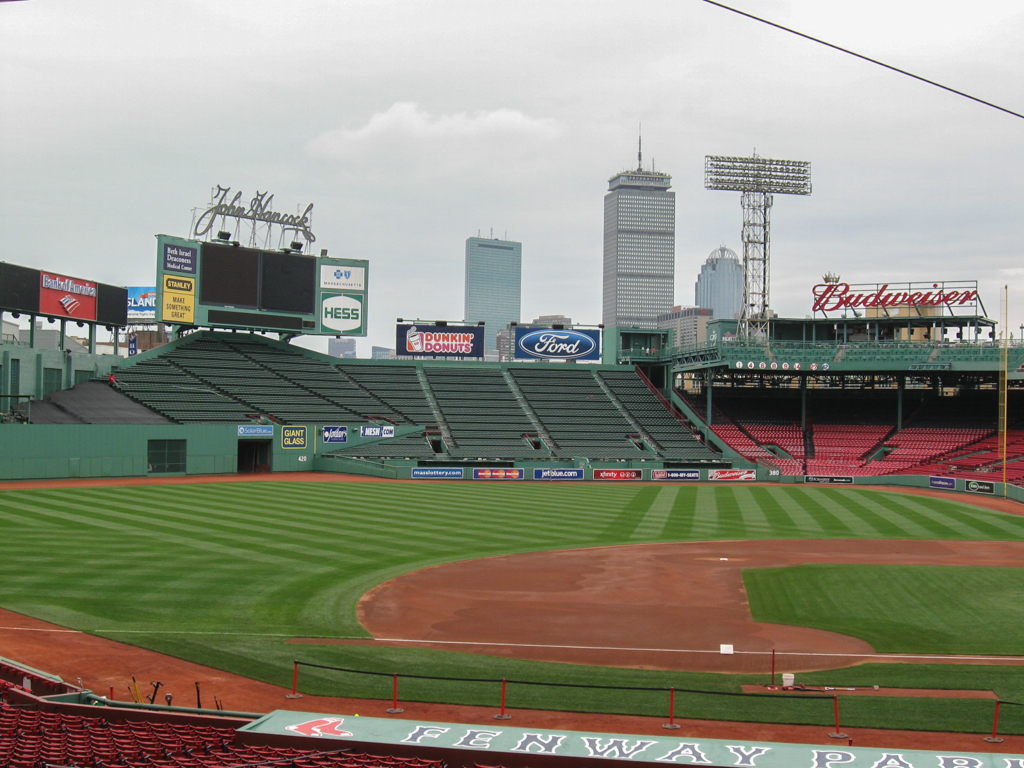
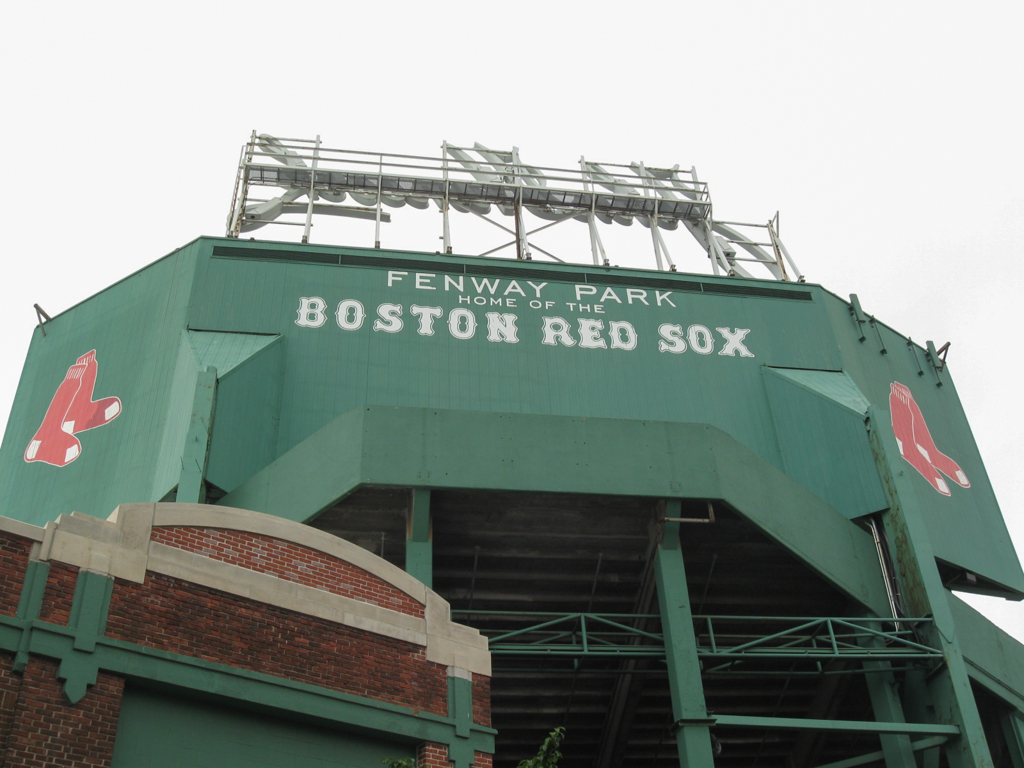
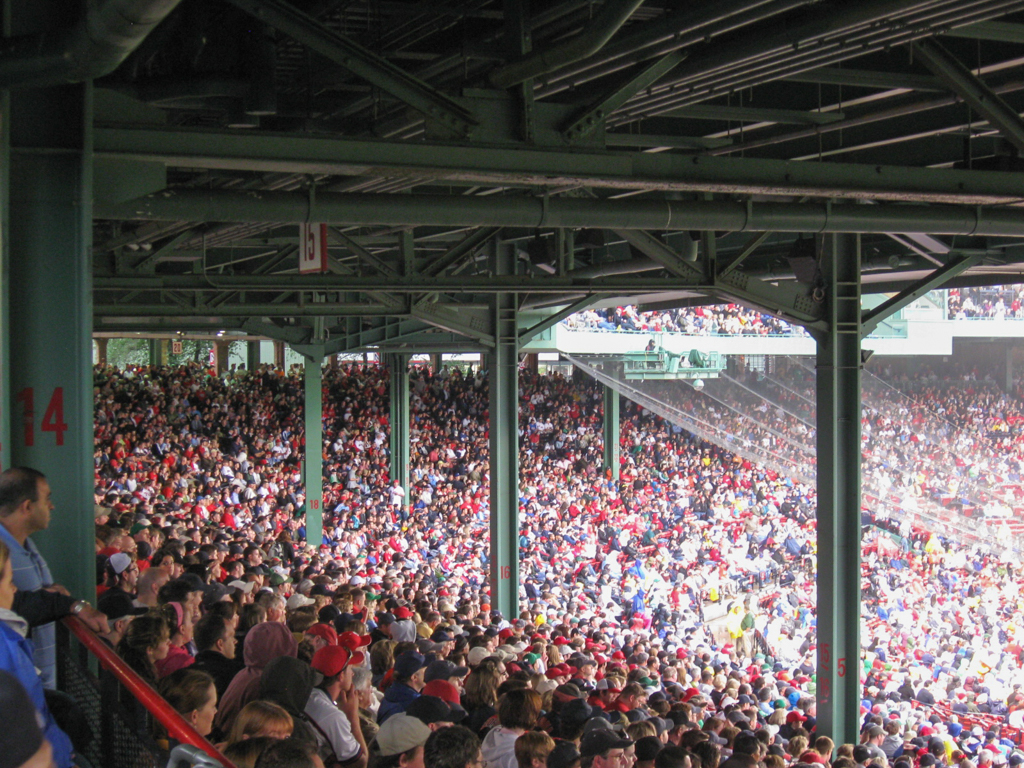
The oldest and smallest baseball stadium in the major leagues, Fenway Park pulses with the heartbeat of the city. The Red Sox opened their first season here by winning the World Series, until recently a rare feat in the history of Boston professional baseball. Osborn Engineering Co. established their reputation as designers of sports facilities at Fenway, later adding Yankee Stadium in New York (to be replaced in 2009) and Lakefront Stadium in Cleveland (replaced by Jacobs Field in 1994). With a seating capacity of fewer than 34,000, Fenway Park was seen by its former owners as a financial liability, and its future was in doubt for several years. The new owners, however, consider the historic ballpark an asset and have begun to remodel and expand the complex. The original design has been altered and augmented on several occasions. The construction in 1934 of a thirty-seven-foot left-field wall, surmounted by a twenty-three-foot screen to protect properties on Lansdowne Street became one of the facility's signature features, the Green Monster. The Red Sox added forty-two luxury boxes in 1982 and the 600 Club in 1988 for extra seating. The new owners added seating and standing room on top of the Green Monster (2003) and the right field roof (2004). Yet the park remains, in the words of novelist John Updike, a “lyric little bandbox of a ballpark” (The New Yorker, October 22, 1960).

Writing Credits