

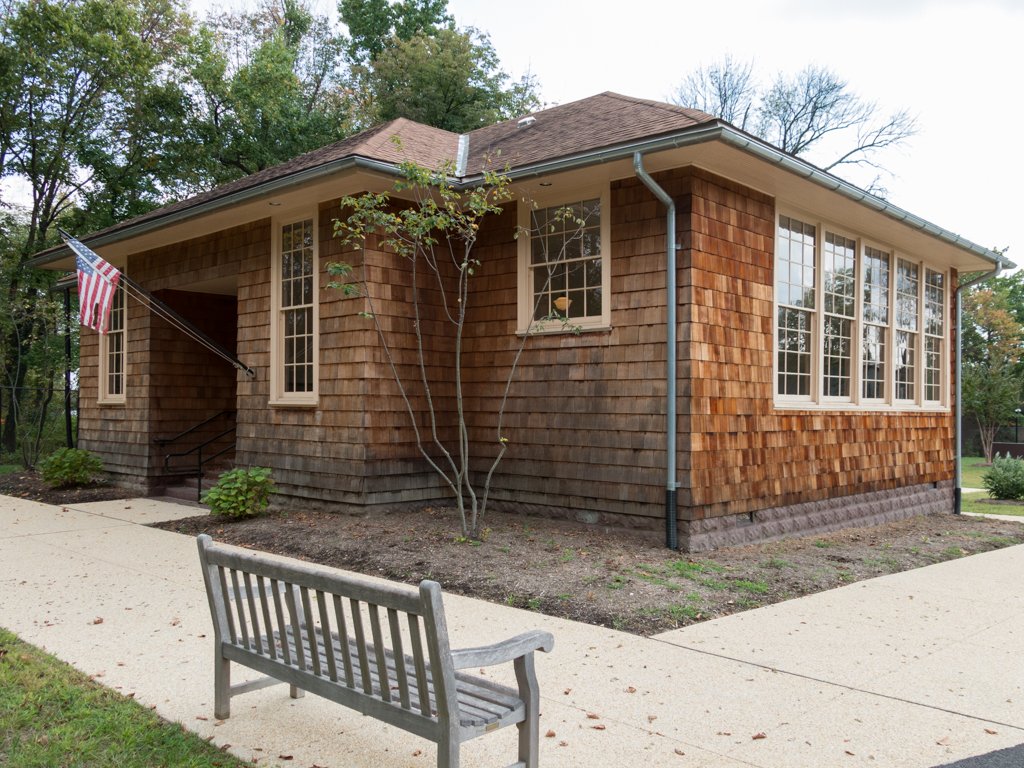
Ridgeley School is an excellent surviving example of a two-room Rosenwald school built for Black students during the 1920s. Philanthropist Julius Rosenwald, president of Sears, Roebuck and Company, established a fund in 1917 to address school inequality for Black children in racially segregated states. The Rosenwald Fund offered model plans for one-teacher, two-teacher, and larger school buildings with seed money toward construction. School districts had to provide the remainder of the costs, and each local Black community contributed cash or such in-kind contributions as building materials and labor. Rosenwald Schools were built in twenty Maryland counties, mainly between 1920 and 1928 for a total of 156 of the approximately 5,000 built in fifteen southern states.
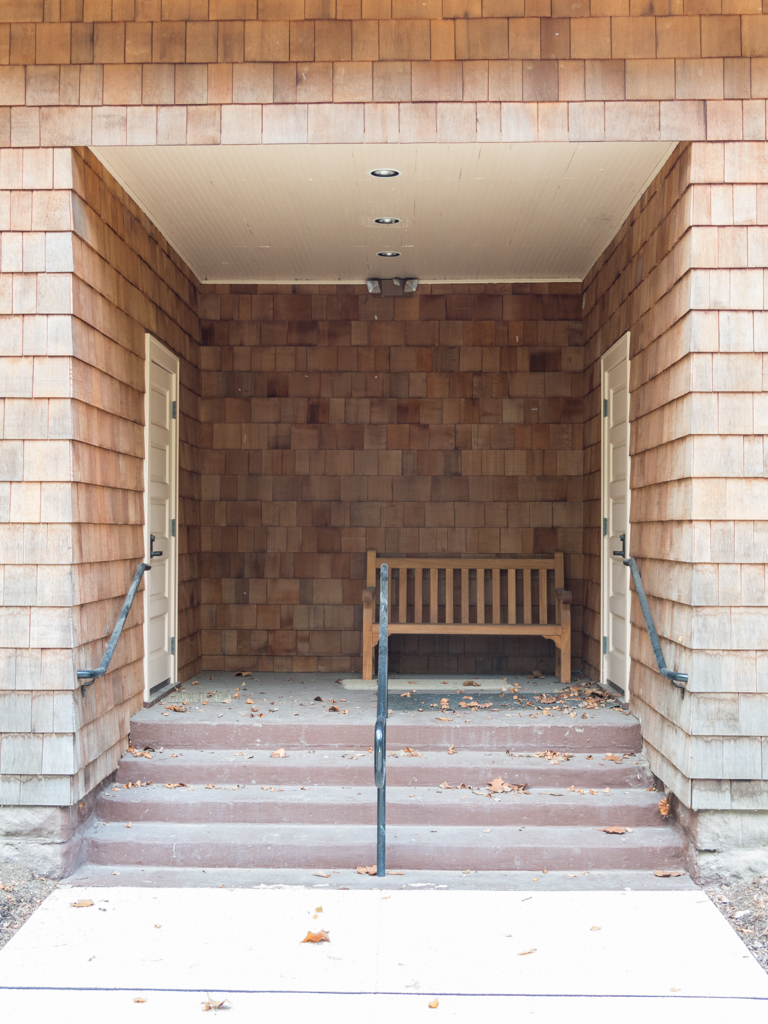
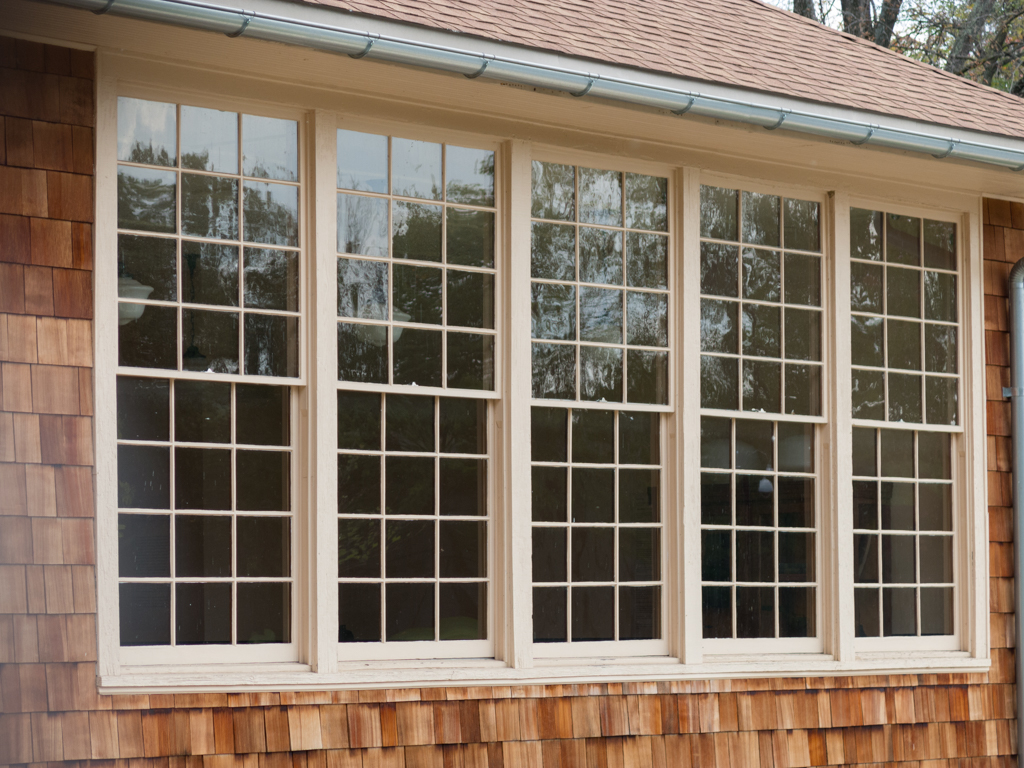
Ridgeley School is a fine example of the two-room, two-teacher type most common in Maryland, with a small rear addition of the late 1940s. Two classrooms separated by a hall and cloakroom are each lit by a row of five large twelve-over-twelve windows, natural light being a key feature of the model plans. Prior to construction of the school, local Black students attended classes in a nearby church hall. The school closed after desegregation in 1954 but remained part of the county school system as a special education center and then county school bus administrative offices. Restored in 2011, the school now houses museum exhibits and is open to the public.