Carpenter Center for the Visual Arts

Carpenter Center for the Visual Arts

Carpenter Center for the Visual Arts Peter Vanderwarker or Antonina Smith

Carpenter Center for the Visual Arts

Photo 2 of Carpenter Center for the Visual Arts Photo 3 of Carpenter Center for the Visual Arts Photo 4 of Carpenter Center for the Visual Arts Photo 5 of Carpenter Center for the Visual Arts Photo 6 of Carpenter Center for the Visual Arts Photo 7 of Carpenter Center for the Visual Arts Photo 8 of Carpenter Center for the Visual Arts Photo 9 of Carpenter Center for the Visual Arts
1961–1963, Le Corbusier with Sert, Jackson and Gourley. 24 Quincy St.

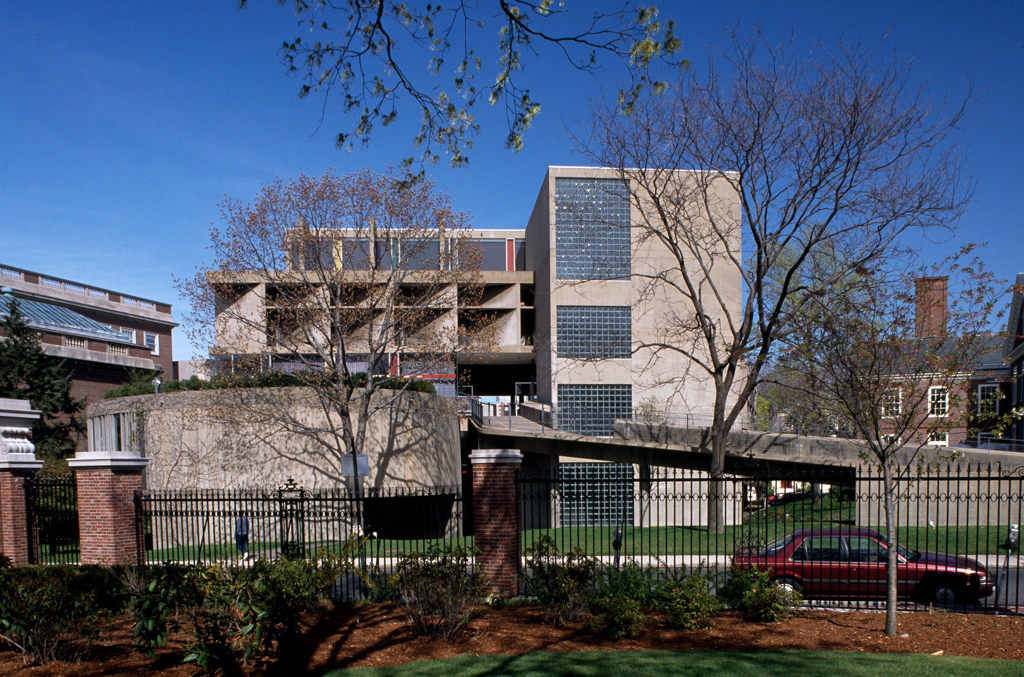
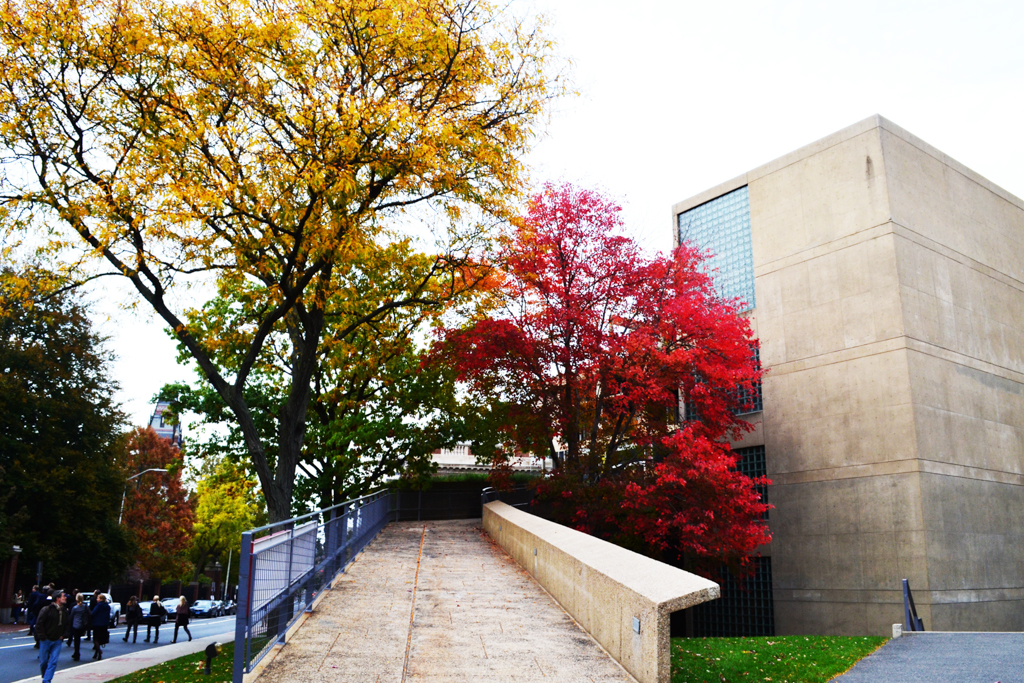
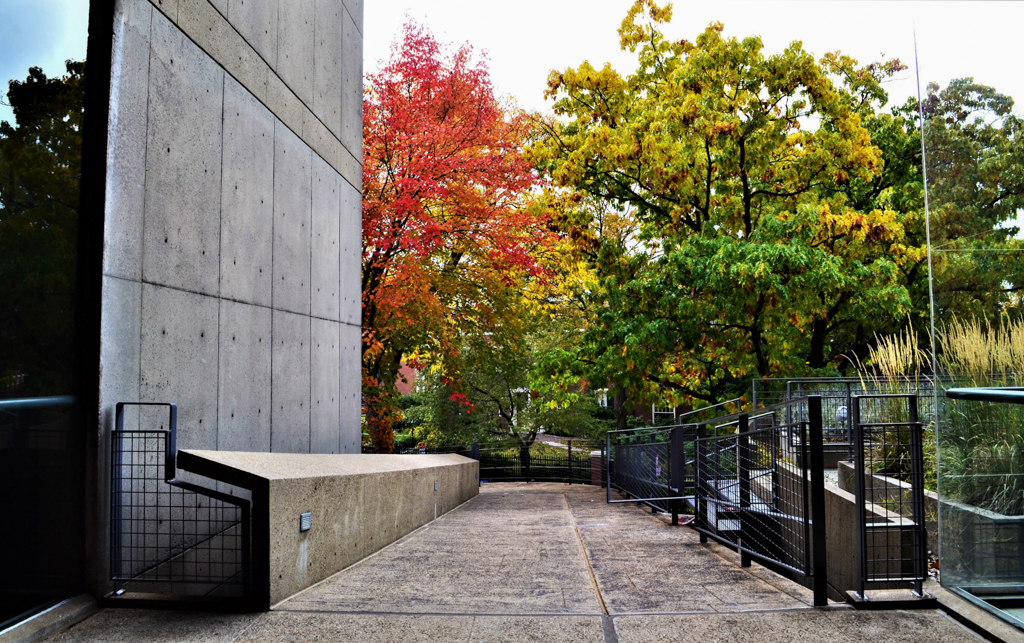
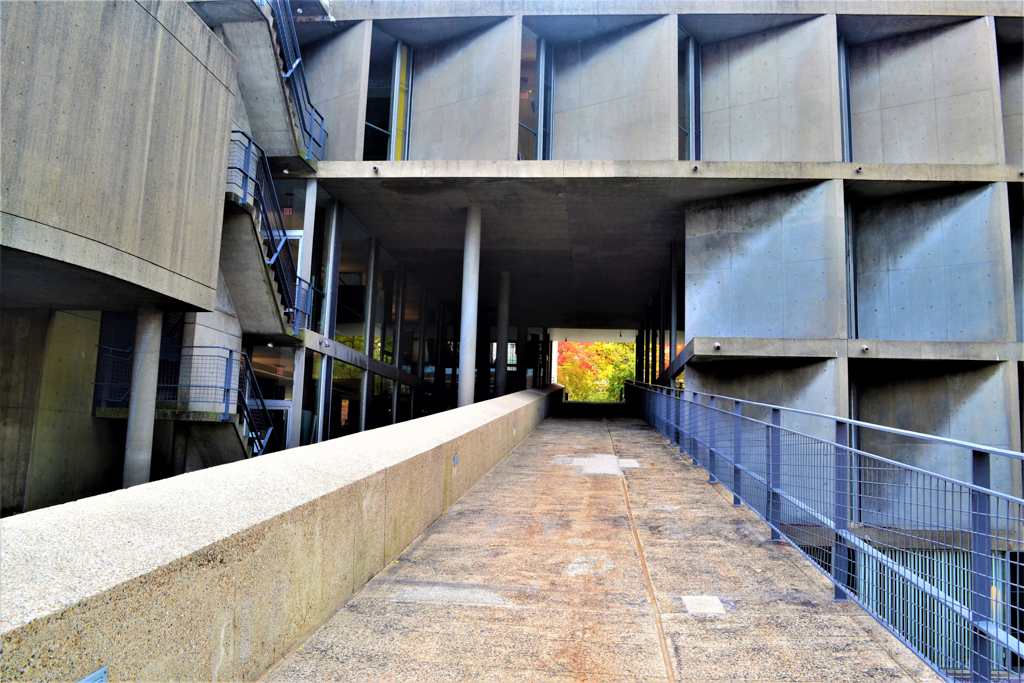
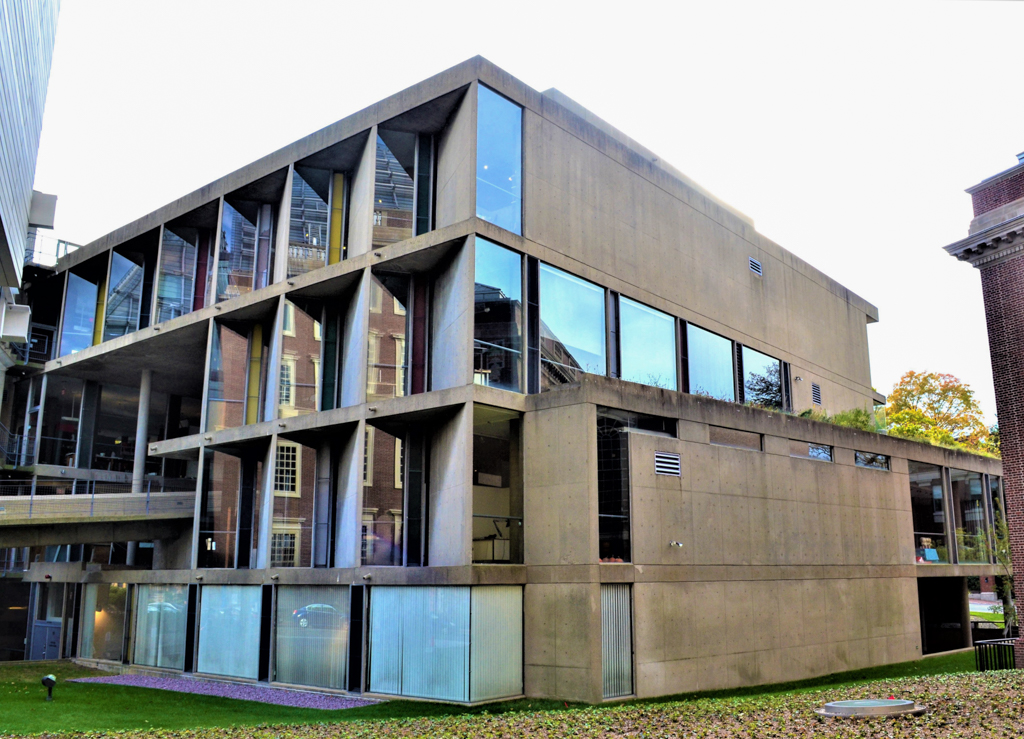
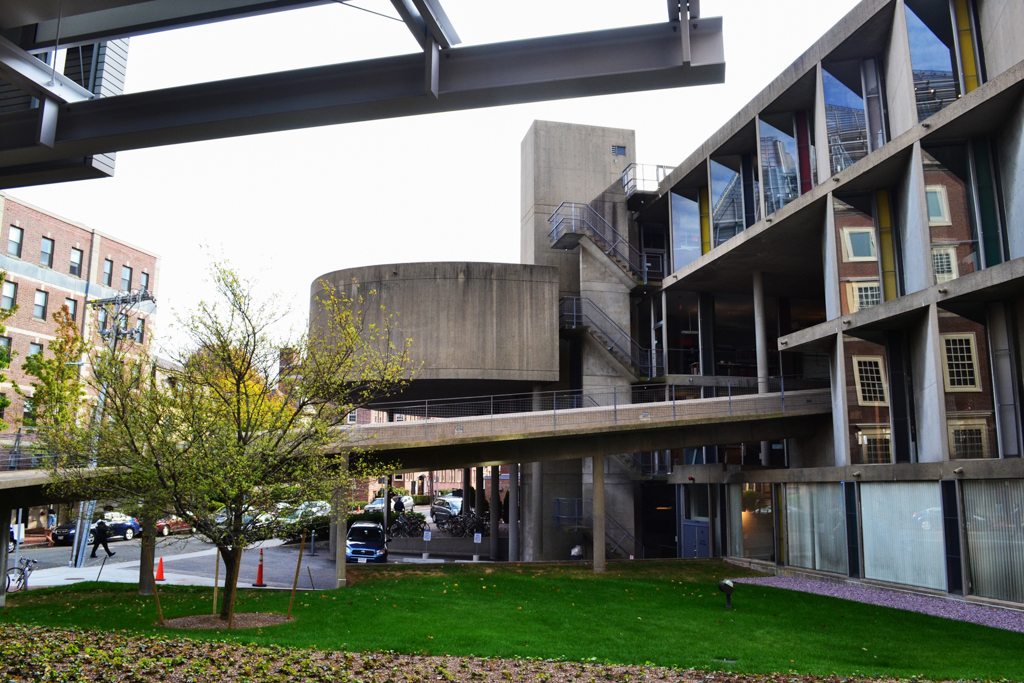
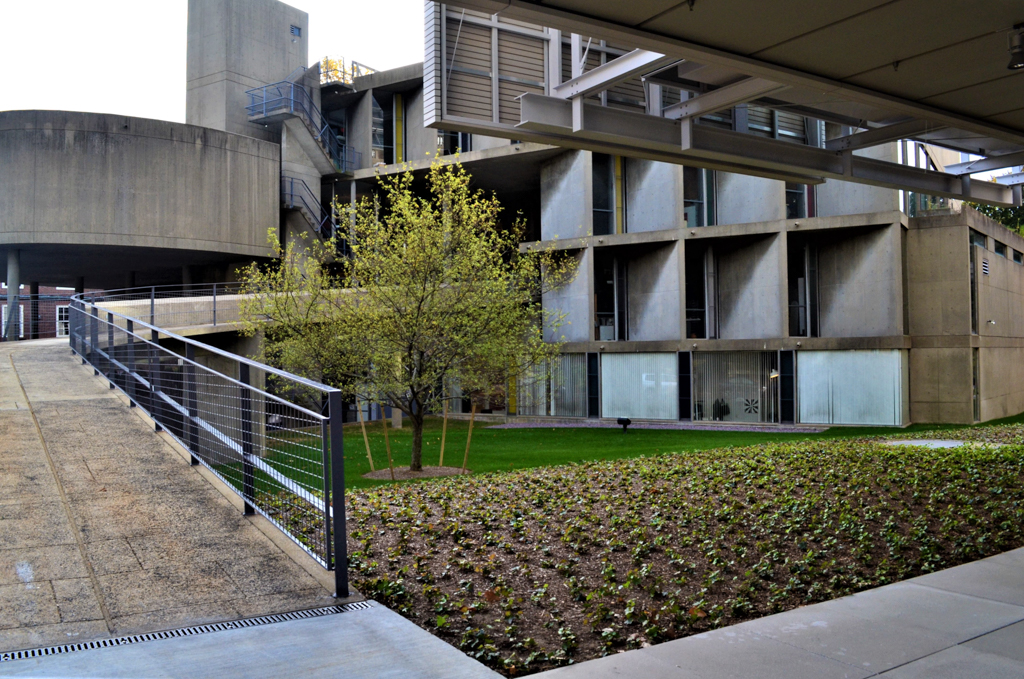
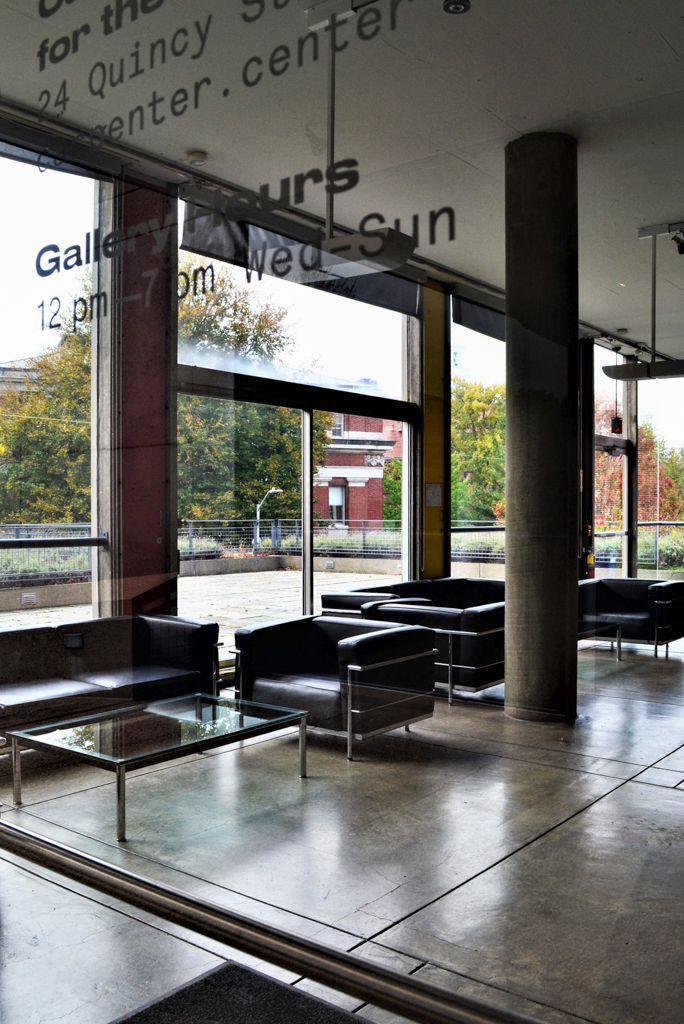
Between the Fogg Art Museum (HY15) and the Harvard Faculty Club (see HY18), the Carpenter Center for the Visual Arts demands attention—a reinforced concrete sculpture of a building, designed by Charles Edouard Jeanneret, known as Le Corbusier. In hiring the European master, Harvard departed from more than half a century of campus building marked by self-affirmation. The Carpenter Center sits apart from its Georgian Revival neighbors, its isolation enhanced by the dynamic (but useless) ramp that runs diagonally through it, theoretically connecting Harvard Yard to Broadway. In many respects a characteristic building of Le Corbusier, and the only one in North America by him, it features slender concrete pilotis supporting studios and offices with angled sunscreens and walls of glass block. The rooftop terraces and subterranean courts derived from Mediterranean conditions make little sense during a Cambridge winter. In 1964, nevertheless, the Boston Society of Architects gave their highest award, the Harleston Parker Prize, to the Carpenter Center. Just two decades before, they gave the same award to the Georgian Revival Houghton Library (see
HY19
) across Quincy Street. Together the two buildings document the changing cultures of Harvard and Boston over this pivotal twenty-year period.

Writing Credits