Glencairn Museum (Raymond Pitcairn House)

Glencairn Museum (Raymond Pitcairn House)

Glencairn Museum (Raymond Pitcairn House) HABS
Photo 2 of Glencairn Museum (Raymond Pitcairn House) Photo 3 of Glencairn Museum (Raymond Pitcairn House) Photo 4 of Glencairn Museum (Raymond Pitcairn House) Photo 5 of Glencairn Museum (Raymond Pitcairn House) Photo 6 of Glencairn Museum (Raymond Pitcairn House) Photo 7 of Glencairn Museum (Raymond Pitcairn House) Photo 8 of Glencairn Museum (Raymond Pitcairn House) Photo 9 of Glencairn Museum (Raymond Pitcairn House) Photo 10 of Glencairn Museum (Raymond Pitcairn House) Photo 11 of Glencairn Museum (Raymond Pitcairn House) Photo 12 of Glencairn Museum (Raymond Pitcairn House) Photo 13 of Glencairn Museum (Raymond Pitcairn House) Photo 14 of Glencairn Museum (Raymond Pitcairn House) Photo 15 of Glencairn Museum (Raymond Pitcairn House) Photo 16 of Glencairn Museum (Raymond Pitcairn House) Photo 17 of Glencairn Museum (Raymond Pitcairn House) Photo 18 of Glencairn Museum (Raymond Pitcairn House) Photo 19 of Glencairn Museum (Raymond Pitcairn House) Photo 20 of Glencairn Museum (Raymond Pitcairn House) Photo 21 of Glencairn Museum (Raymond Pitcairn House) Photo 22 of Glencairn Museum (Raymond Pitcairn House) Photo 23 of Glencairn Museum (Raymond Pitcairn House) Photo 24 of Glencairn Museum (Raymond Pitcairn House)
1929–1939, Raymond Pitcairn. Cathedral Rd. near the Cathedral

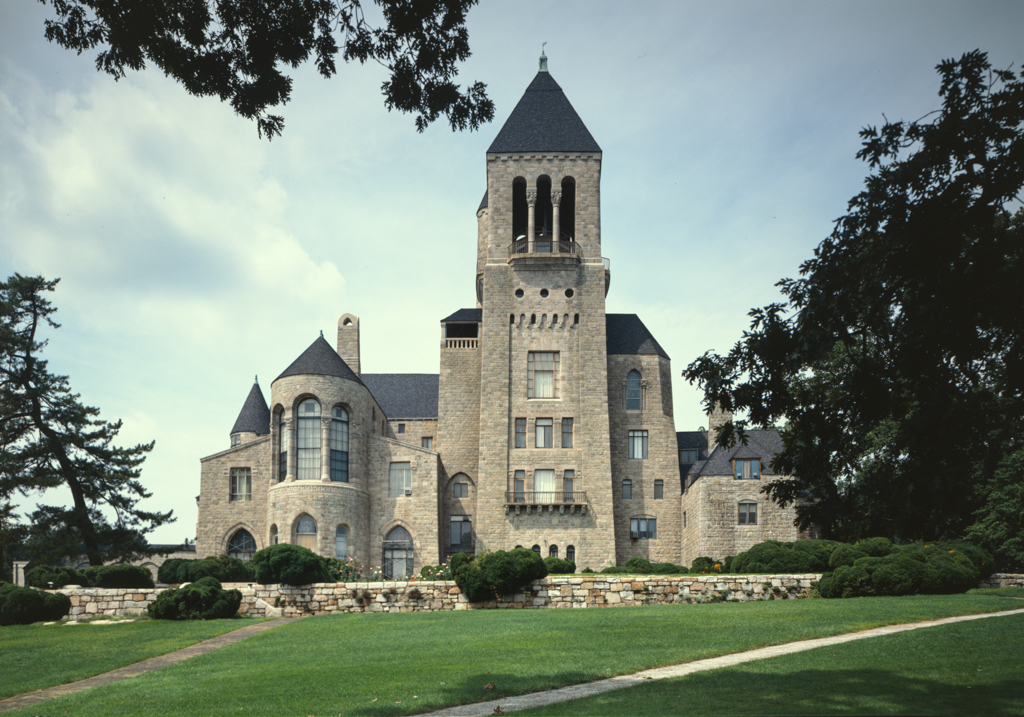
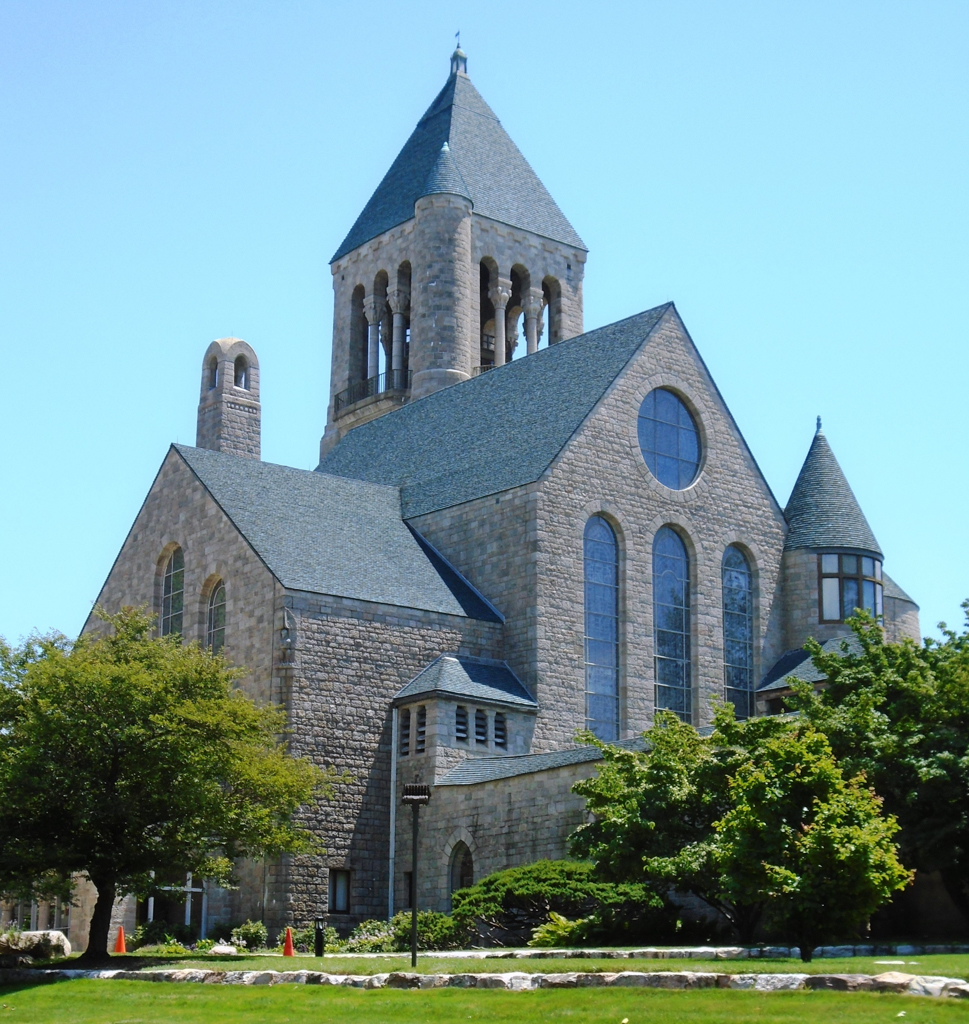
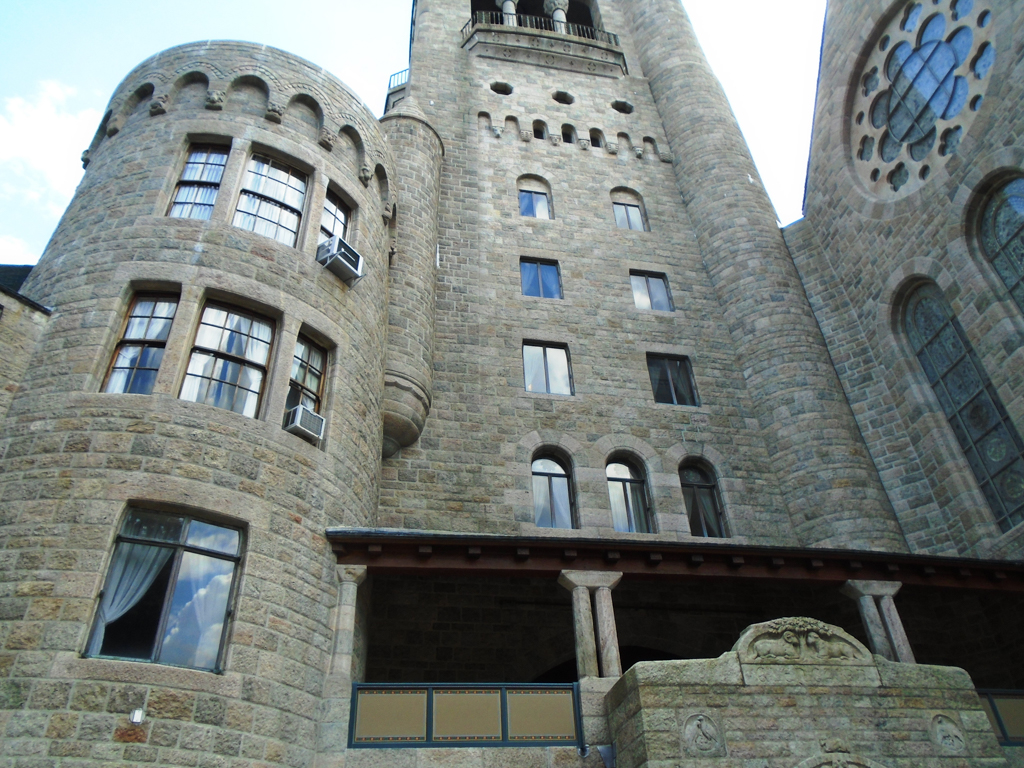
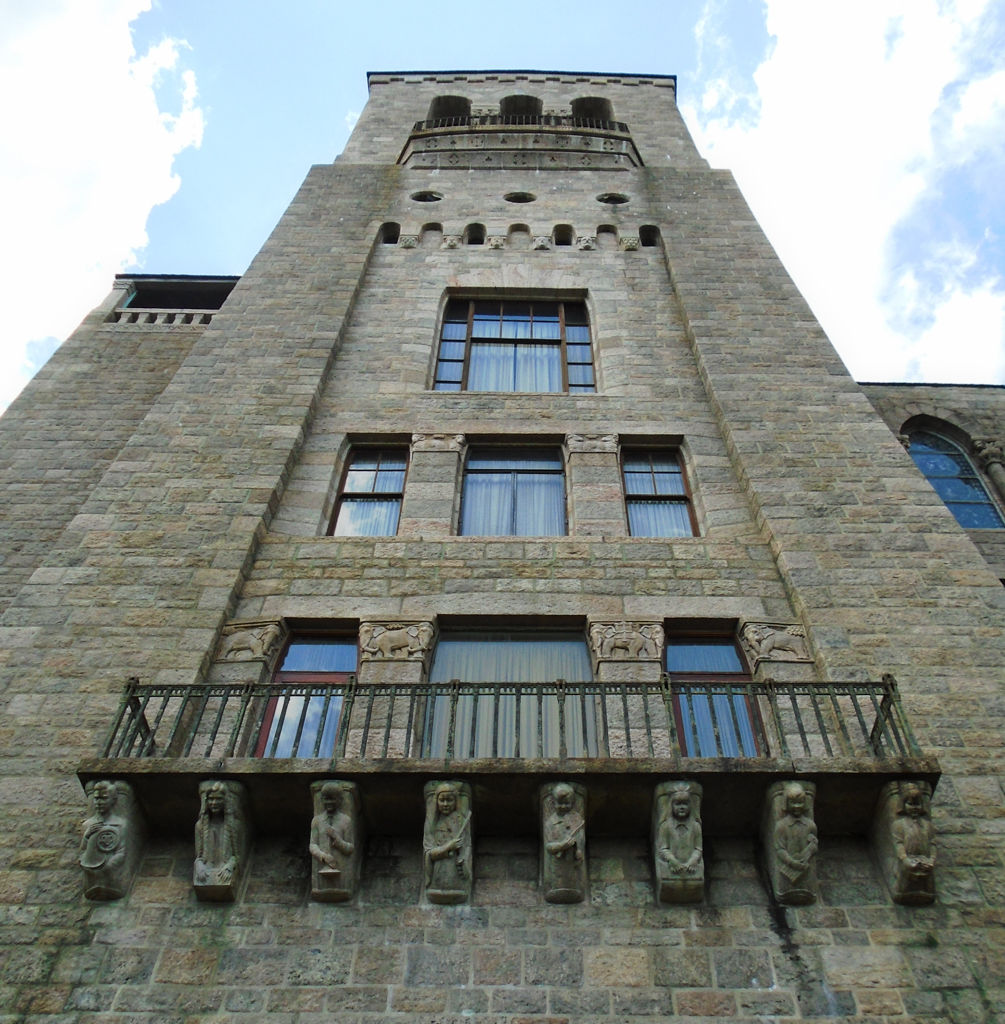
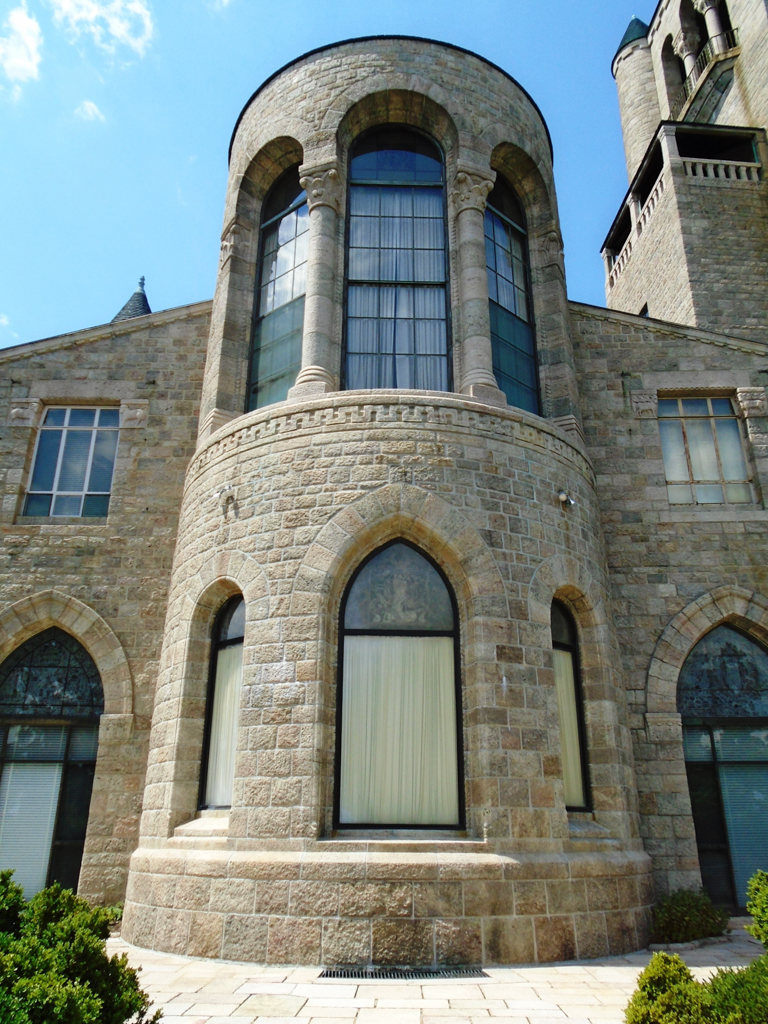
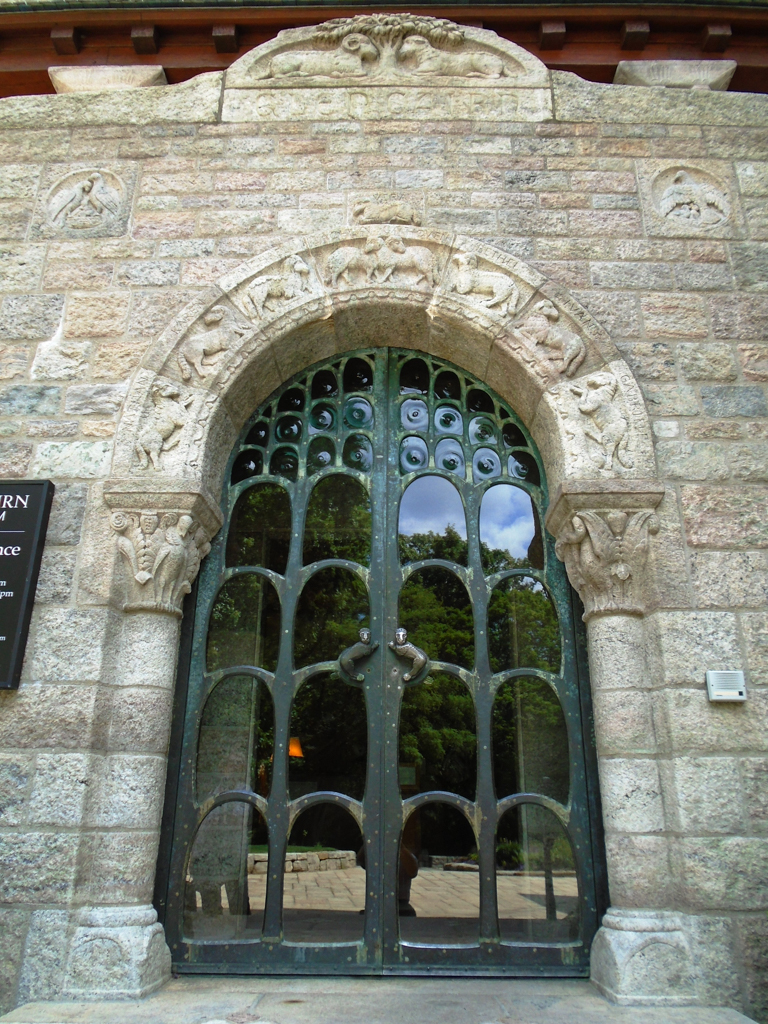
Enthusiasm and vast wealth made up for a lack of professional training in this remarkable project that continued the values of William Morris's Arts and Crafts movement until the beginnings of World War II. Raymond Pitcairn had served as the clerk of the works for Cram's cathedral (
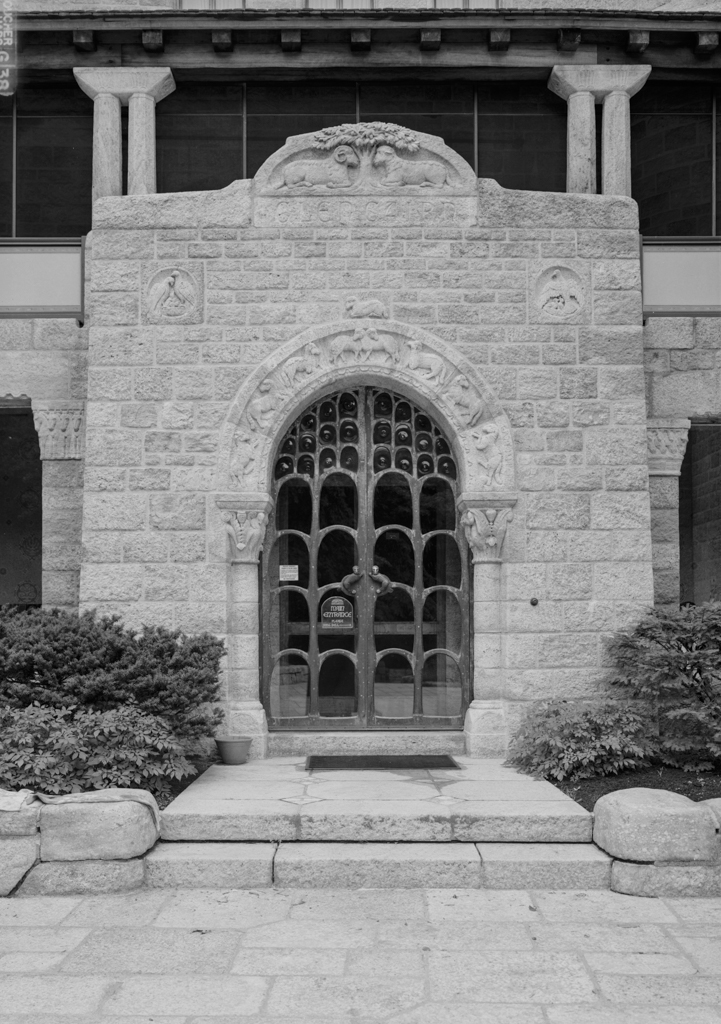
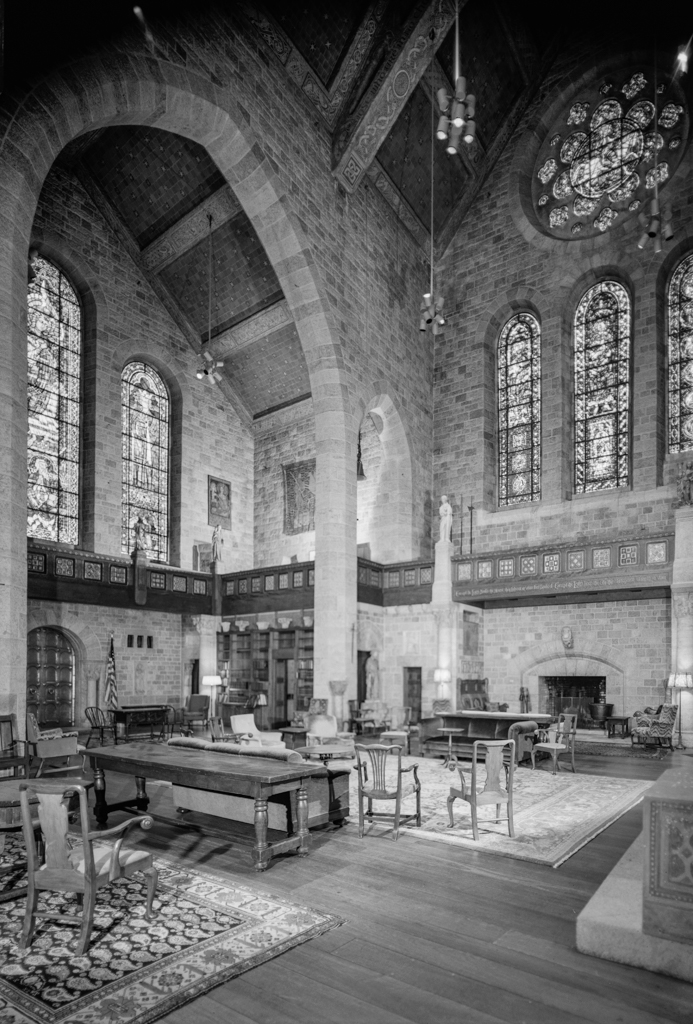
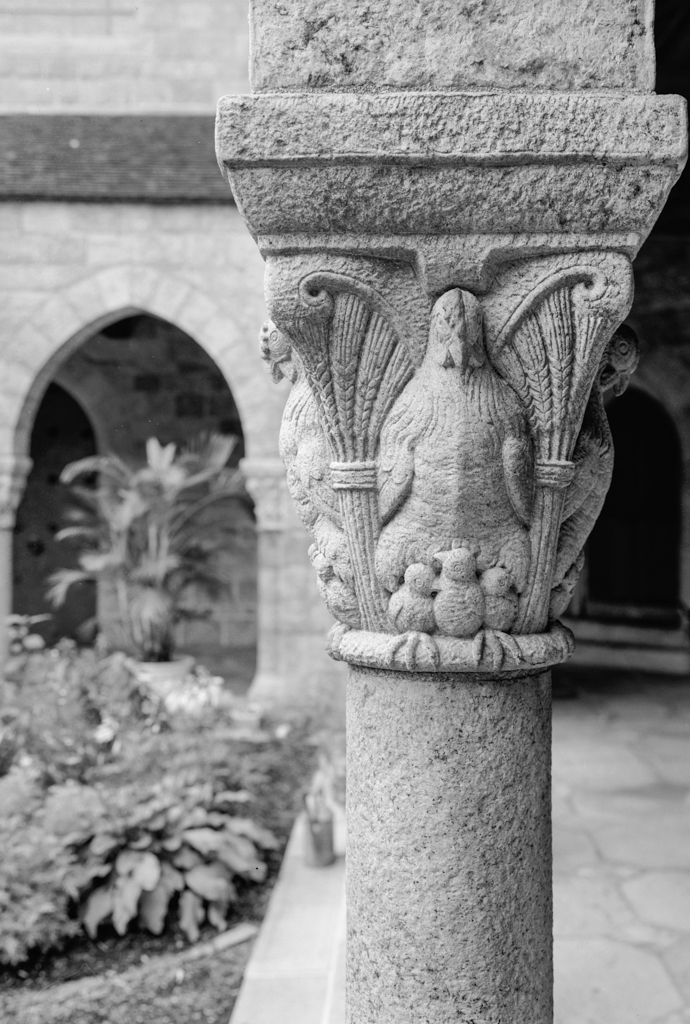
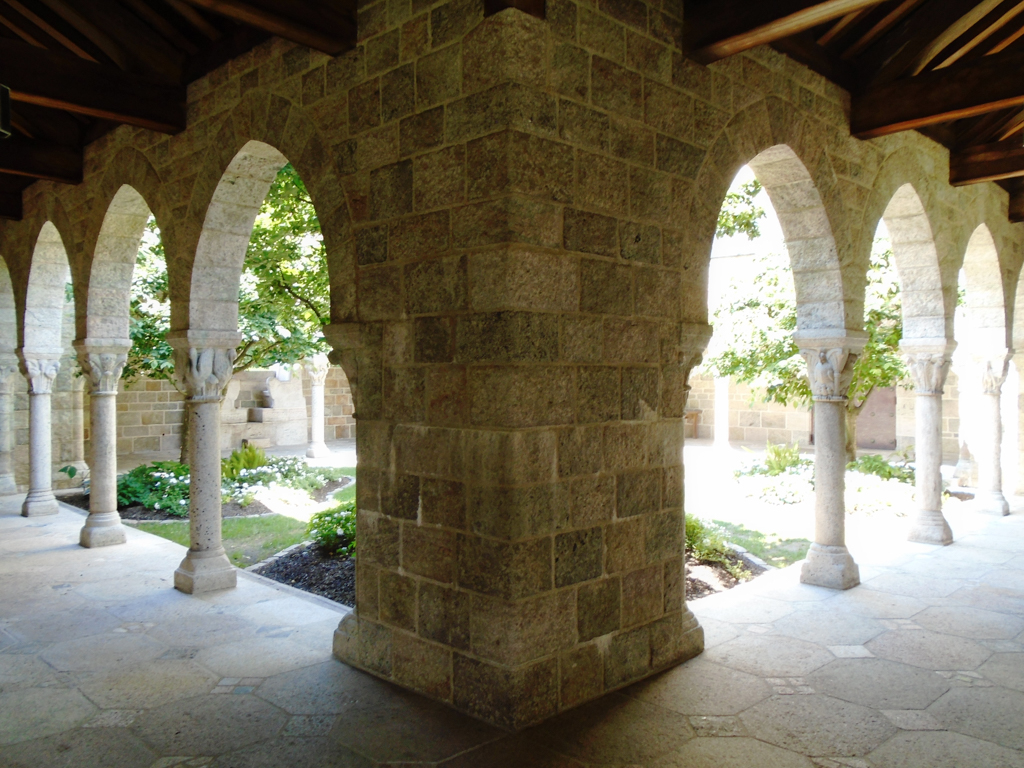
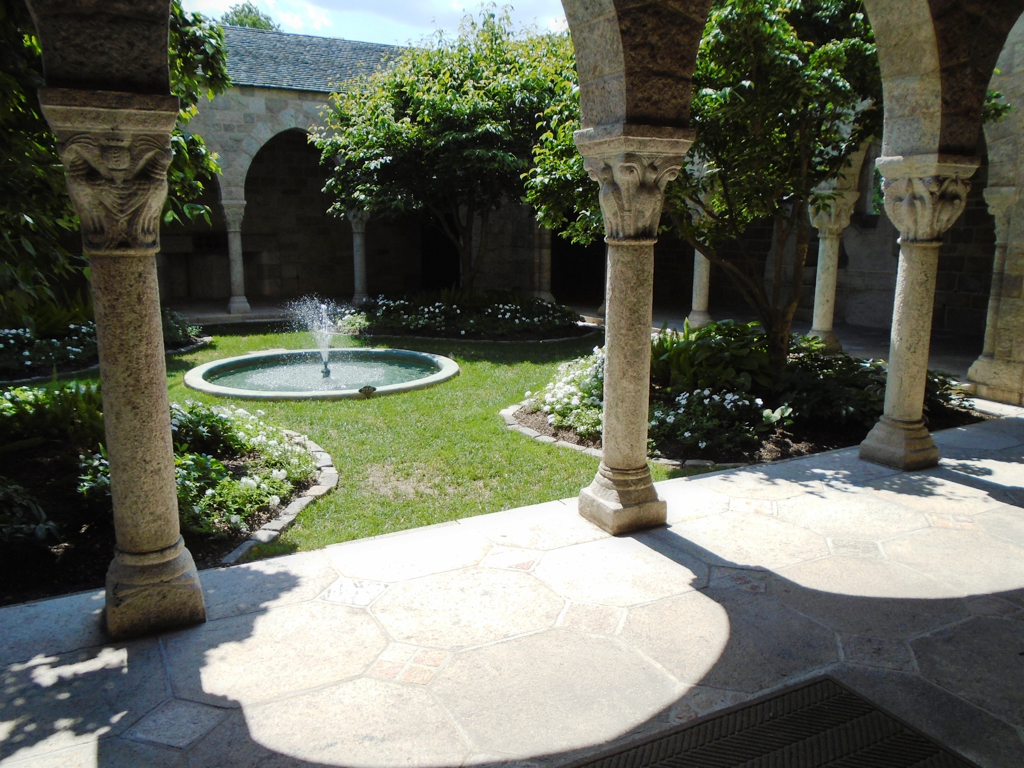
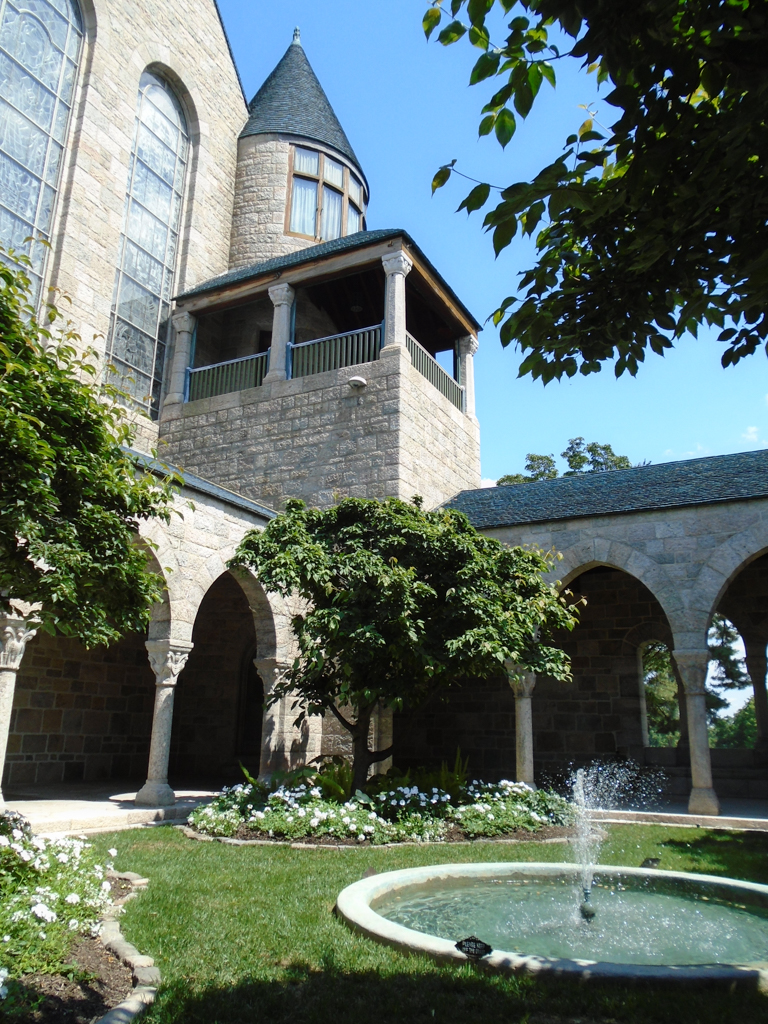
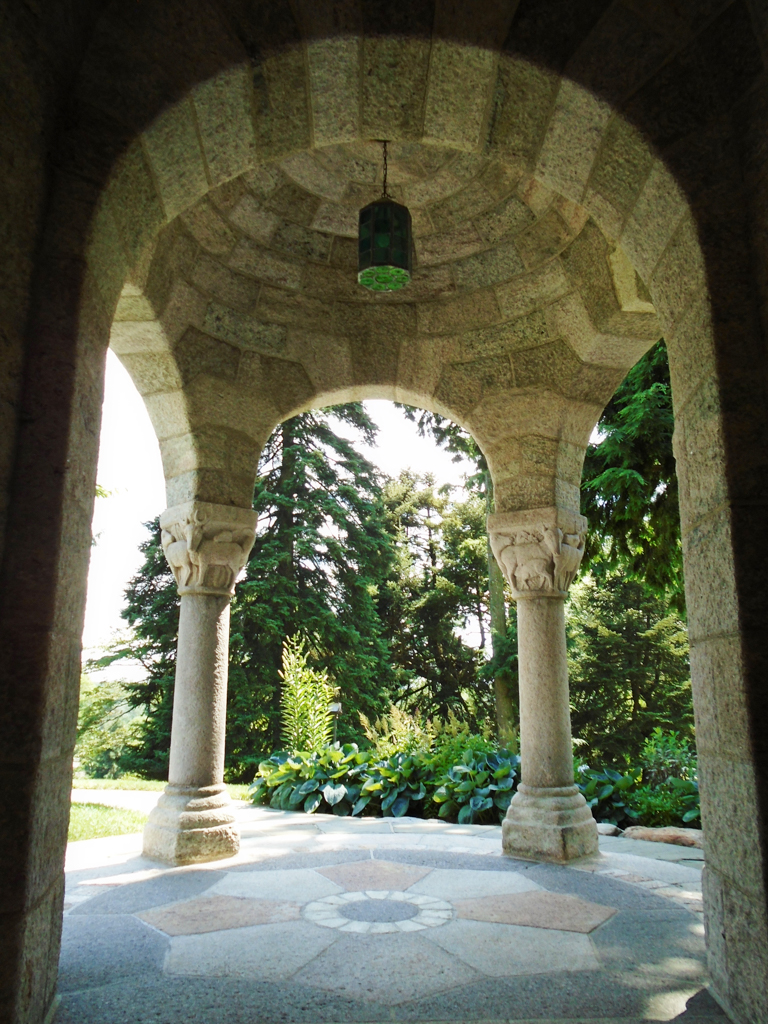
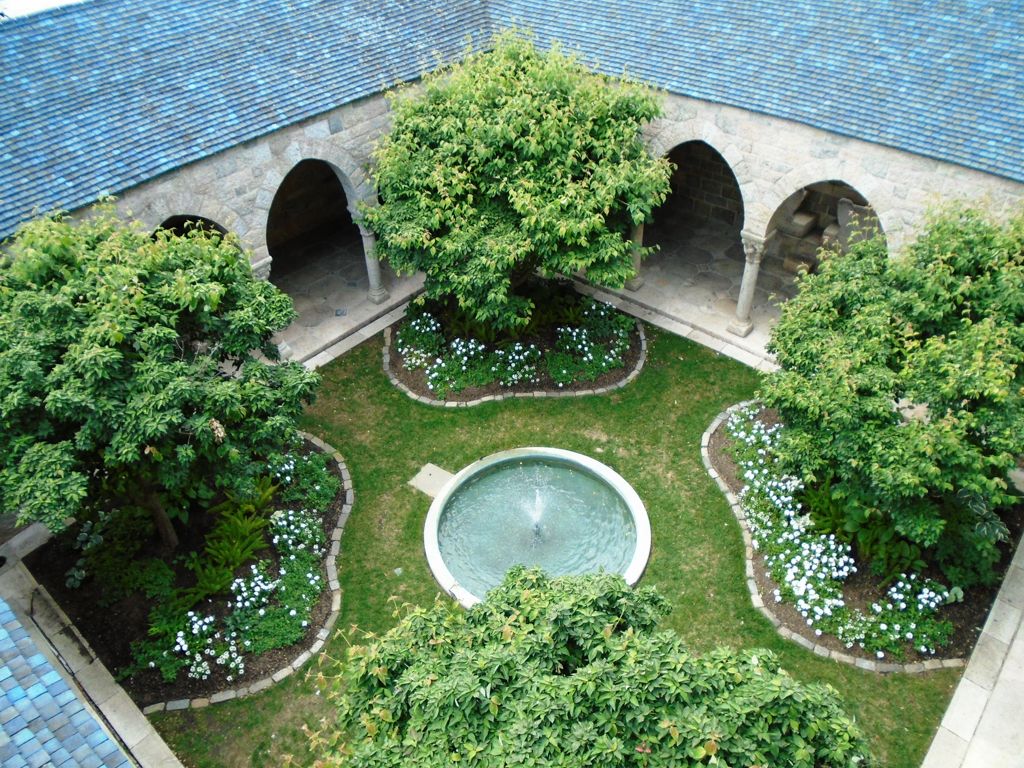
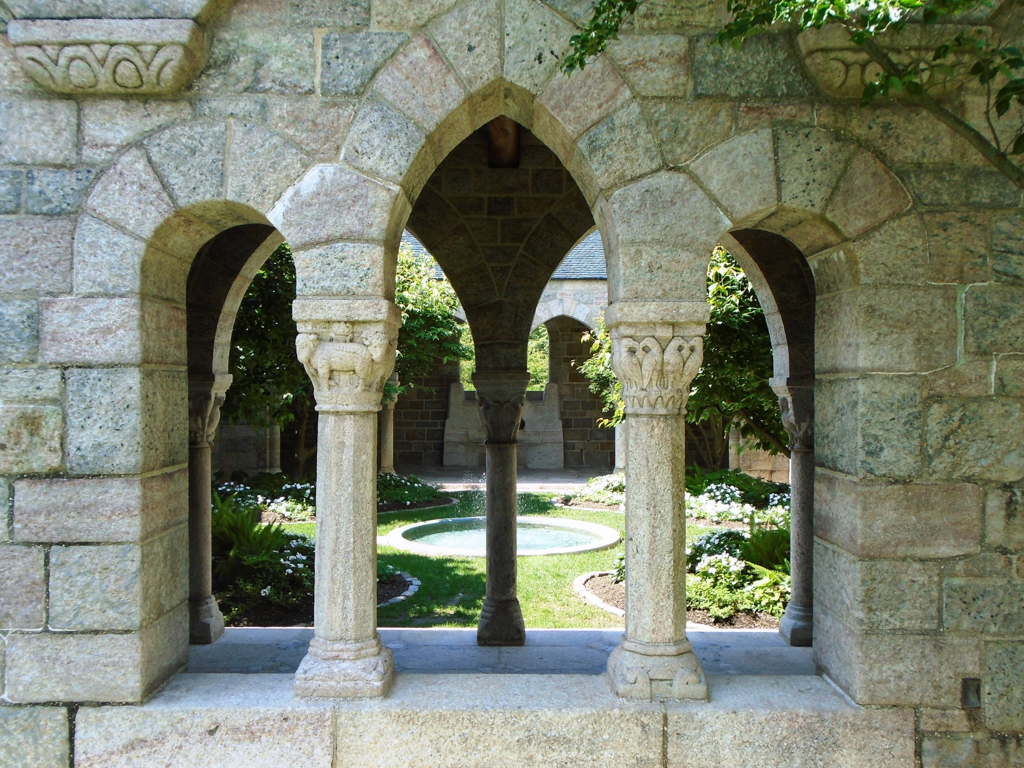
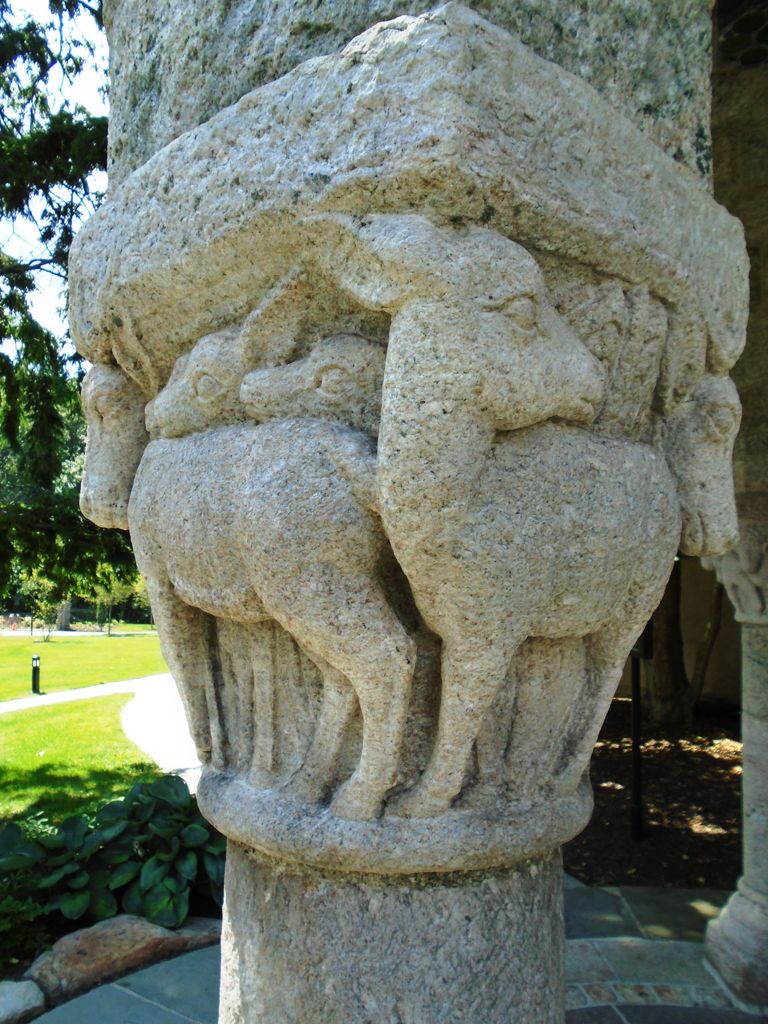
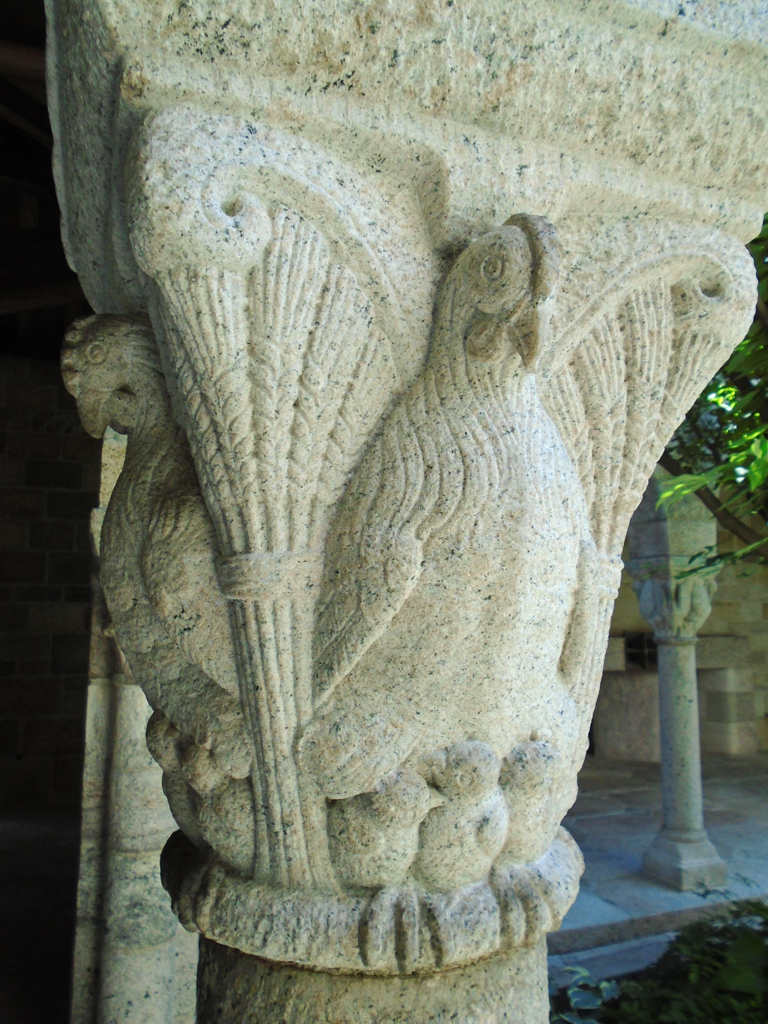
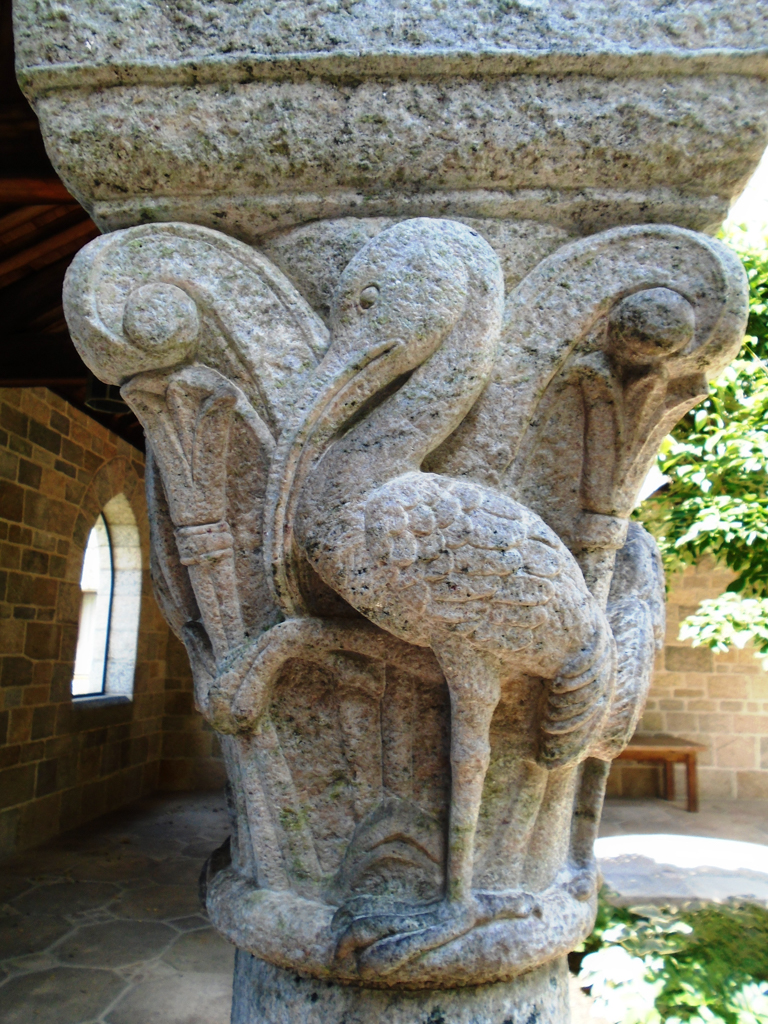
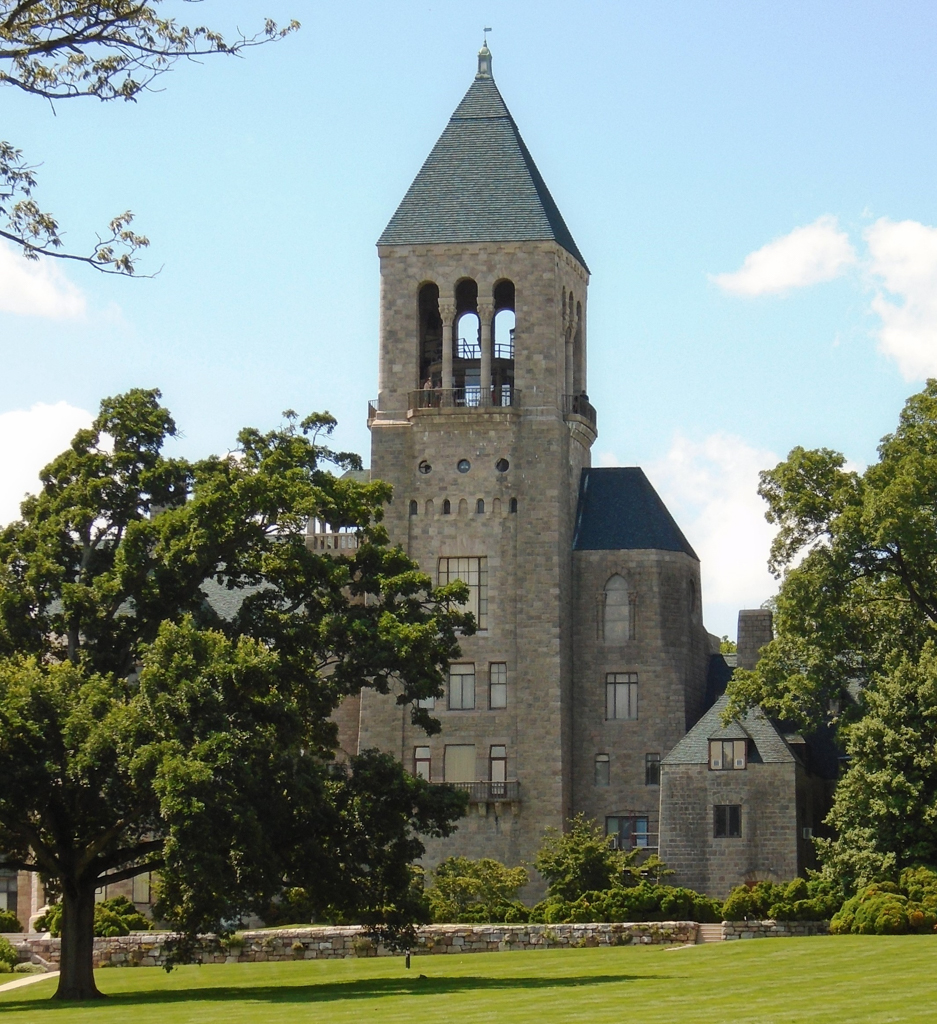
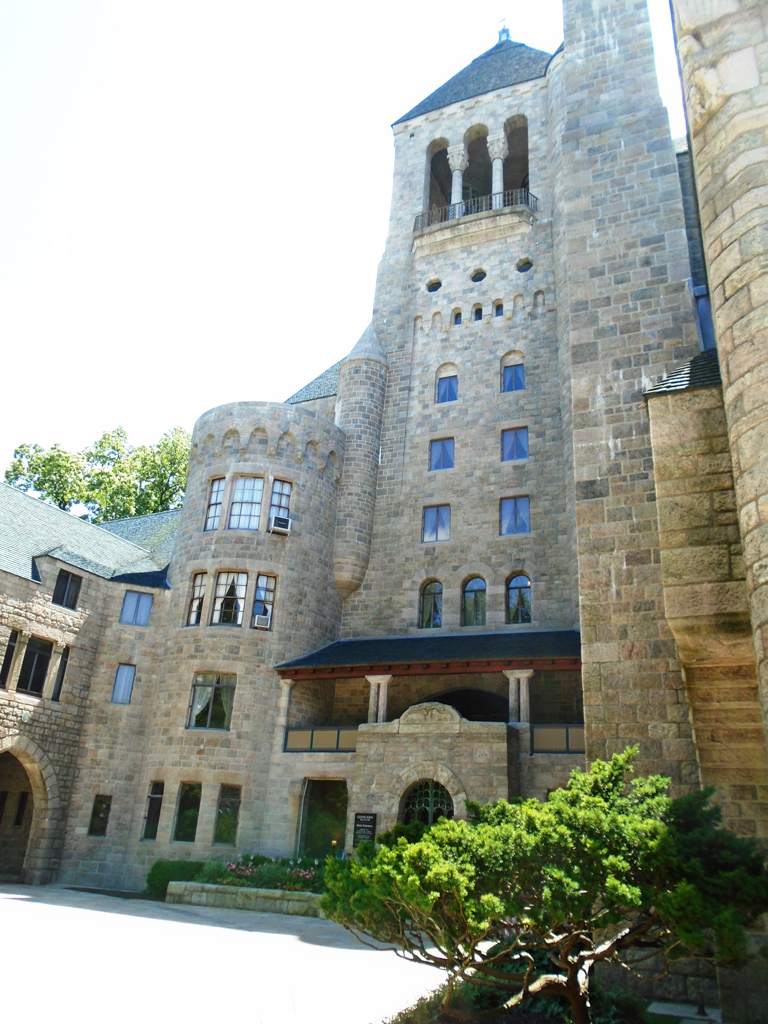
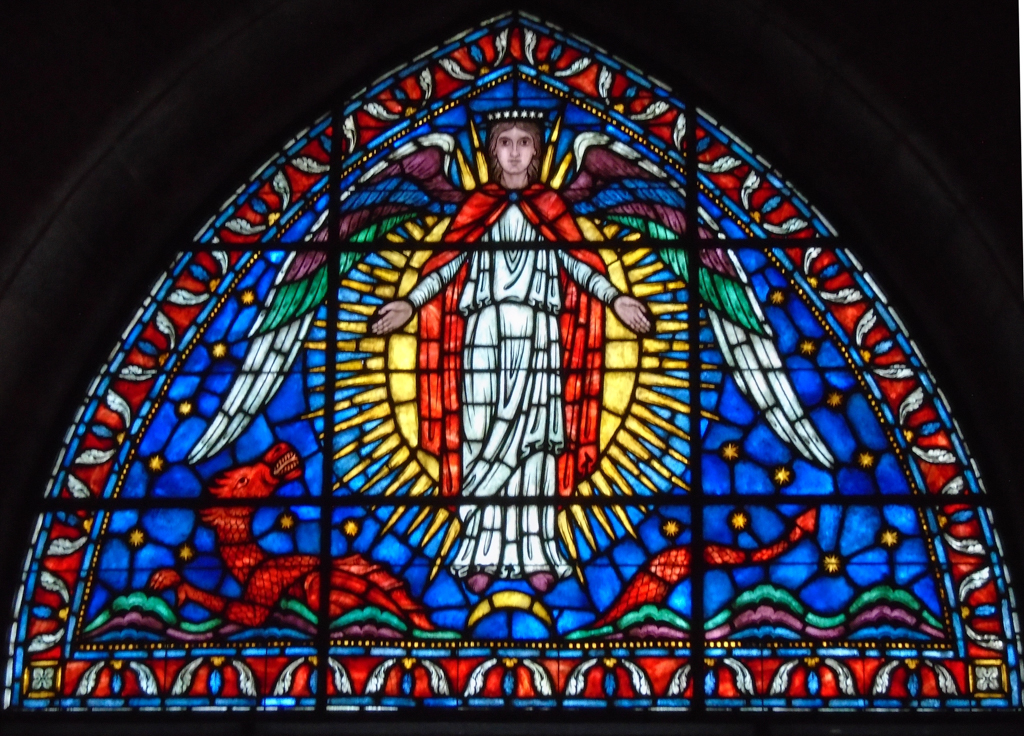
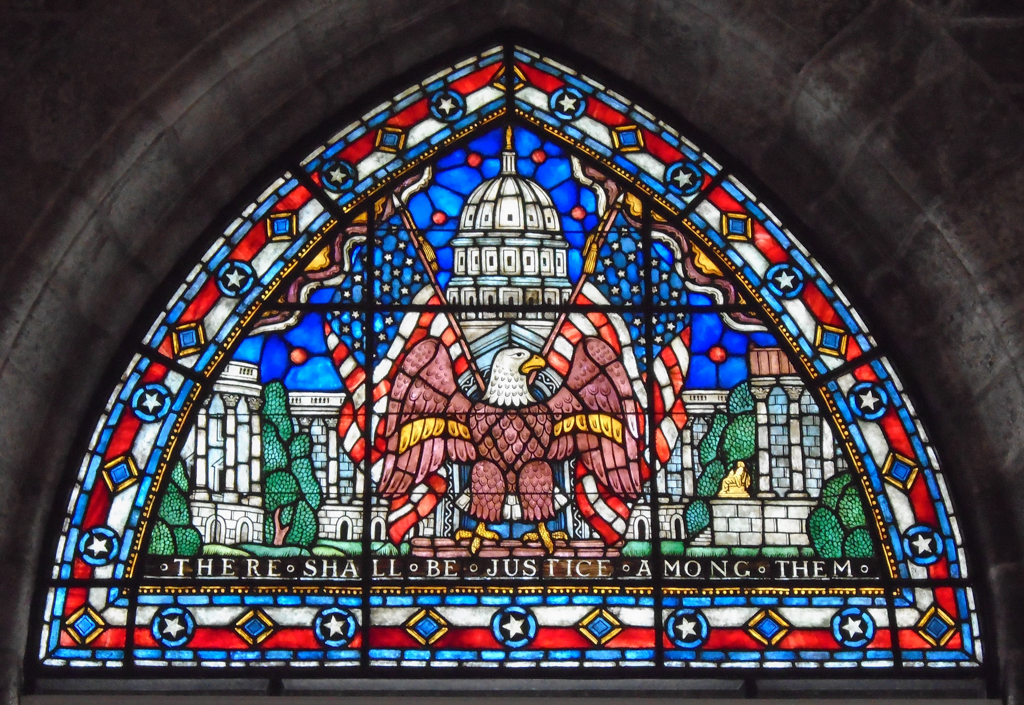
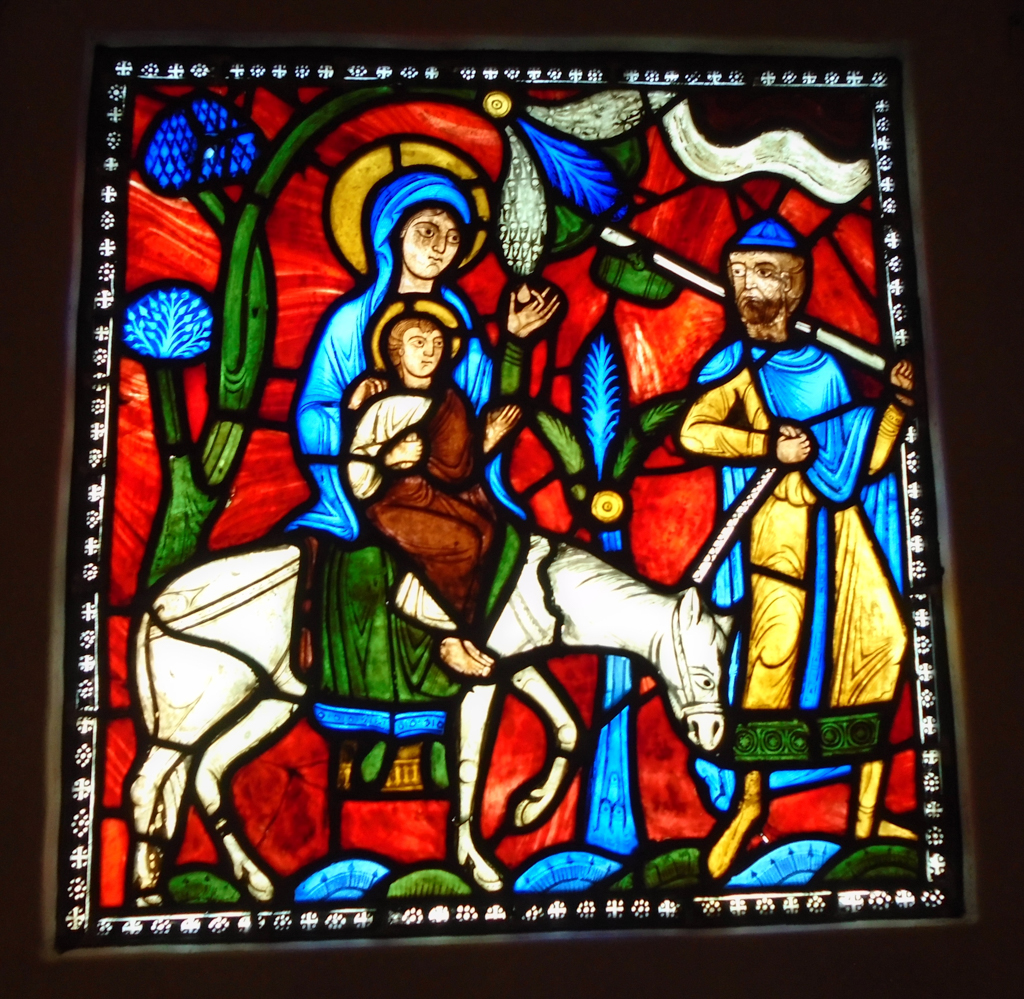
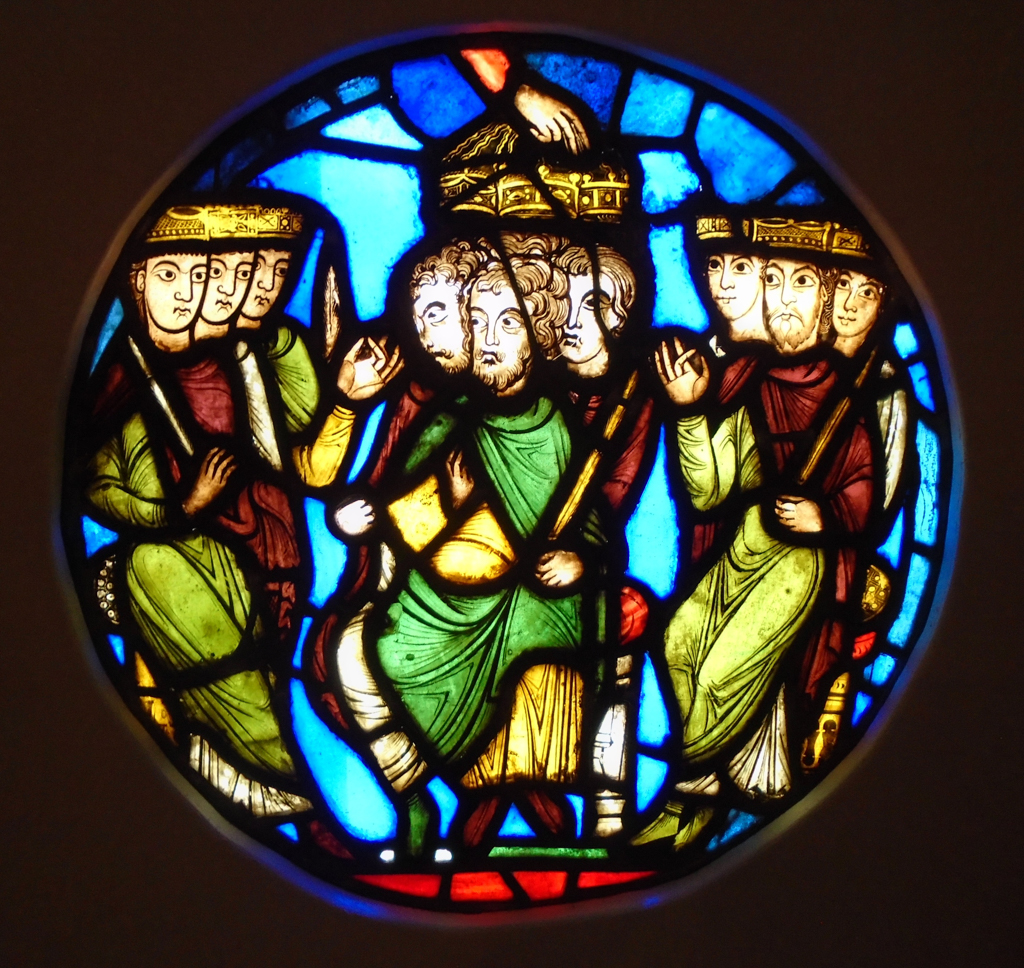
MO40), bringing to life his father's vision of a medieval craft revival to represent the values of Emmanuel Swedenborg's New Church. This led him to design his house as a part of the Bryn Athyn complex. To overcome his lack of training, Pitcairn, like Henry Mercer in Doylestown, developed the forms of his proposed building from plaster models, arriving at a powerful Romanesque pile that he constructed over a reinforced concrete frame. The brilliant blue tile roof contrasts with warm brown hues of stones gathered from the family's favorite vacation spots and worked by master carvers Attilio Marchiori and Pietro Menghi from Italy and Benjamin Tweedale from Britain that give the building its personal quality. The leaded glass windows relied on the re-creation of medieval techniques, resulting in the first pot-metal glass since the Middle Ages. The “wow” of the interior is the vaulted great hall, lighted by glass made on site and containing important elements of the Pitcairn medieval collection.

Writing Credits