

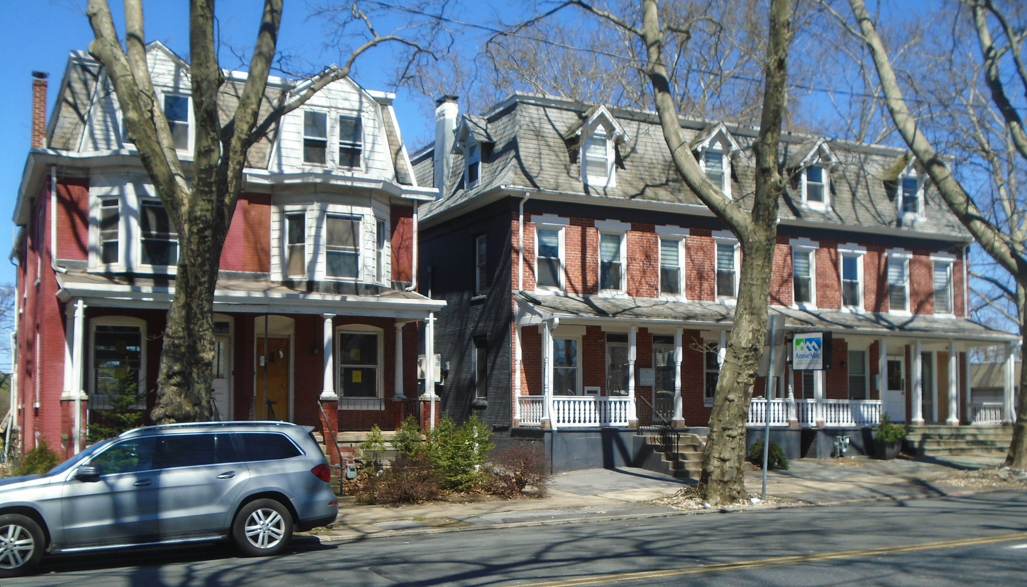
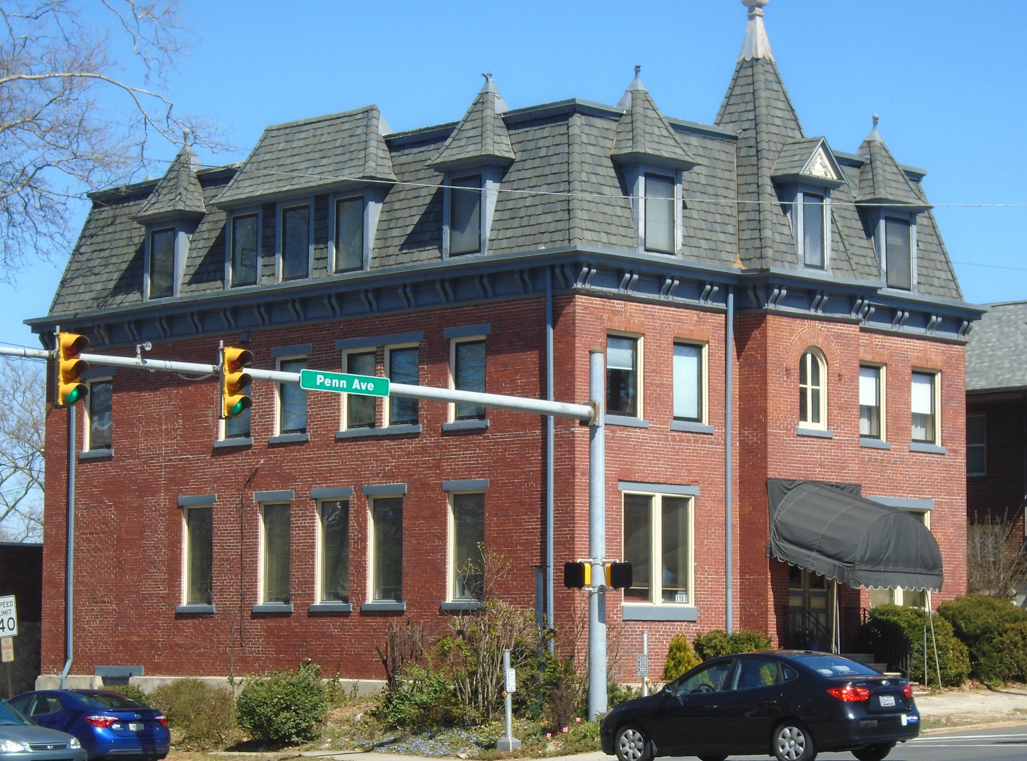
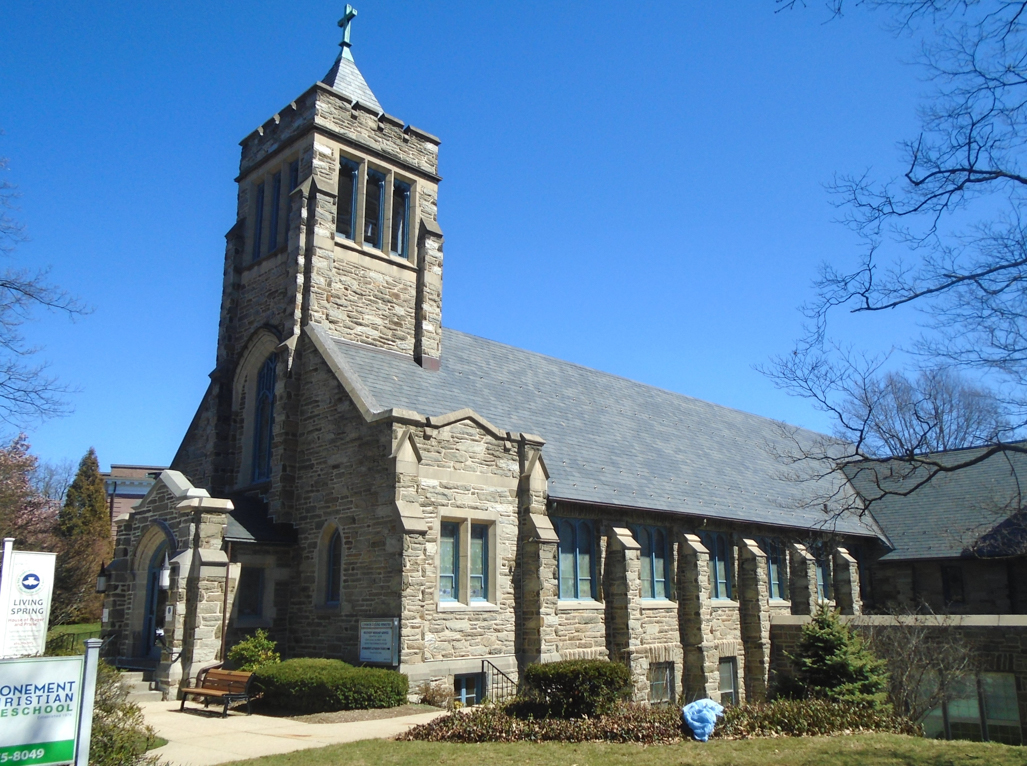
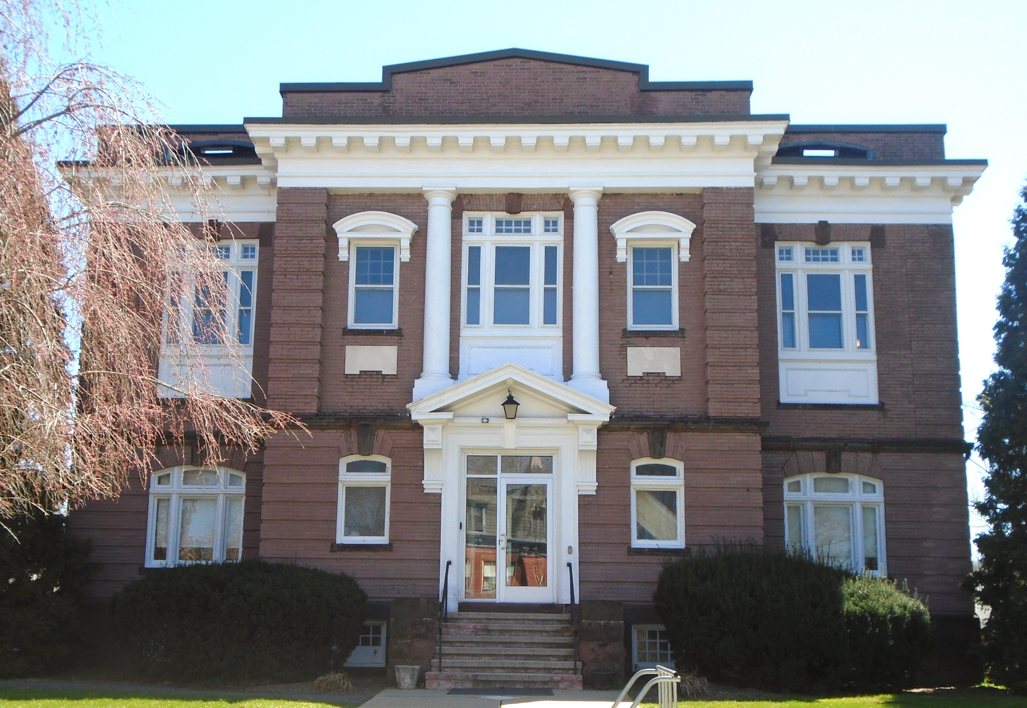
Industrial Reading's acceptance of the automobile was accommodated by Thomas Merritt when he planned a development on one of the ridges across the Schuylkill from Reading. His first scheme was organized by William Dechant and provided textile mills and workers’ housing. This was soon enlarged by German planner Hegemann and Harvard-trained Peets, fresh from the success of their plan for Washington Highlands outside of Milwaukee. They were commissioned by Merritt to extend development toward the natural feature of the Wyomissing Creek valley upwind of the industrial city on the hilltops of West Reading. Their scheme, like Henry Houston's in
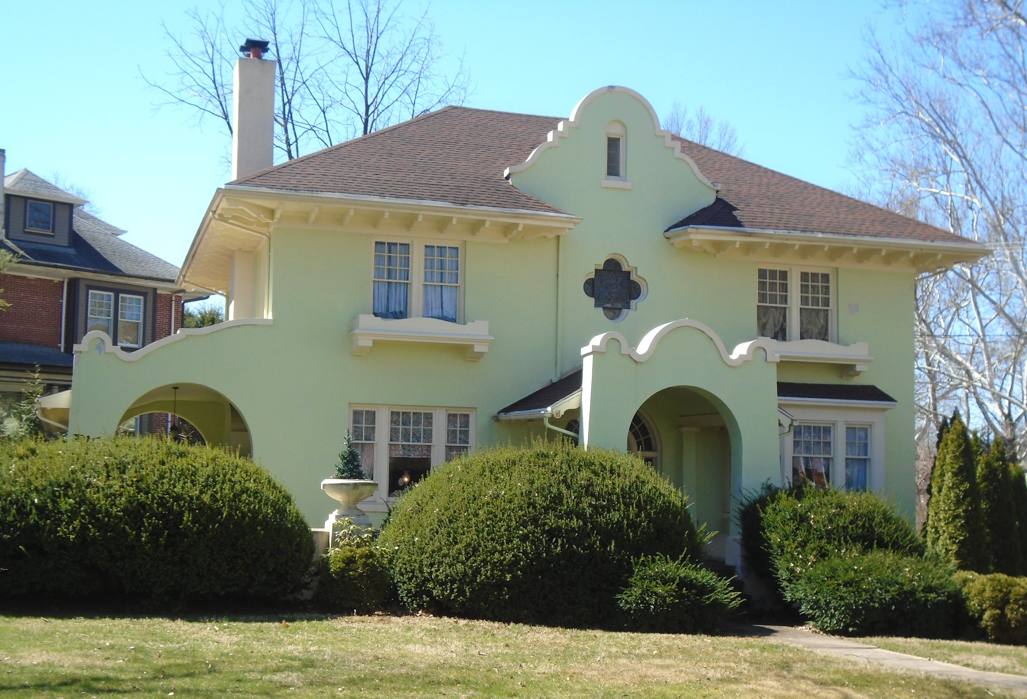
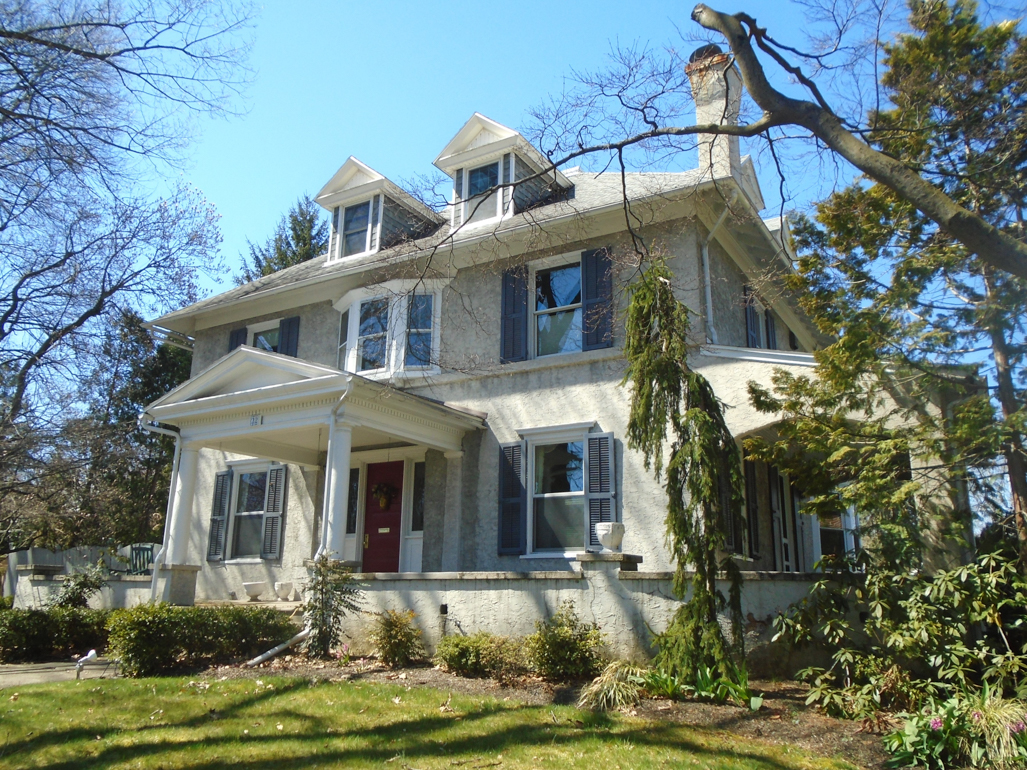
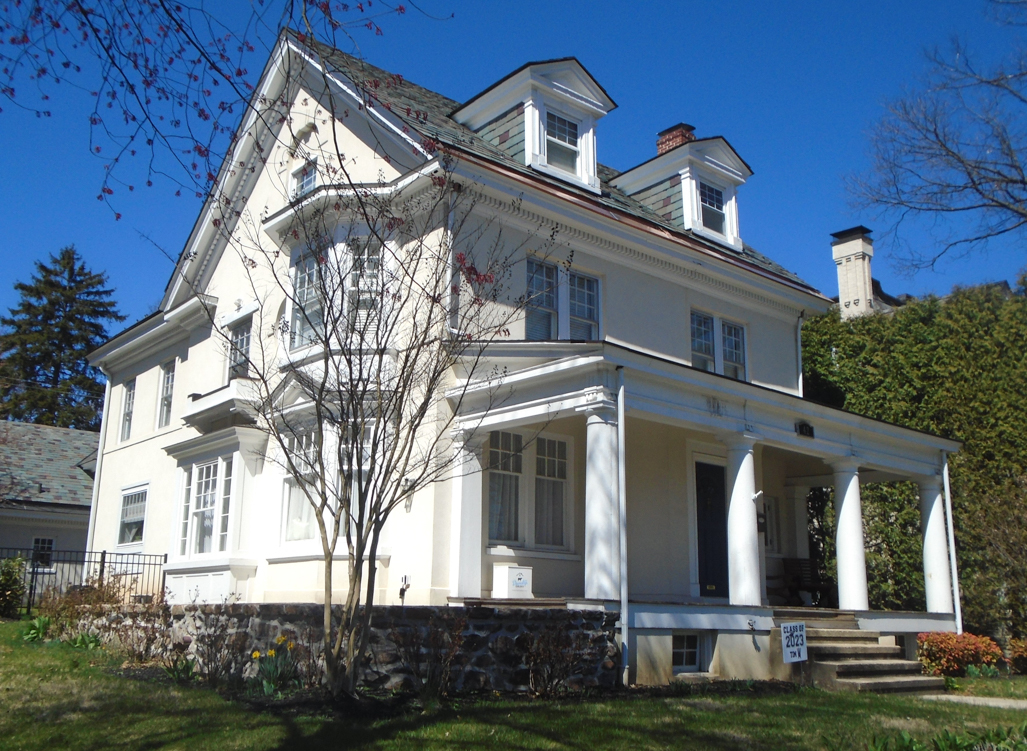
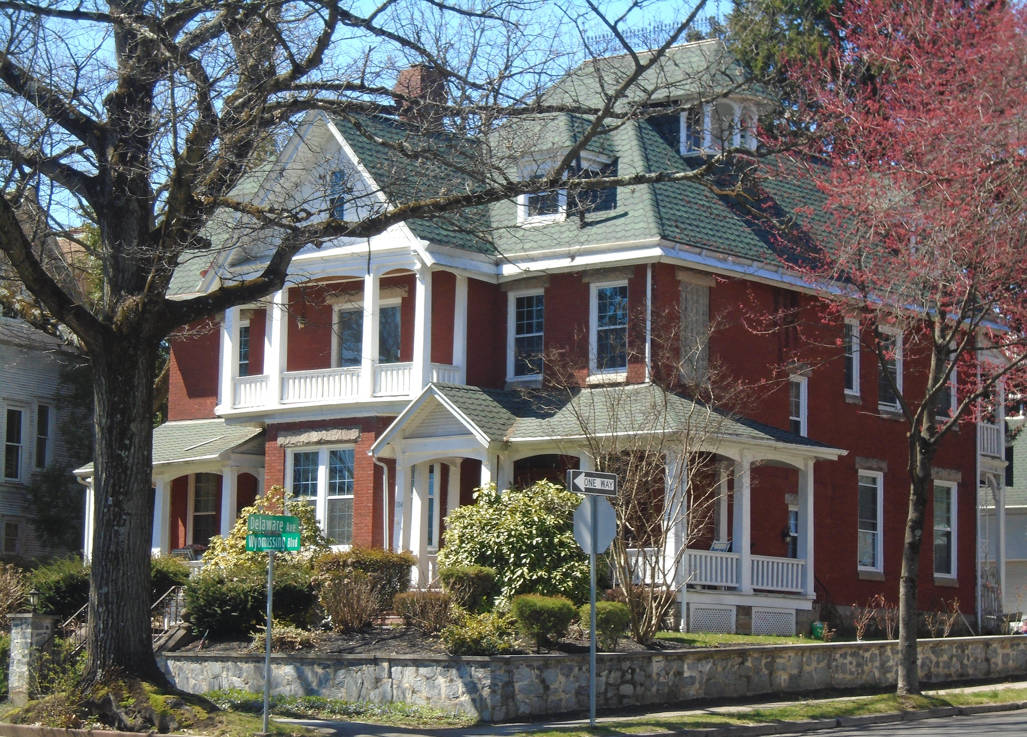
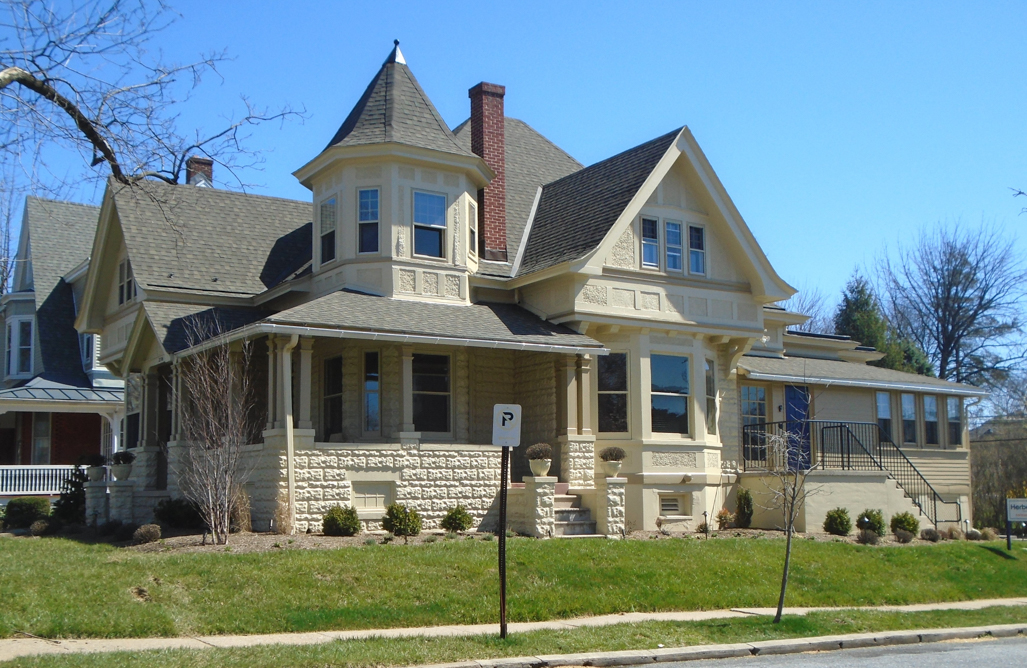
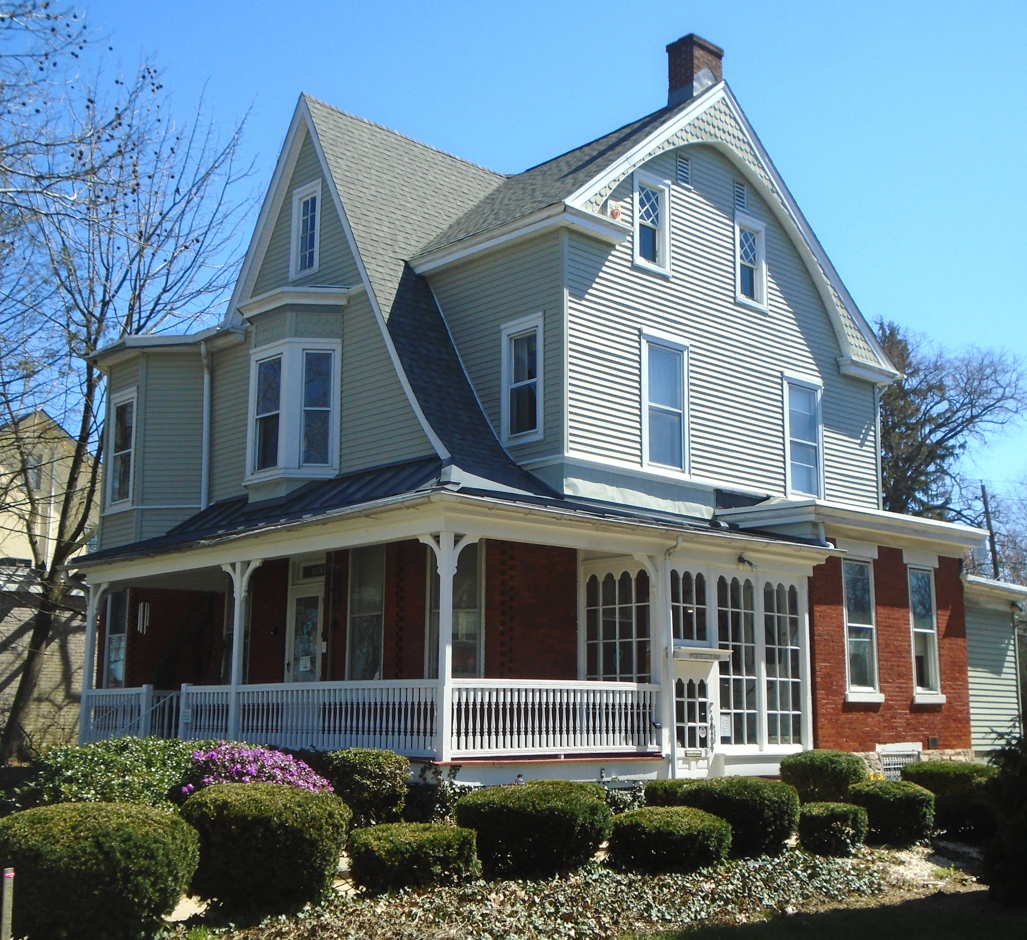
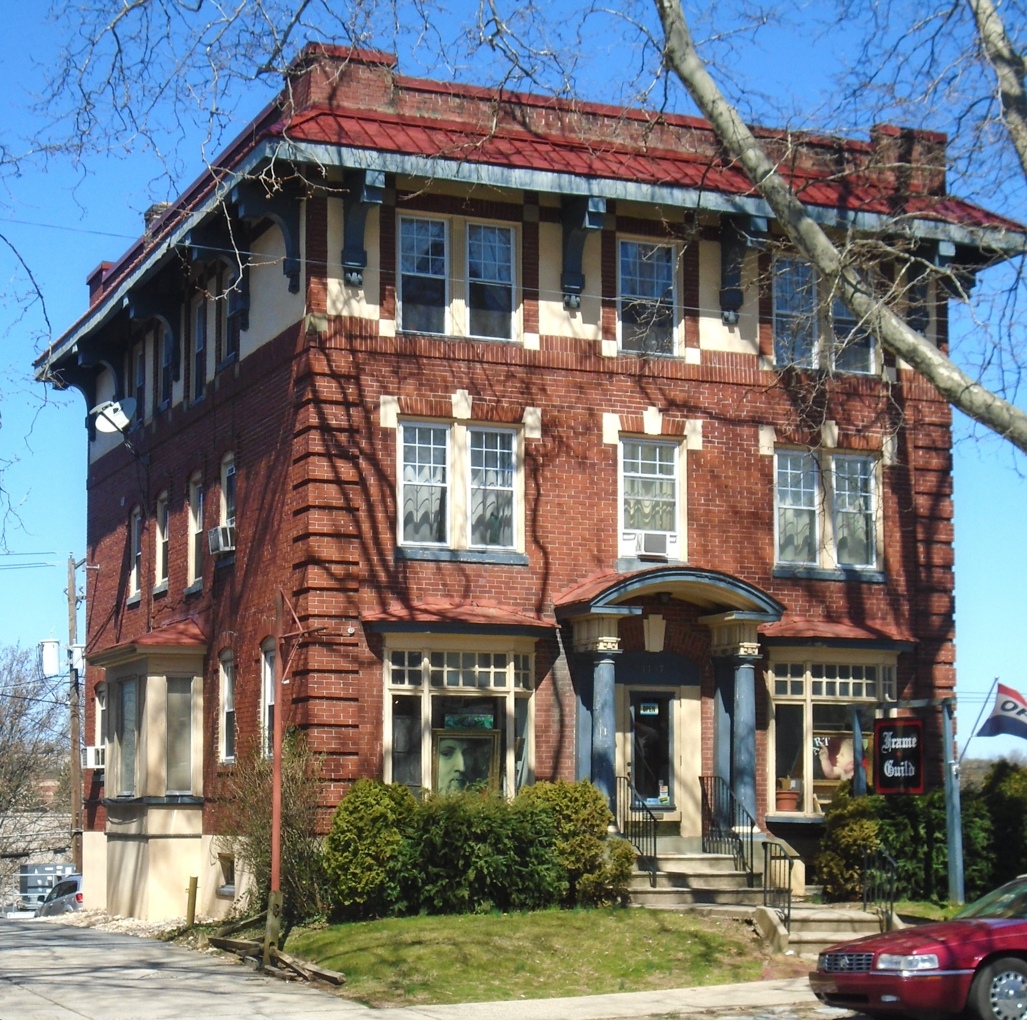
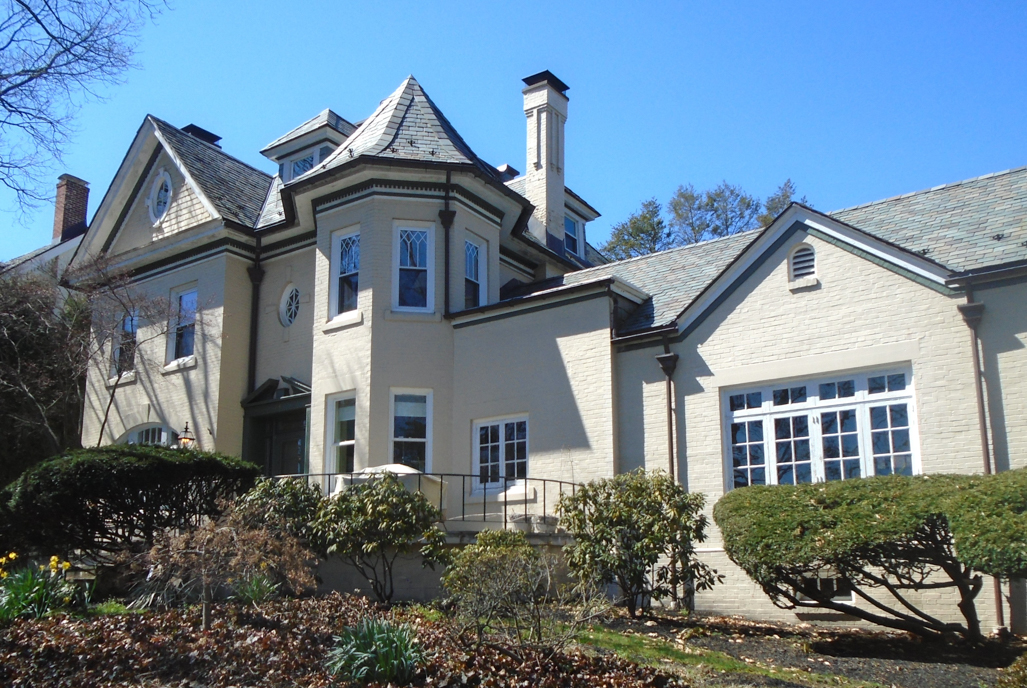
PH177) of the previous generation, called for greater density near the existing village, then shifted toward greater openness and larger houses near the recreational amenity of the creek valley that occupies the center of the site. Individual residential clusters were branded by names that coordinated with the streets. The district remains an immensely successful car-centered suburb that is dotted with post–World War I housing in a variety of historical styles ranging from Tudor to Georgian.
Wyomissing
1917, Werner Hegemann and Elbert Peets, planners. Penn Ave. and Wyomissing Blvd., West Reading