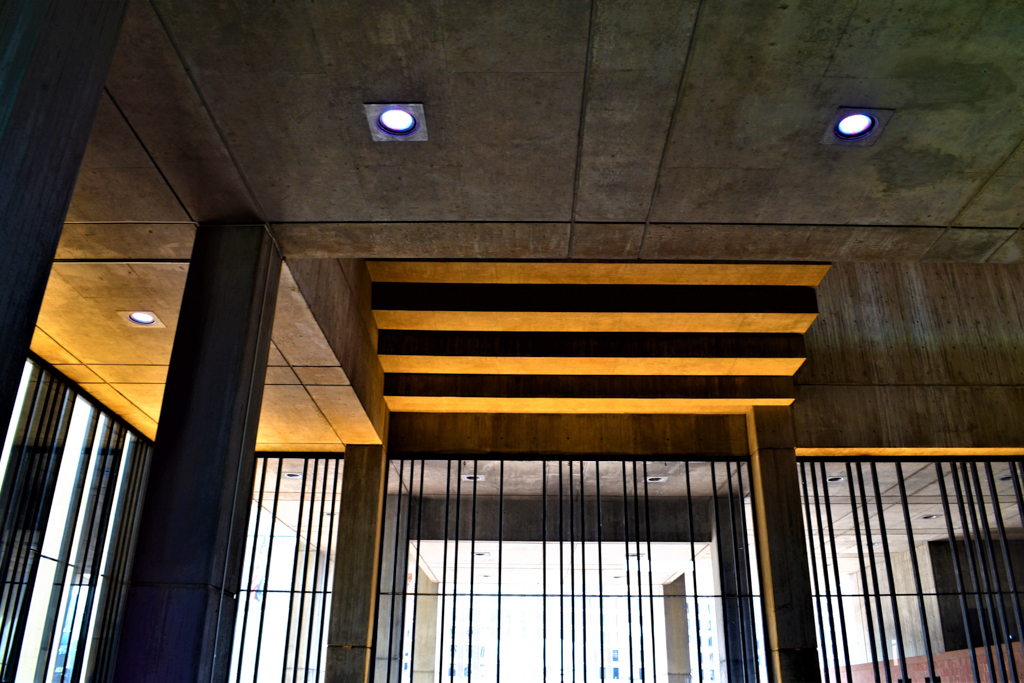
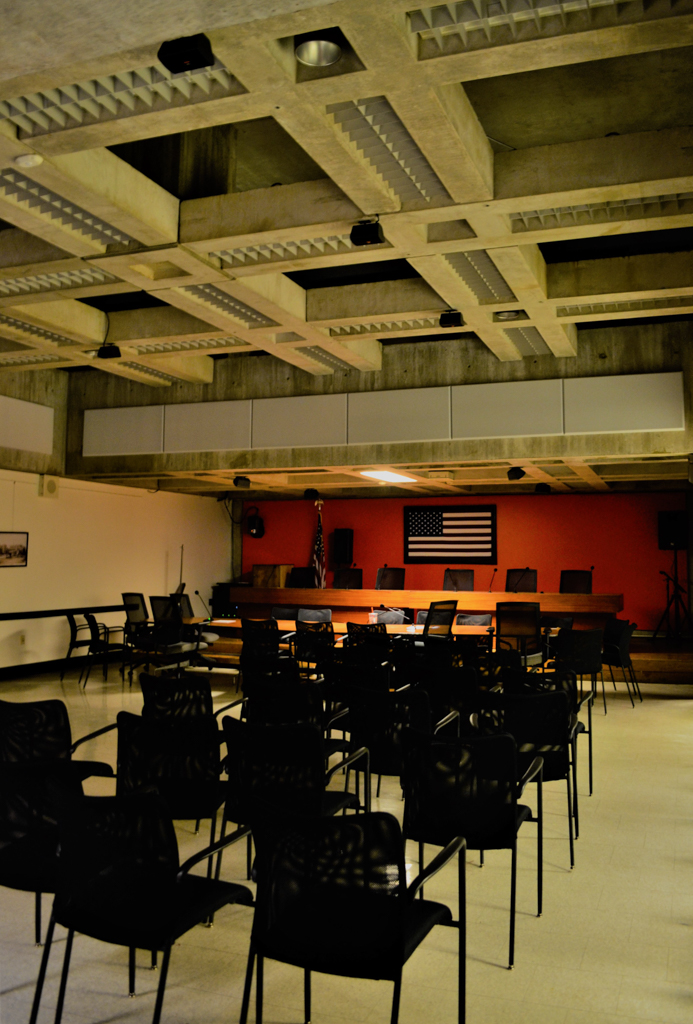
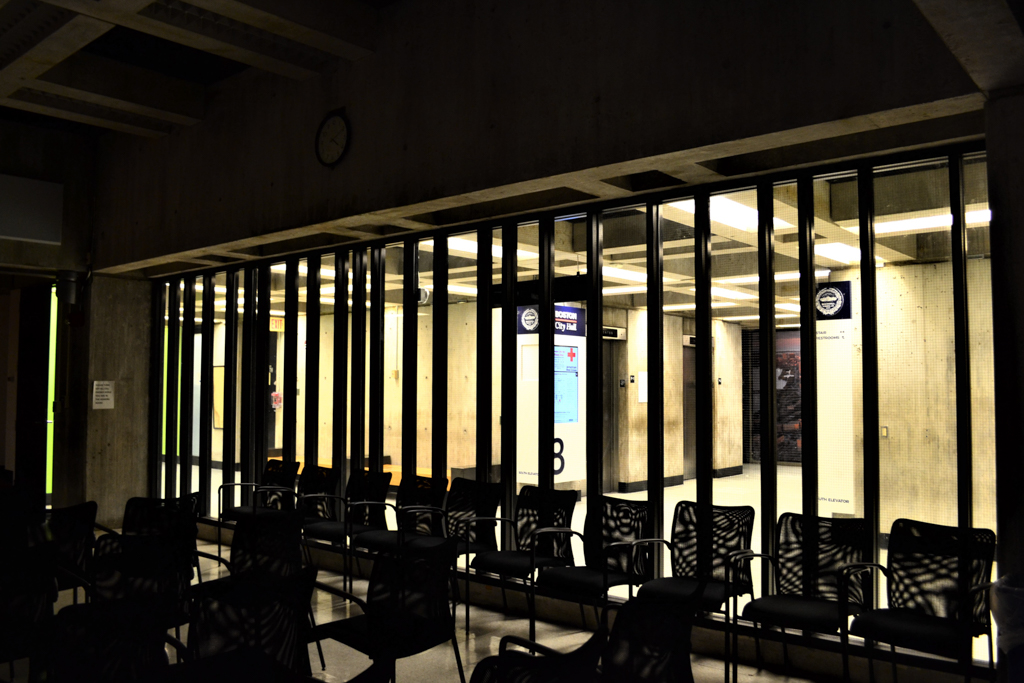
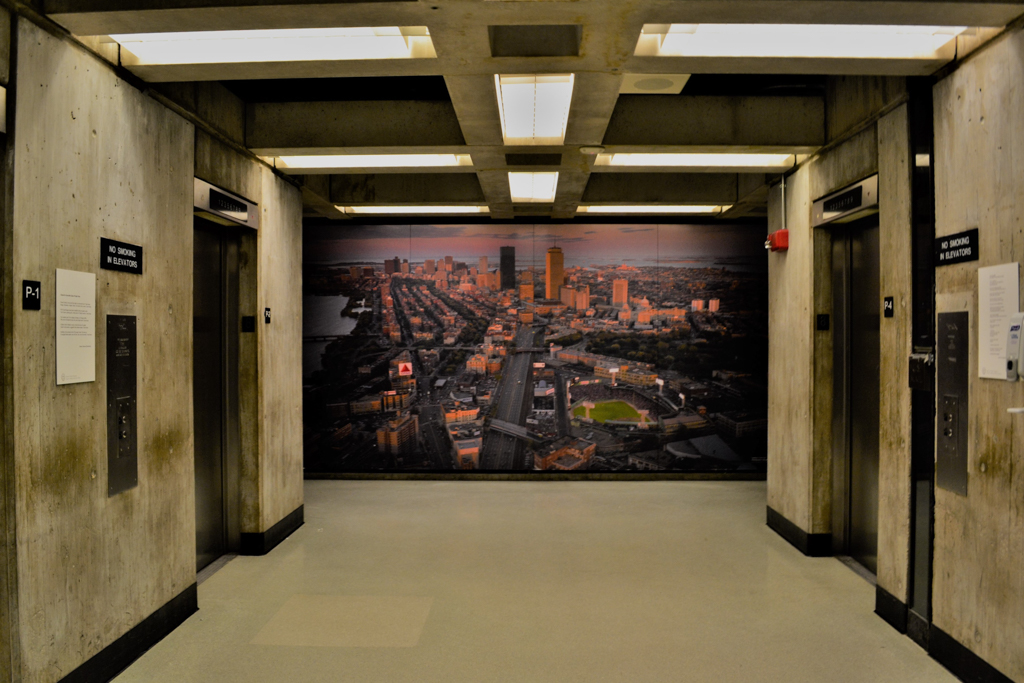
Boston City Hall

Boston City Hall

Boston City Hall Peter Vanderwarker or Antonina Smith

Boston City Hall

Photo 2 of Boston City Hall Photo 3 of Boston City Hall Photo 4 of Boston City Hall Photo 5 of Boston City Hall Photo 6 of Boston City Hall Photo 7 of Boston City Hall Photo 8 of Boston City Hall Photo 9 of Boston City Hall Photo 10 of Boston City Hall Photo 11 of Boston City Hall Photo 12 of Boston City Hall Photo 13 of Boston City Hall Photo 14 of Boston City Hall Photo 15 of Boston City Hall Photo 16 of Boston City Hall Photo 17 of Boston City Hall Photo 18 of Boston City Hall Photo 19 of Boston City Hall Photo 20 of Boston City Hall Photo 21 of Boston City Hall Photo 22 of Boston City Hall Photo 23 of Boston City Hall Photo 24 of Boston City Hall Photo 25 of Boston City Hall Photo 26 of Boston City Hall Photo 27 of Boston City Hall Photo 28 of Boston City Hall Photo 29 of Boston City Hall Photo 30 of Boston City Hall Photo 31 of Boston City Hall Photo 32 of Boston City Hall
1968, Kallmann, McKinnell and Knowles. City Hall Plaza.

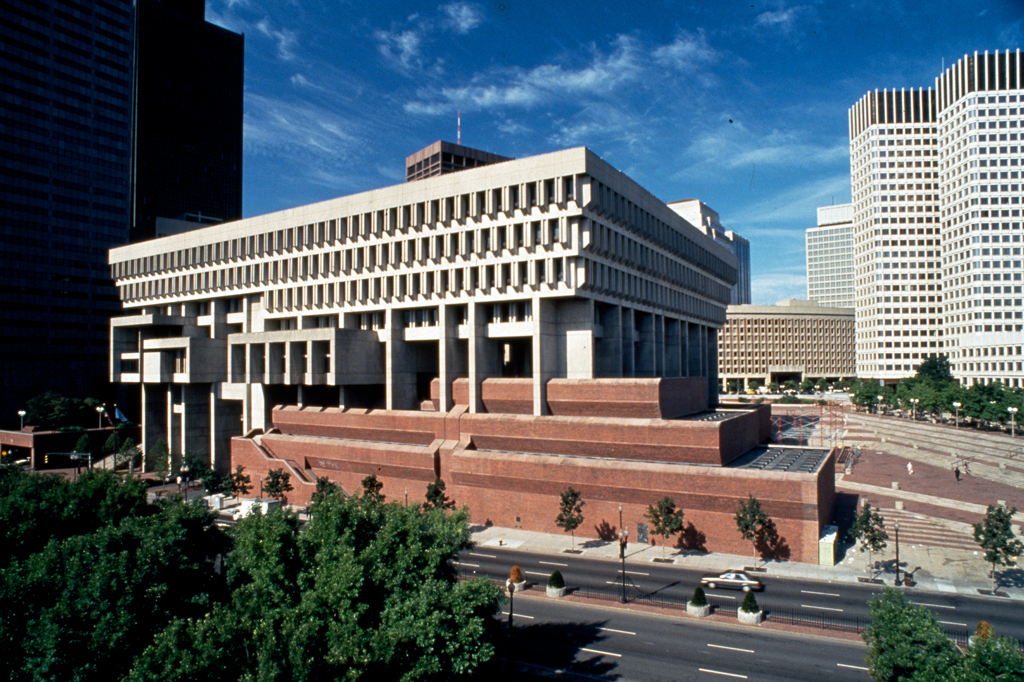
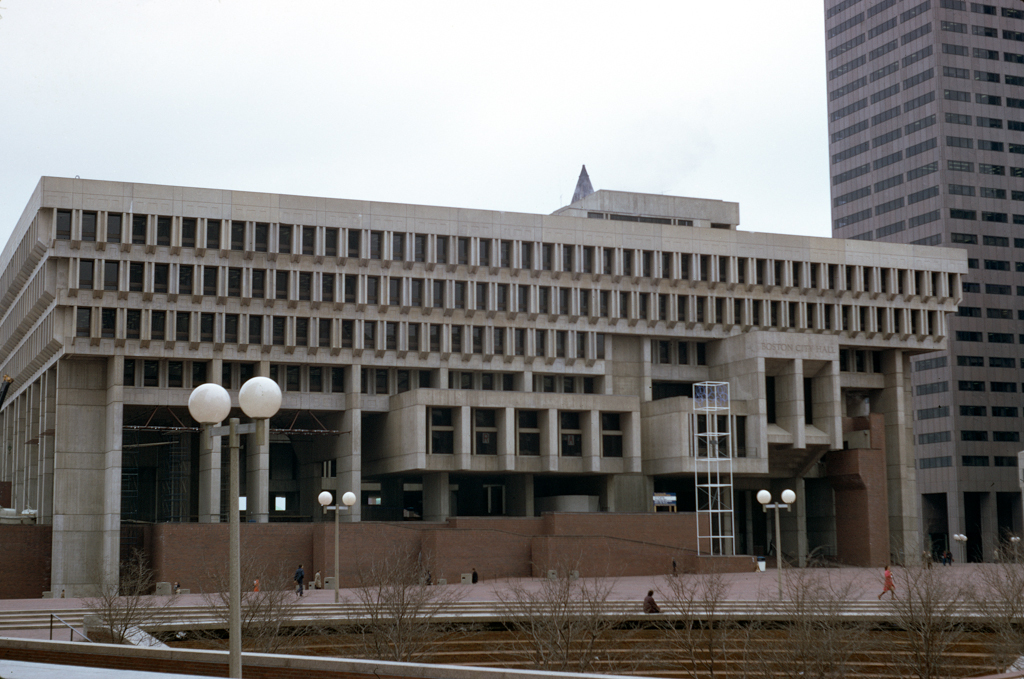
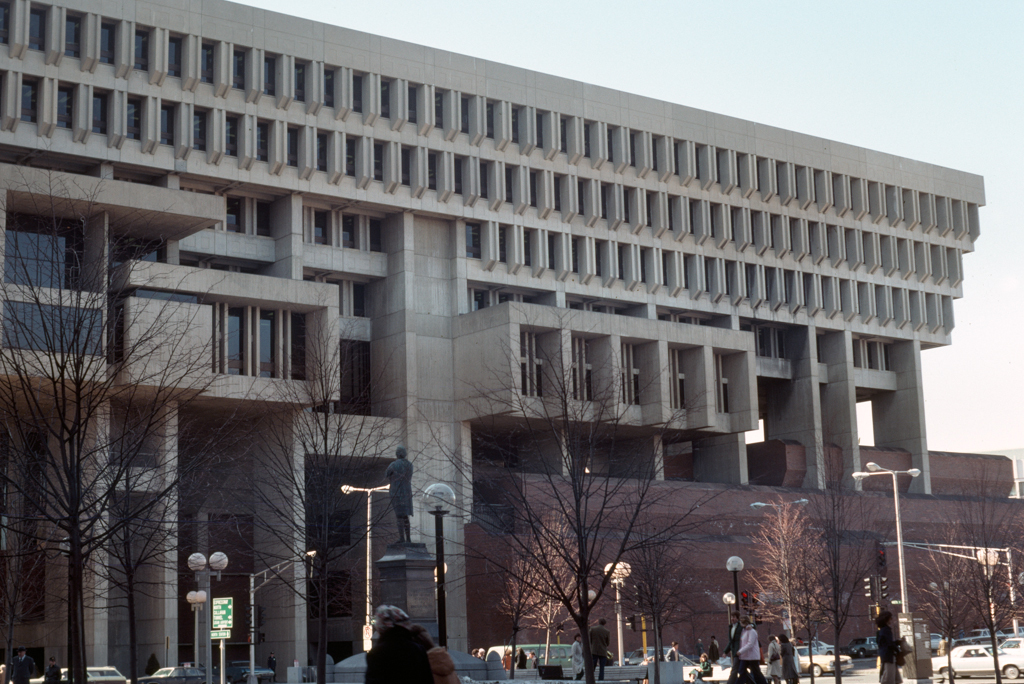
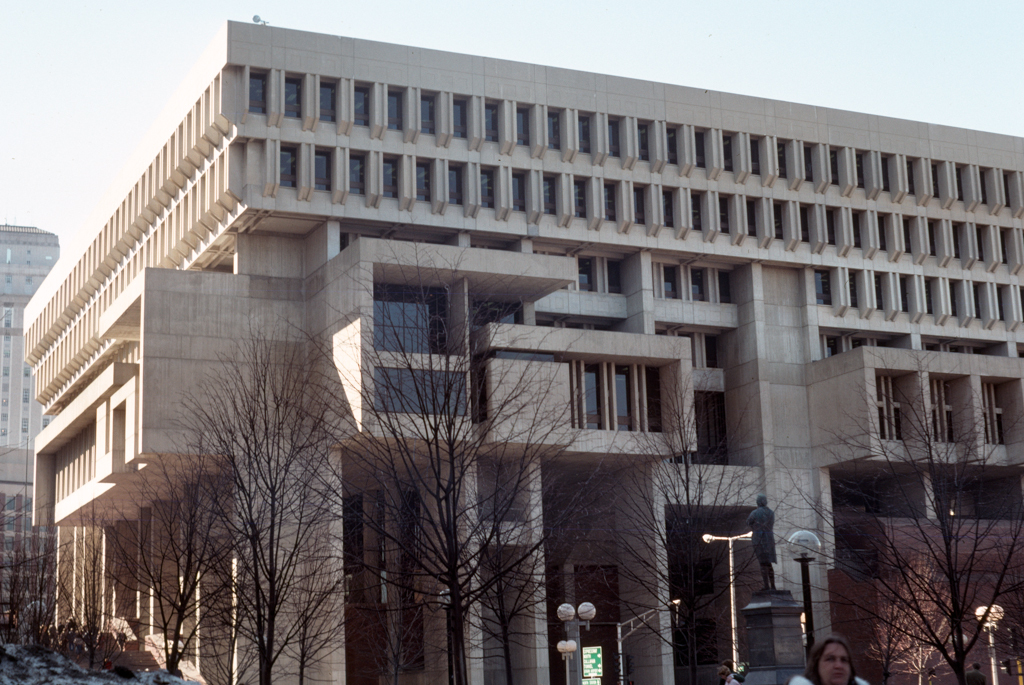
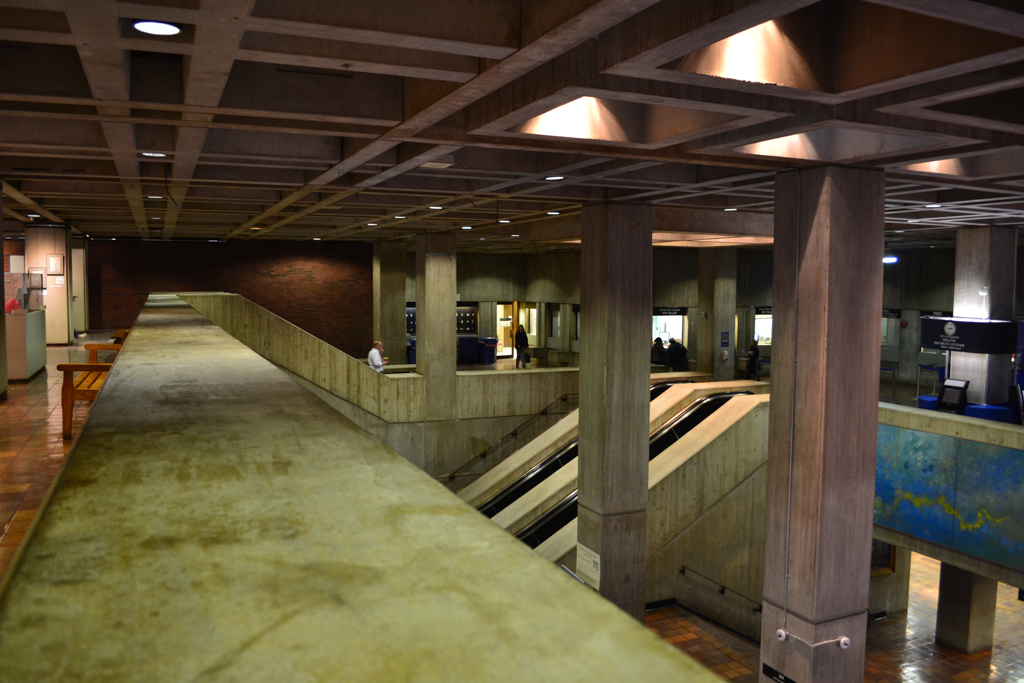
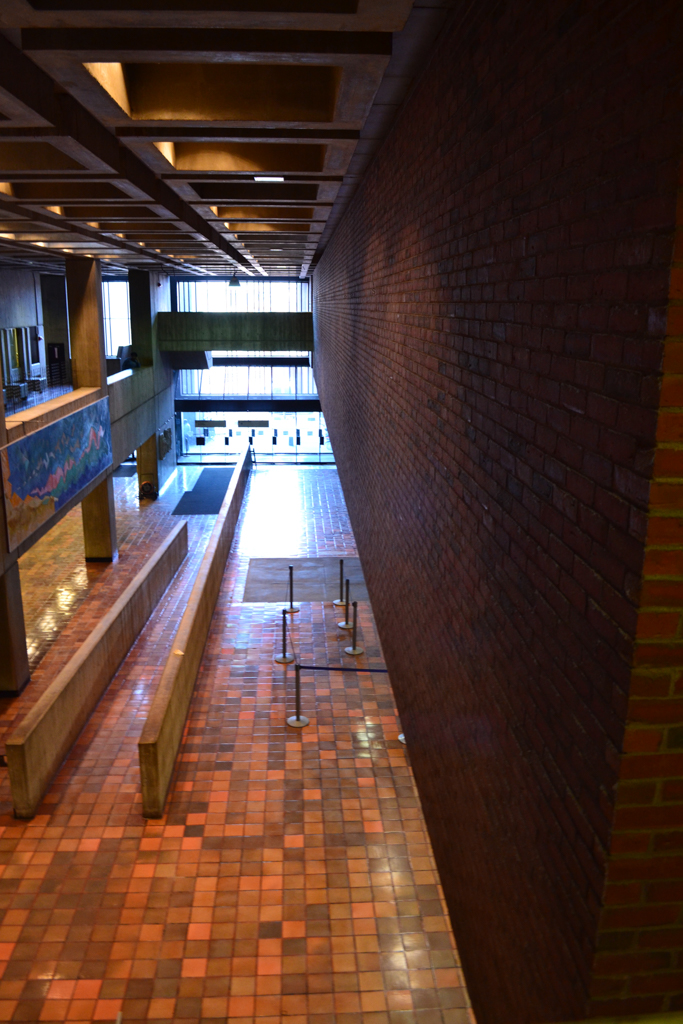
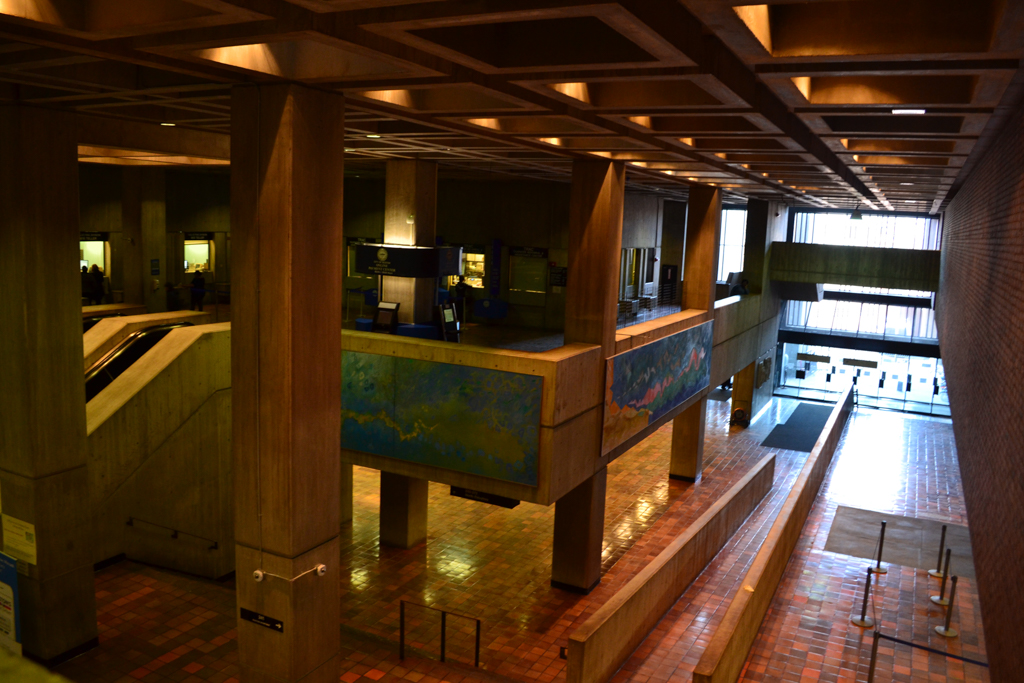
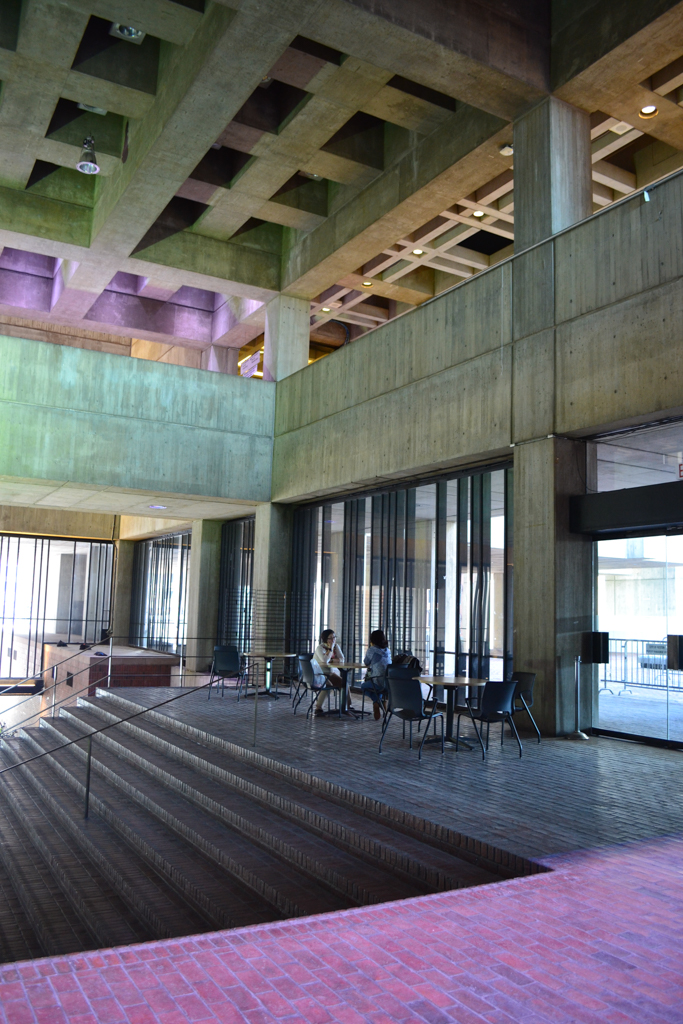
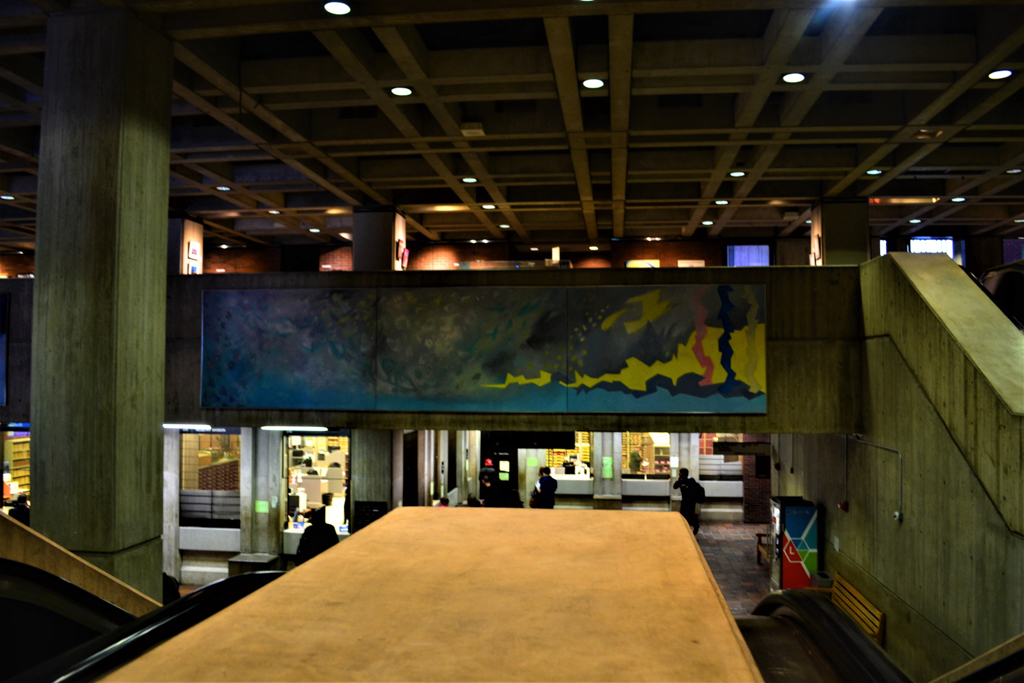
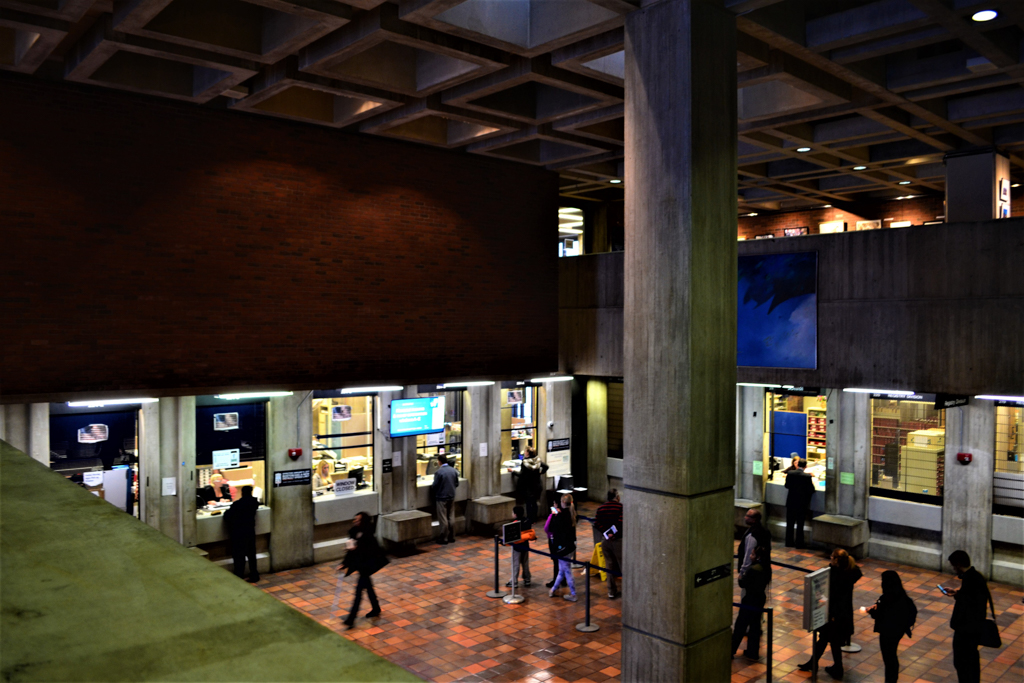
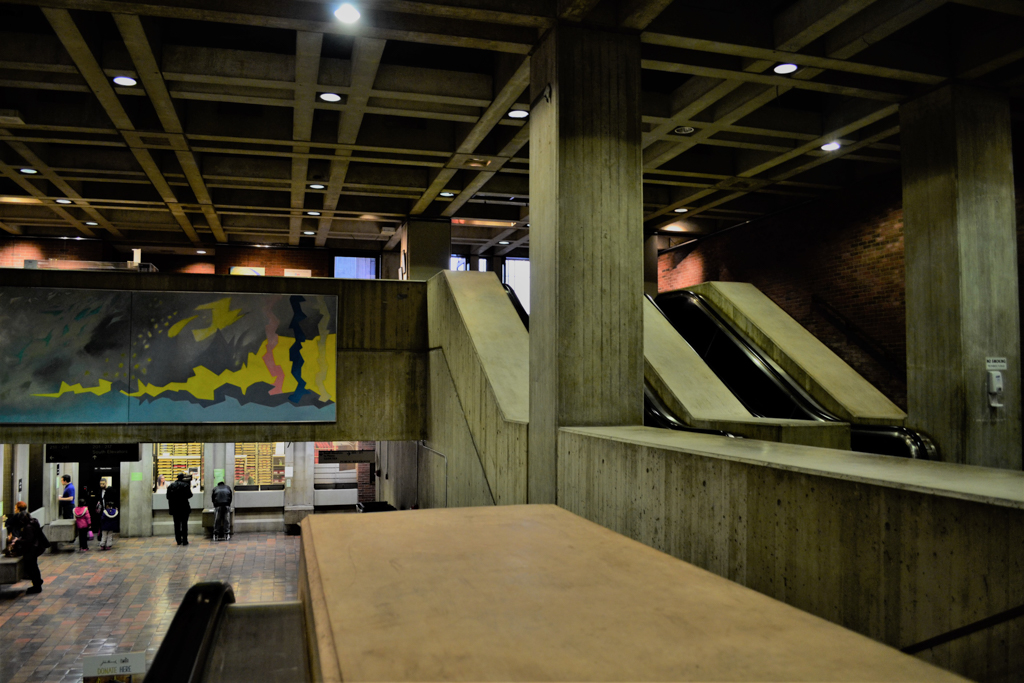
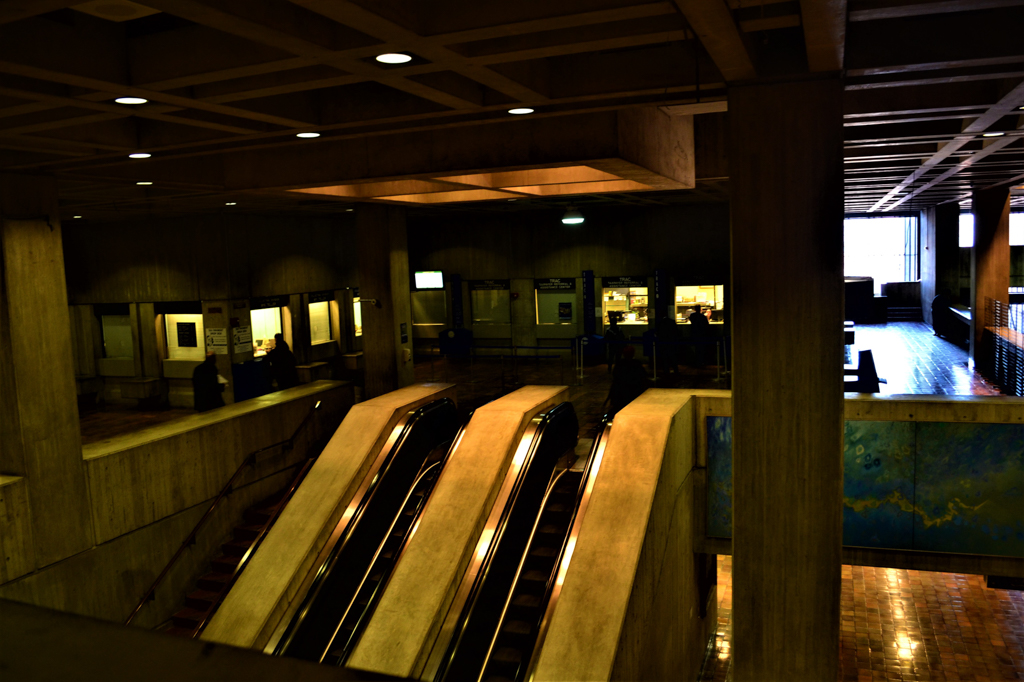
Winners of an open nationwide competition in 1962, the architects of the new City Hall introduced late modernism to Boston, creating a monumentality considered appropriate for municipal government. Their goals were admirable: to connect the principal parts of the city physically, psychologically, and visually to the machinery of civic services; to provide access to all; and, above all, to be a celebration of government.

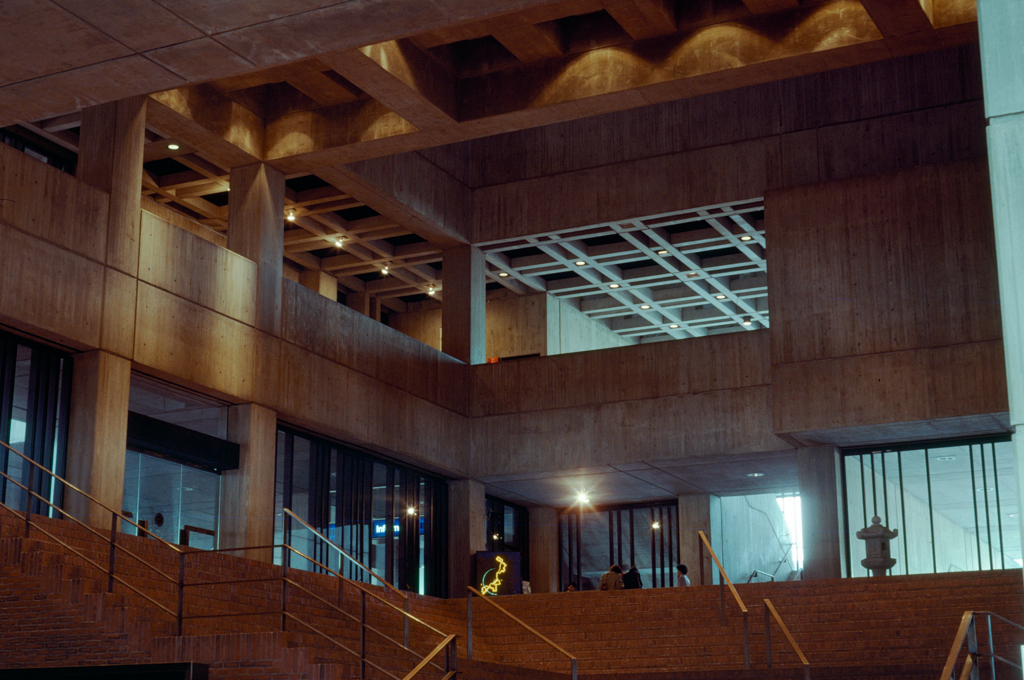
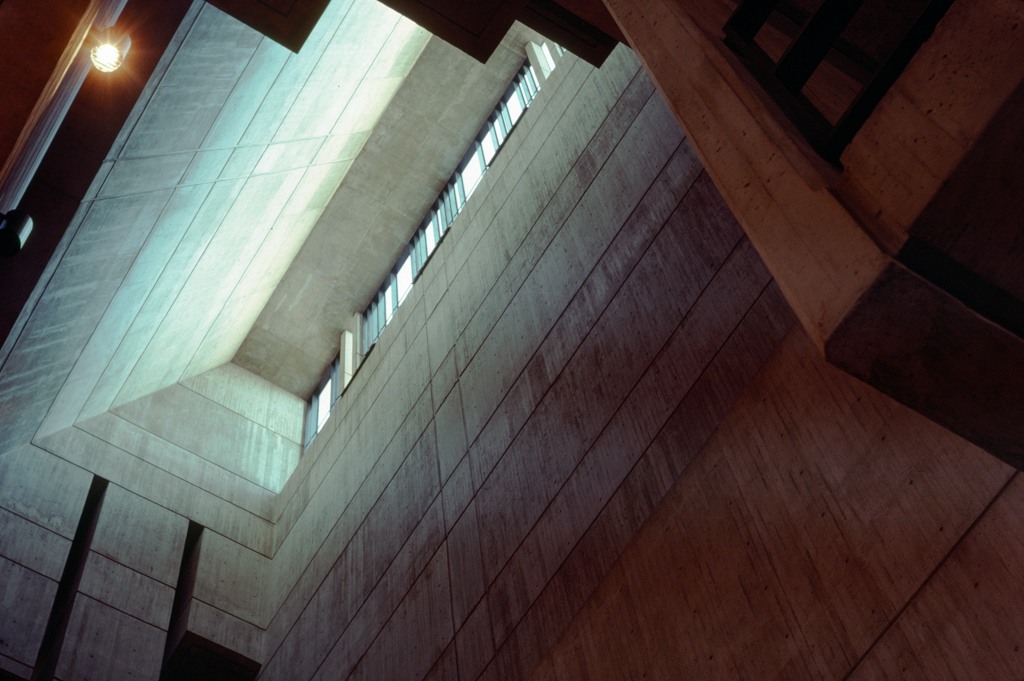
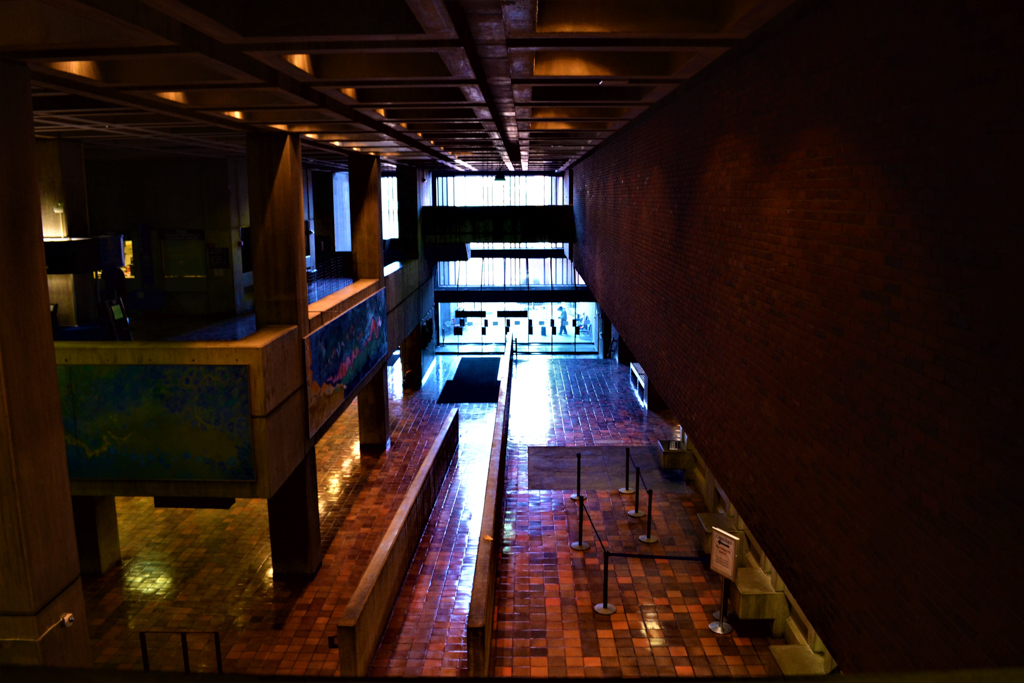
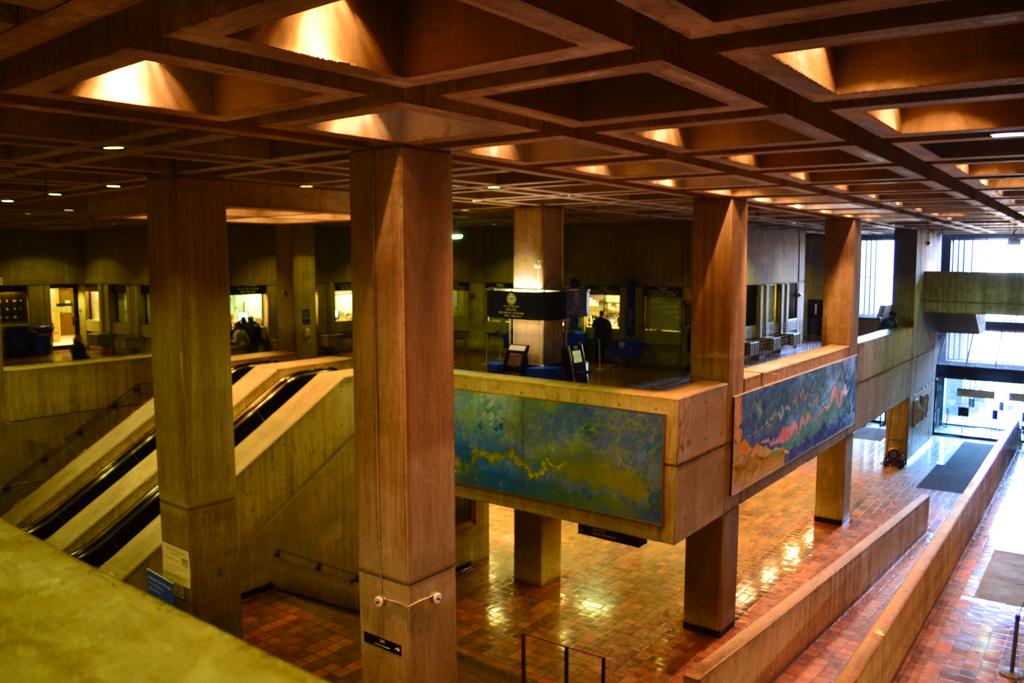
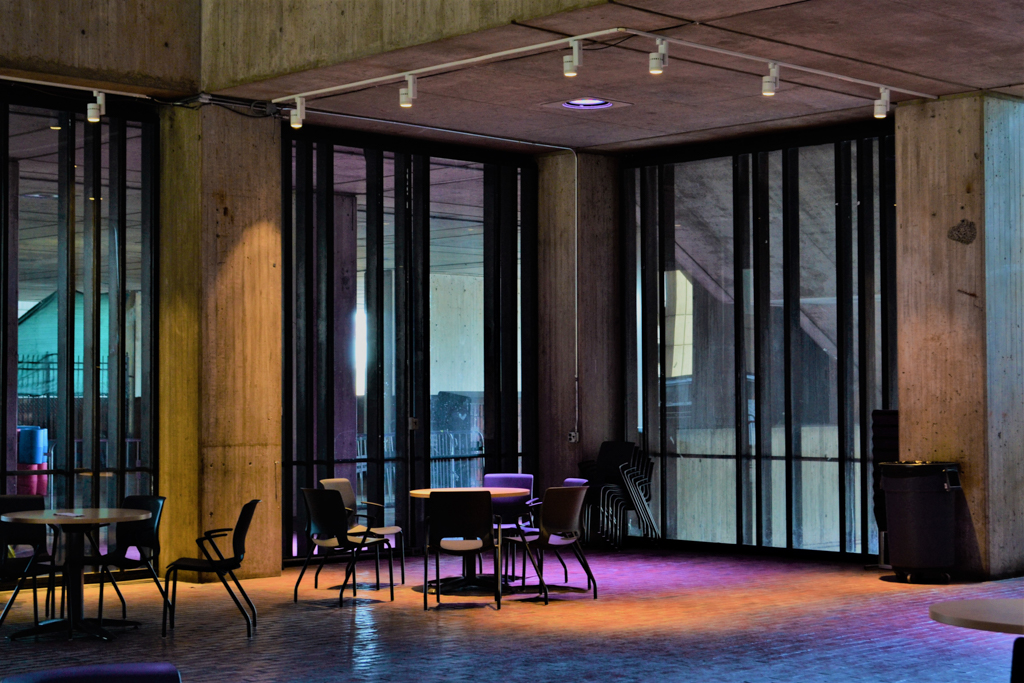
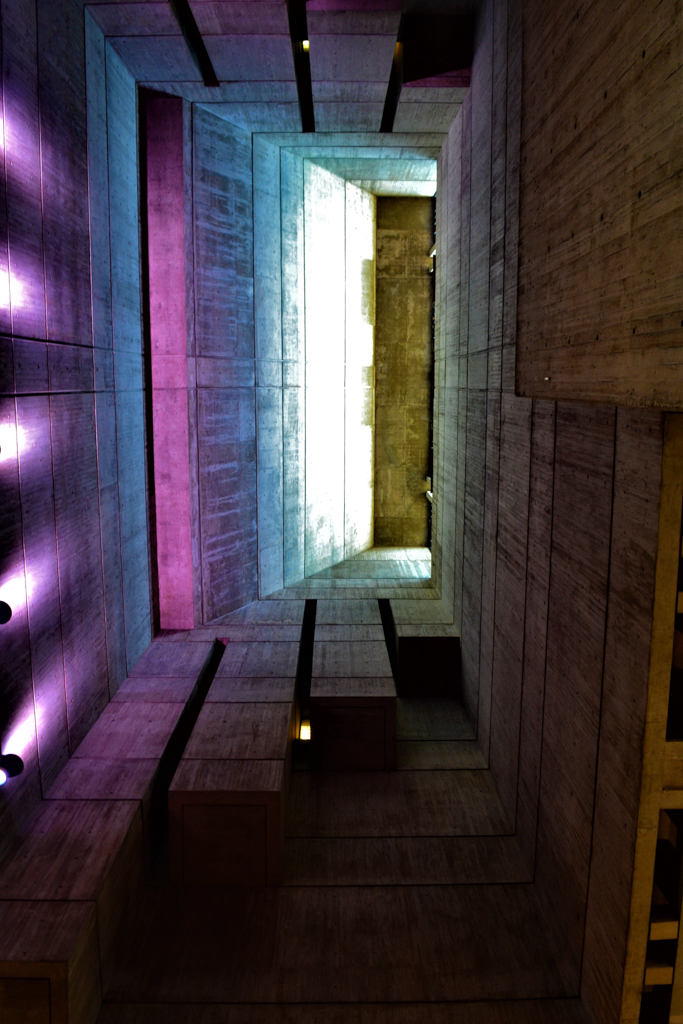
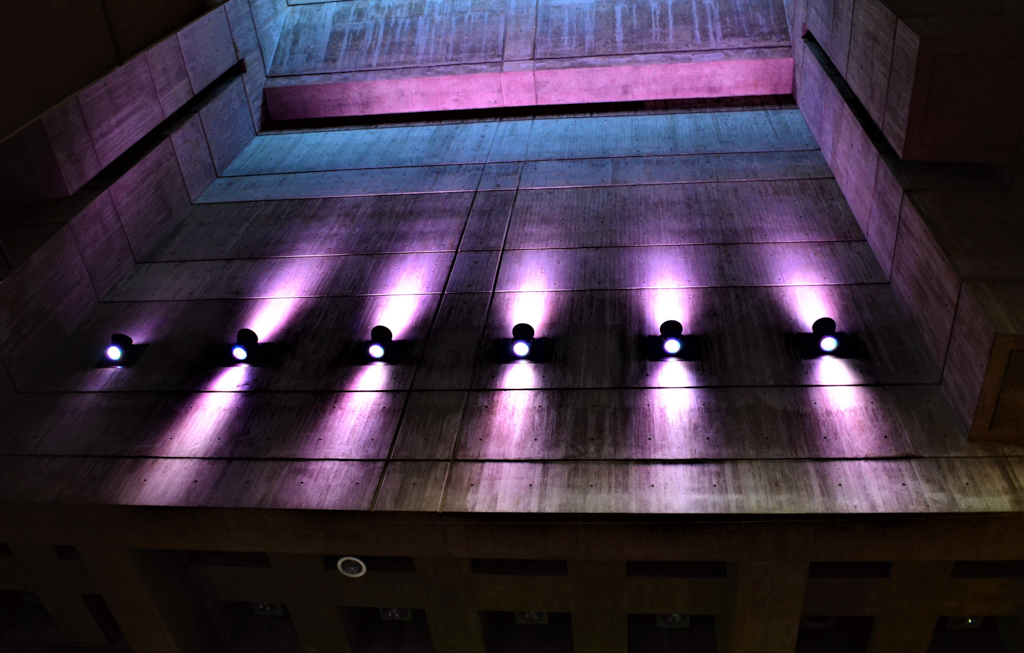
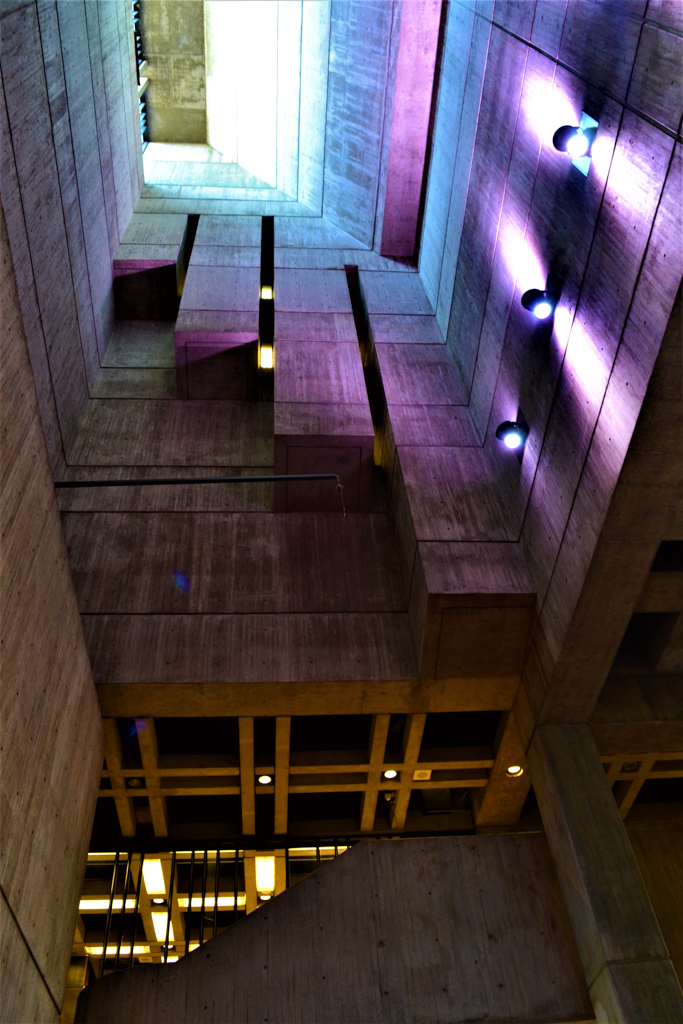
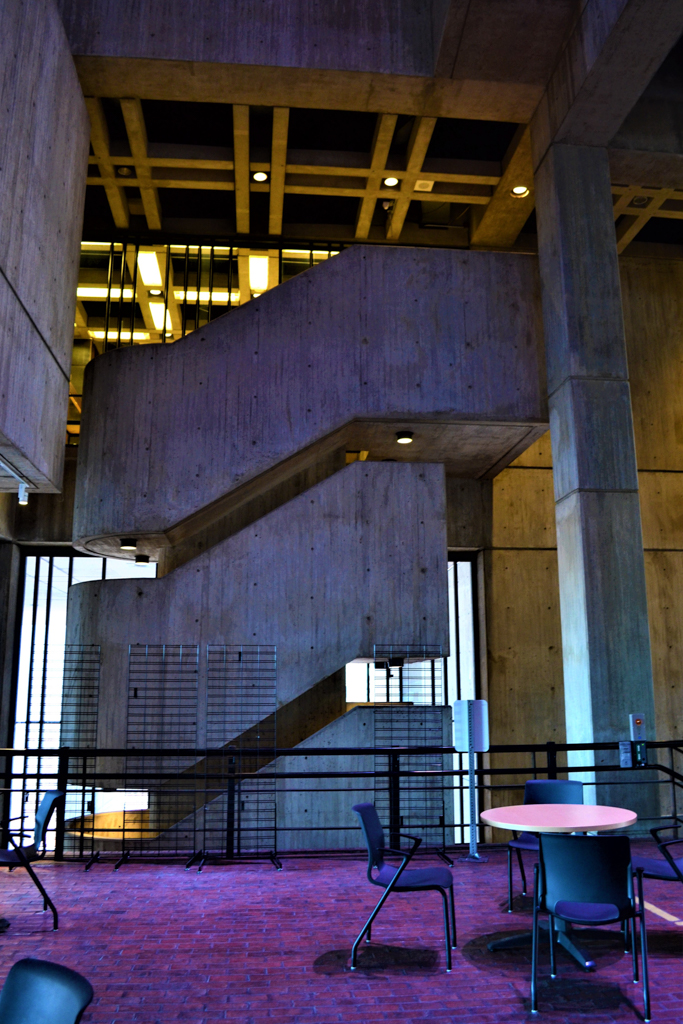
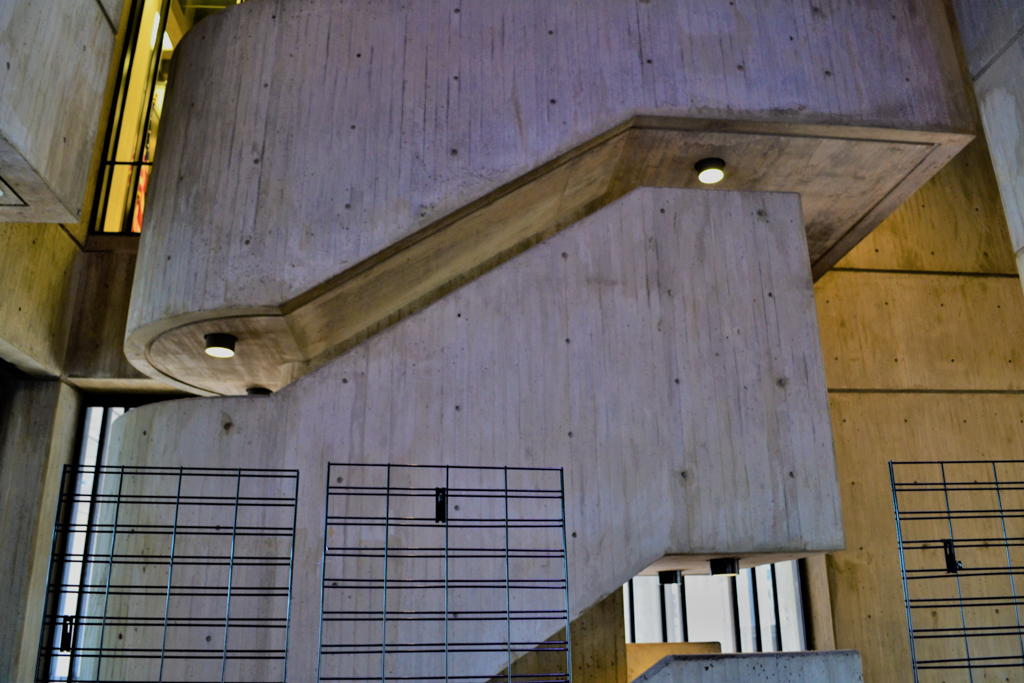
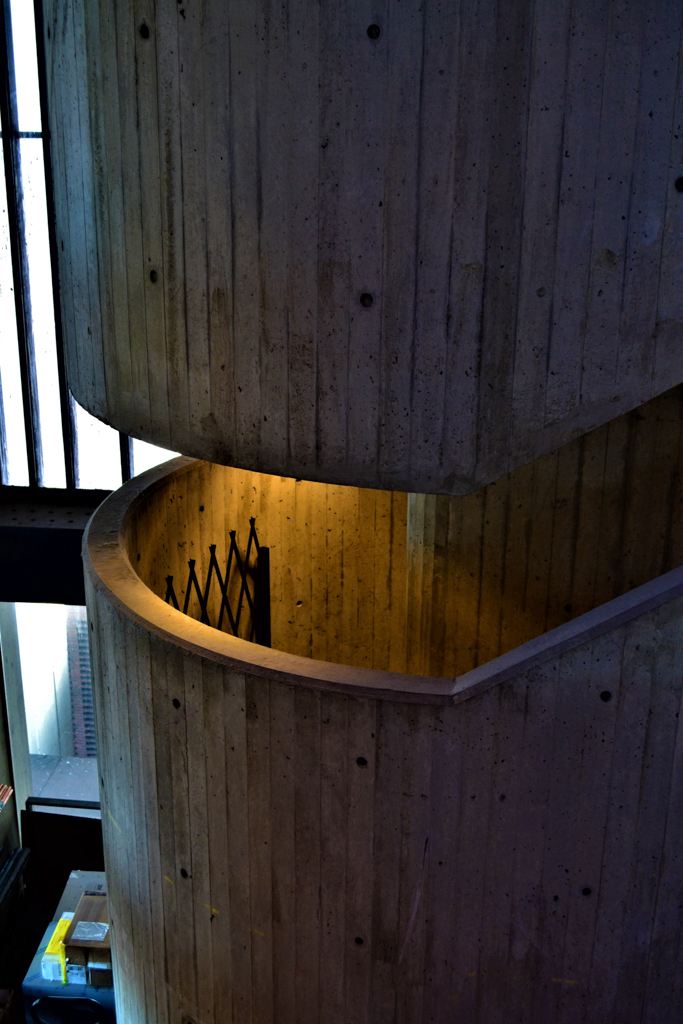
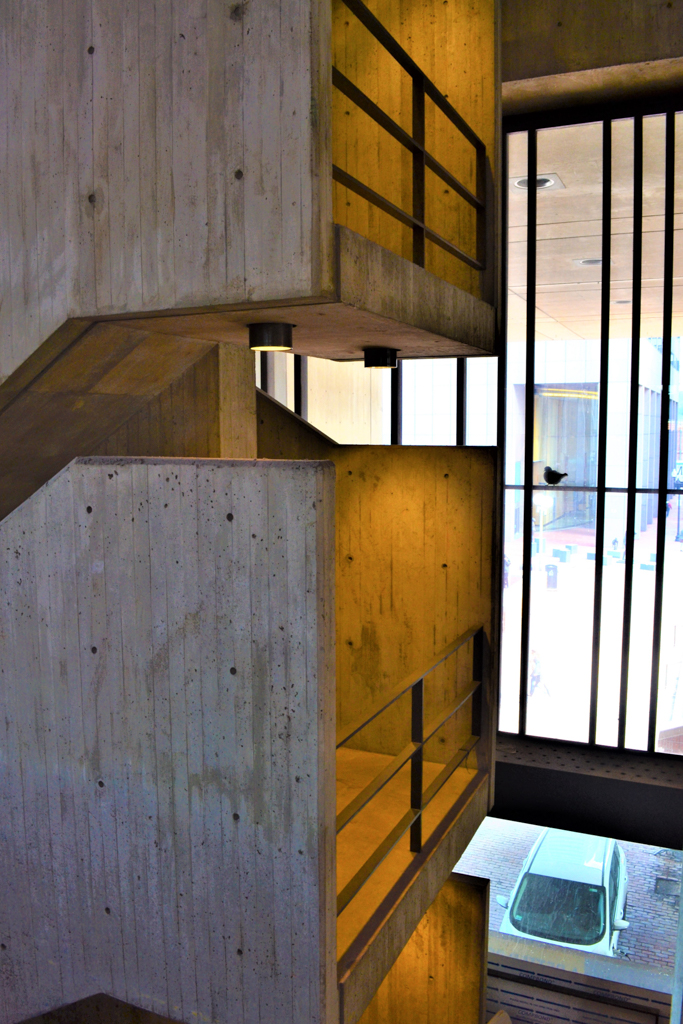
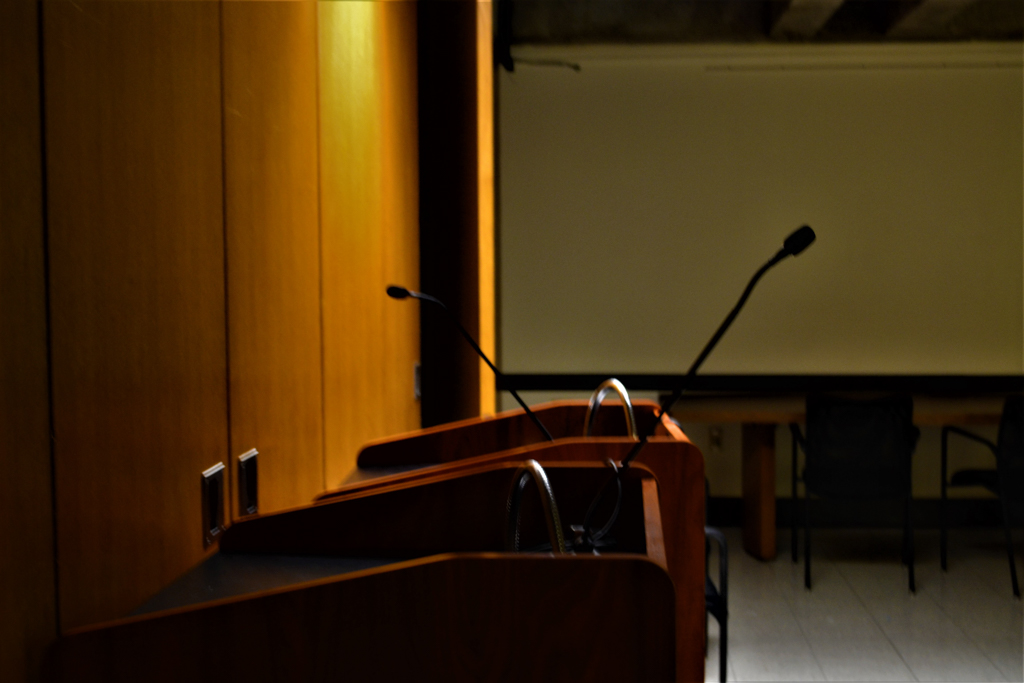
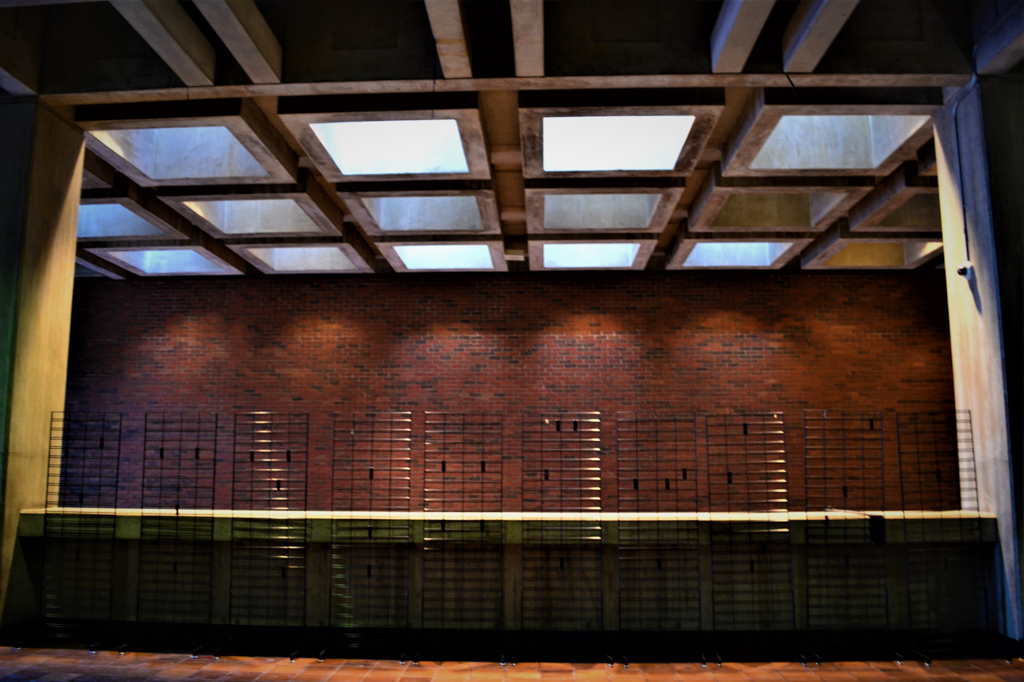
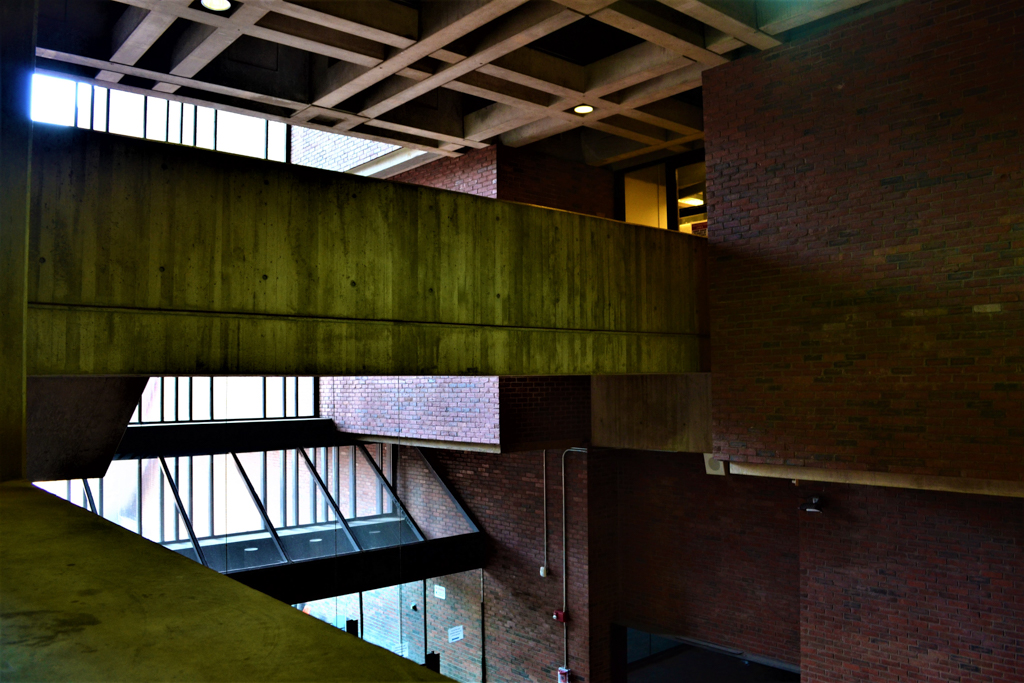
From a stylistic point of view, the massive concrete and brick structure was radical. Inspired by Le Corbusier's monastery at La Tourette near Lyon, France, the building's different parts articulate the workings of government. Interior functions are visible on the facade; the lower brick stories are tied to the plaza and to the urban fabric of Beacon Hill, making this the area most open to the public. Together with the enormous plaza, the central open skylit atrium was designed to act as a locus for grand civic commemorations. Upper stories divided by a modular grid reflect the bureaucratic nature of urban government. Between, one finds the wheels of operation, the mayor's office and the council chamber.

Writing Credits