

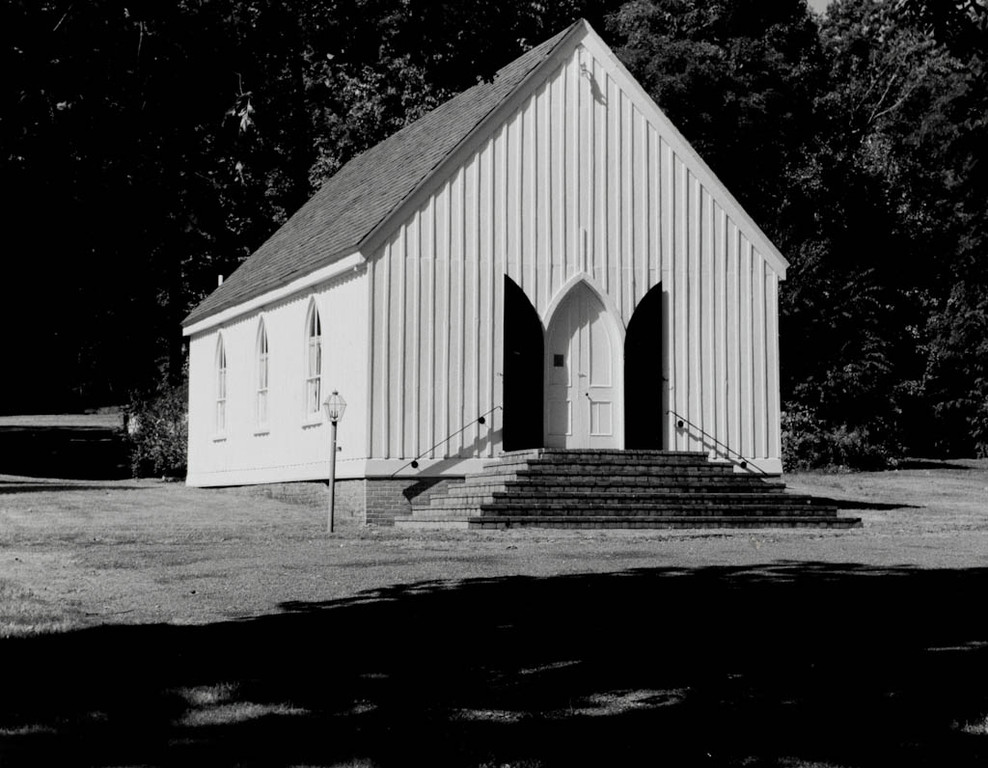
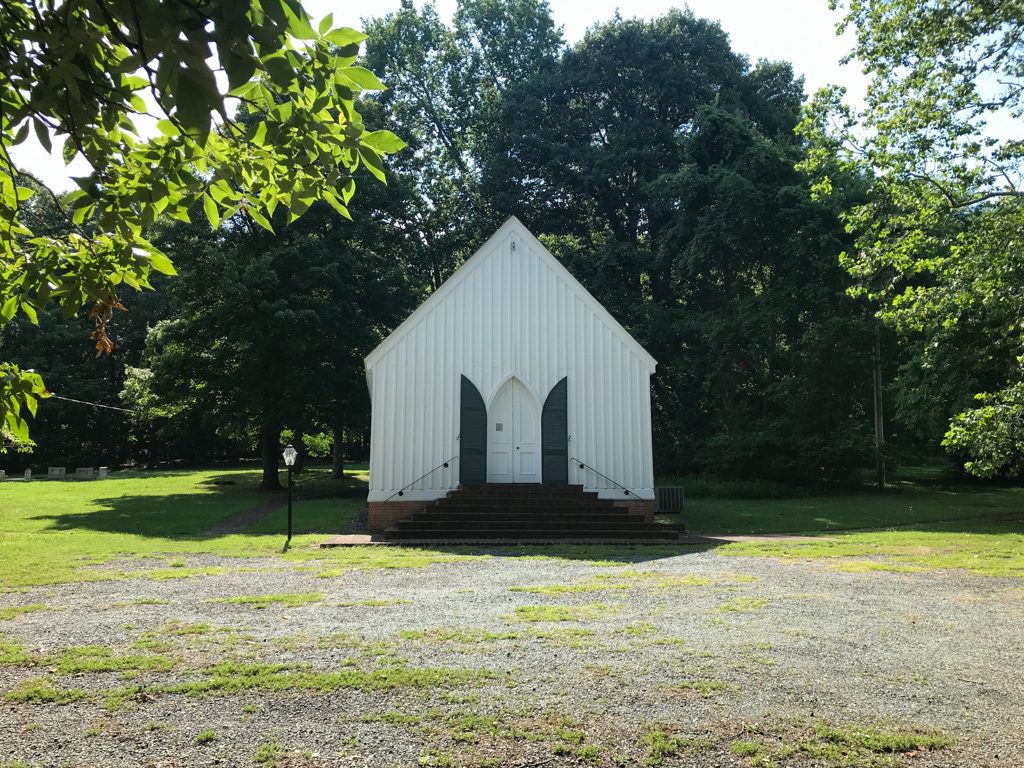
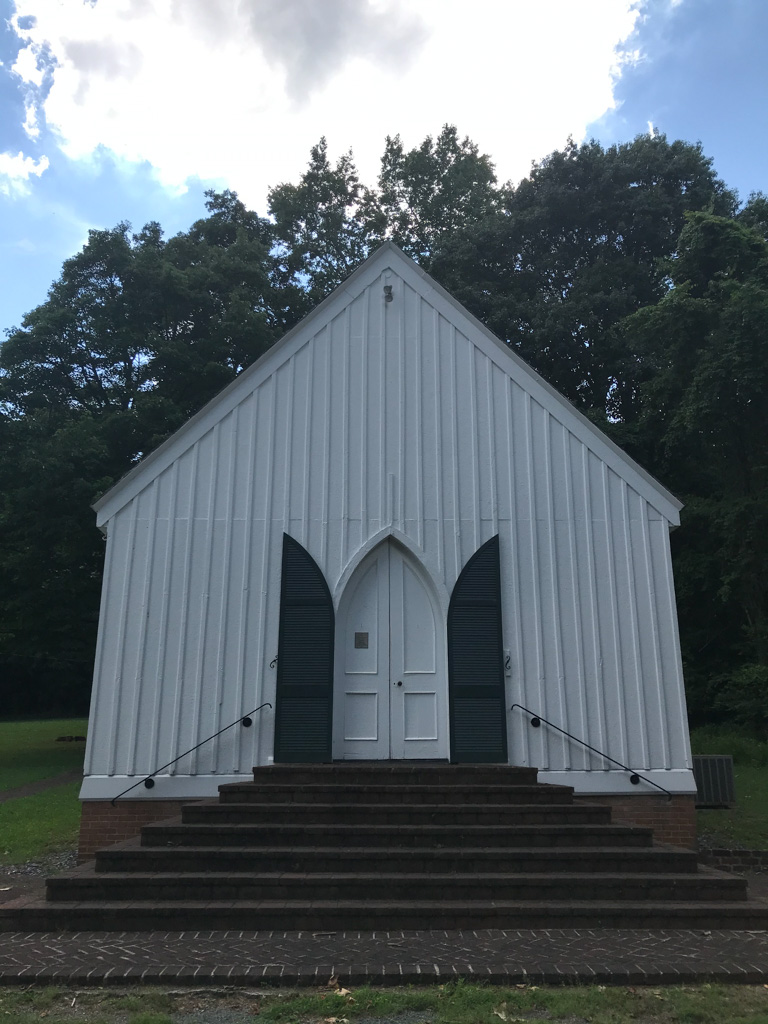
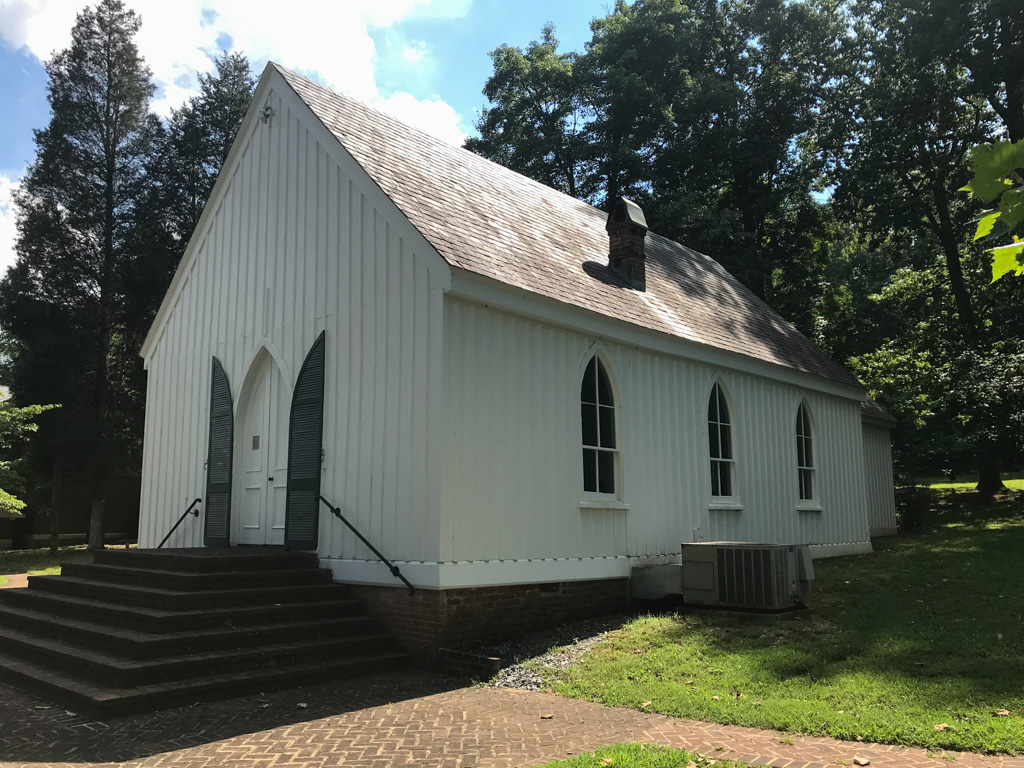
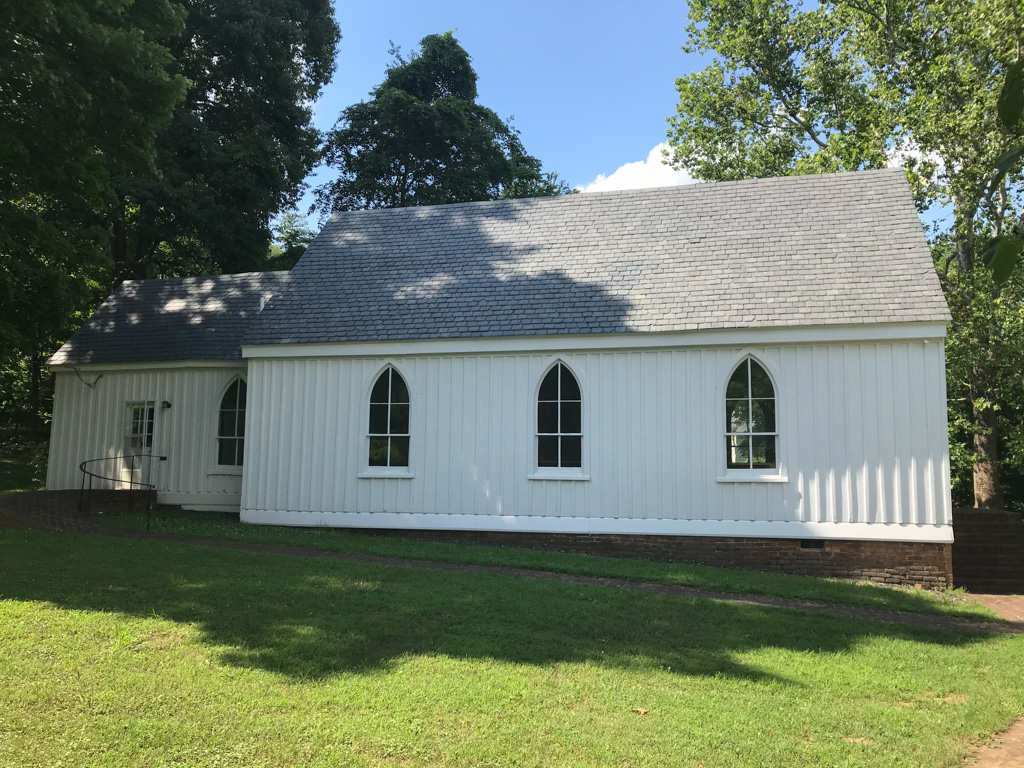
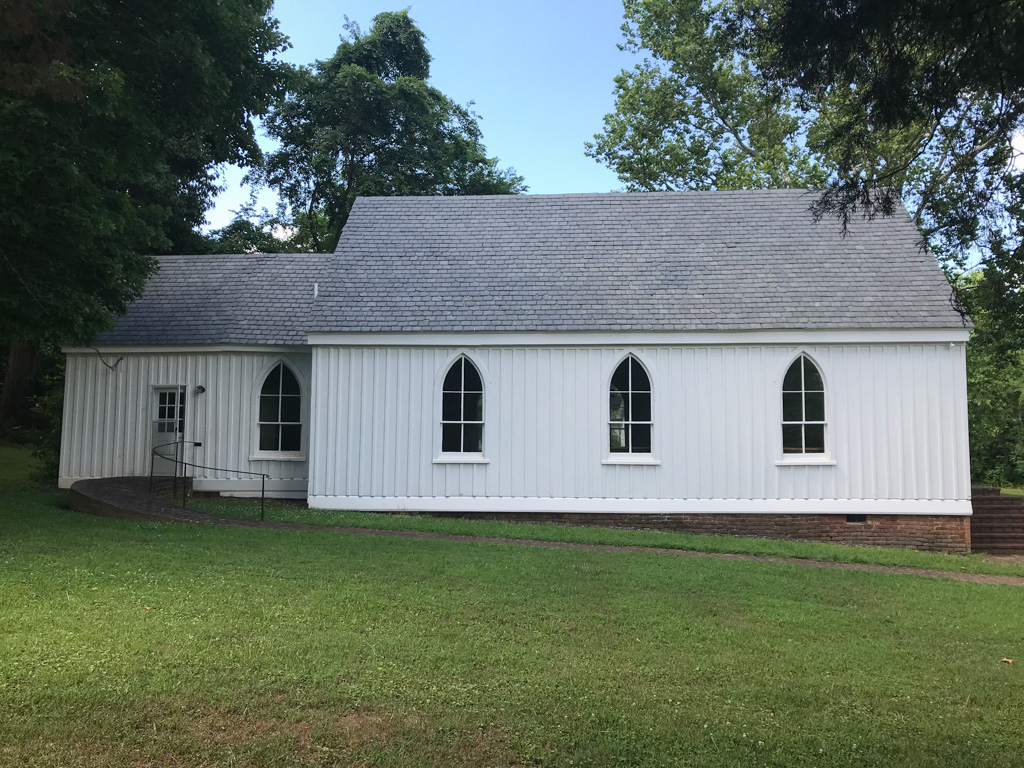
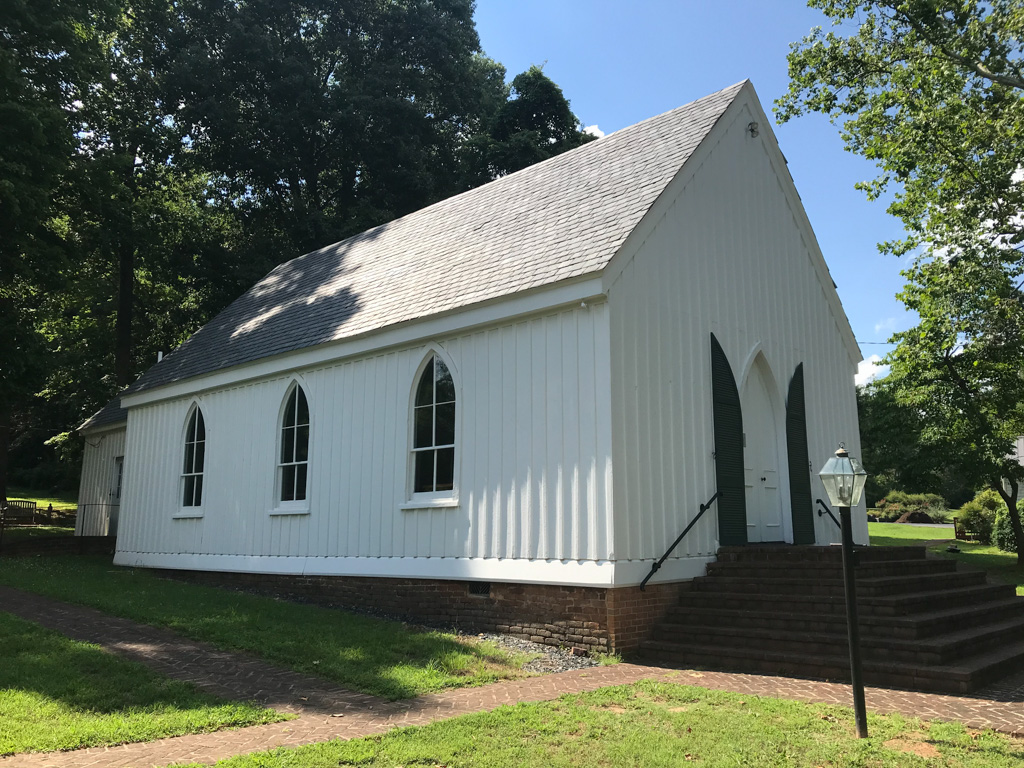
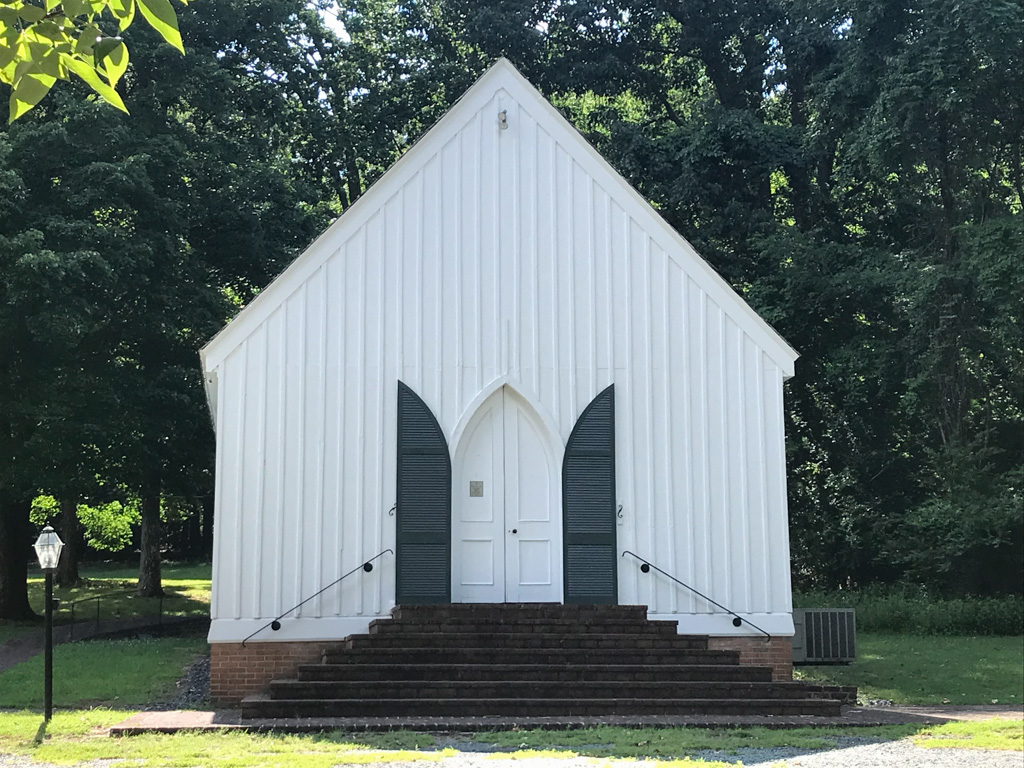
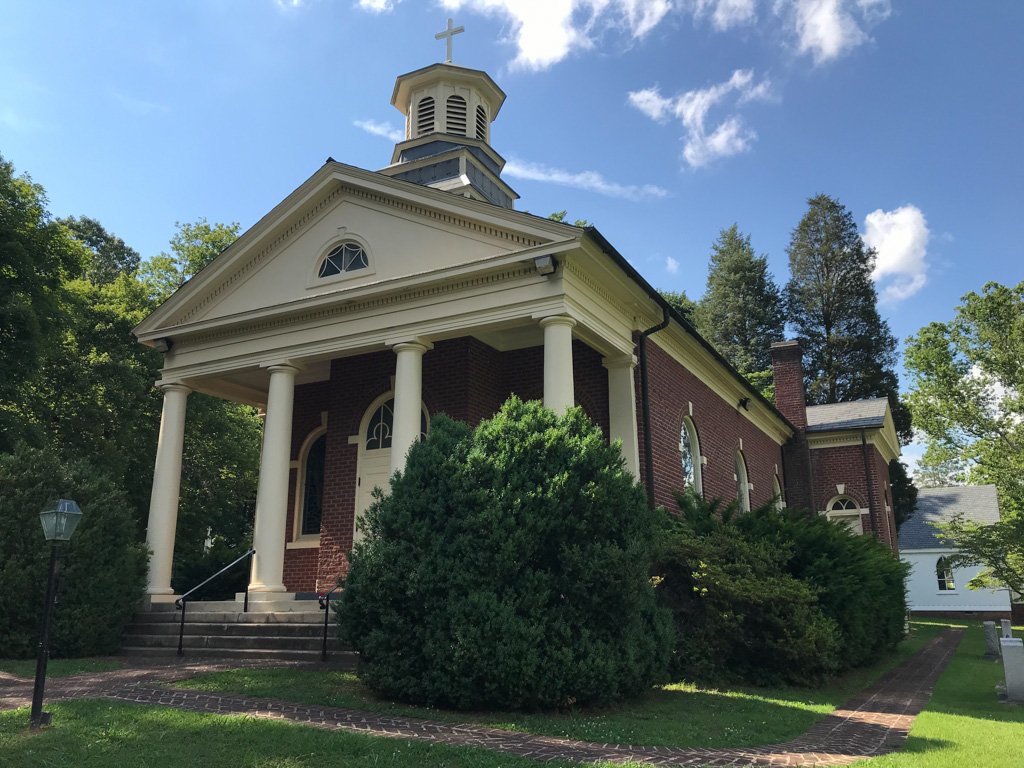
In the small James River village of Bremo Bluff, which sprang up around a ferry service and the James River and Kanawha Canal, the most important landmark is the former Bremo Slave Chapel, which used to stand on Bremo
PI33
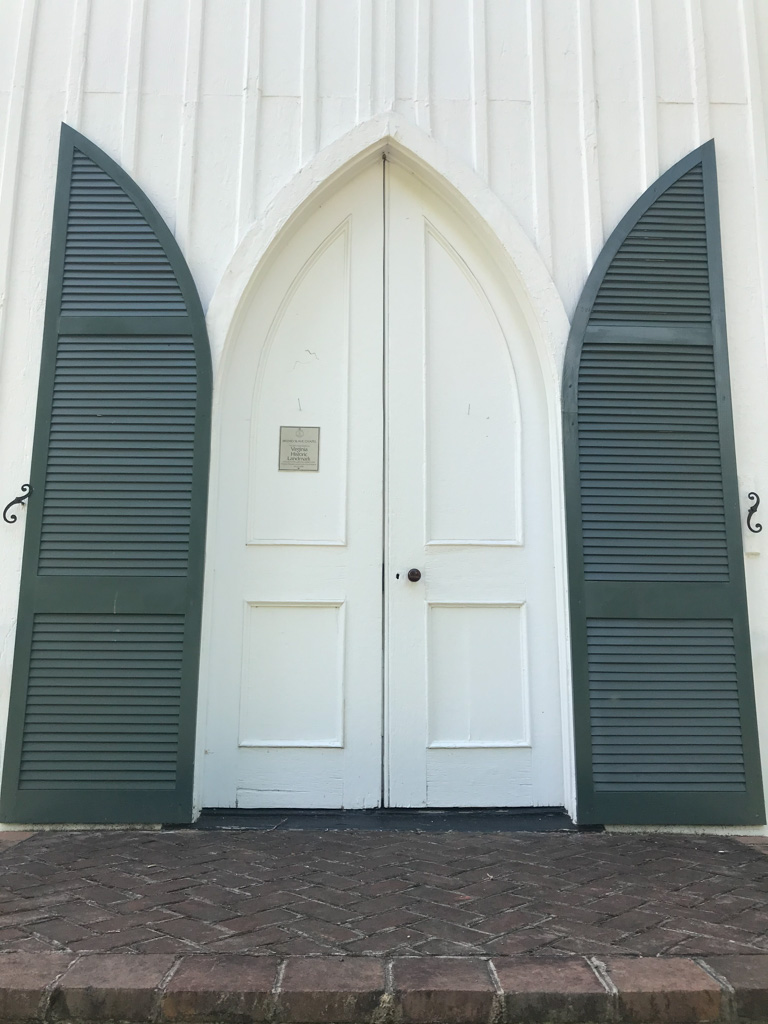
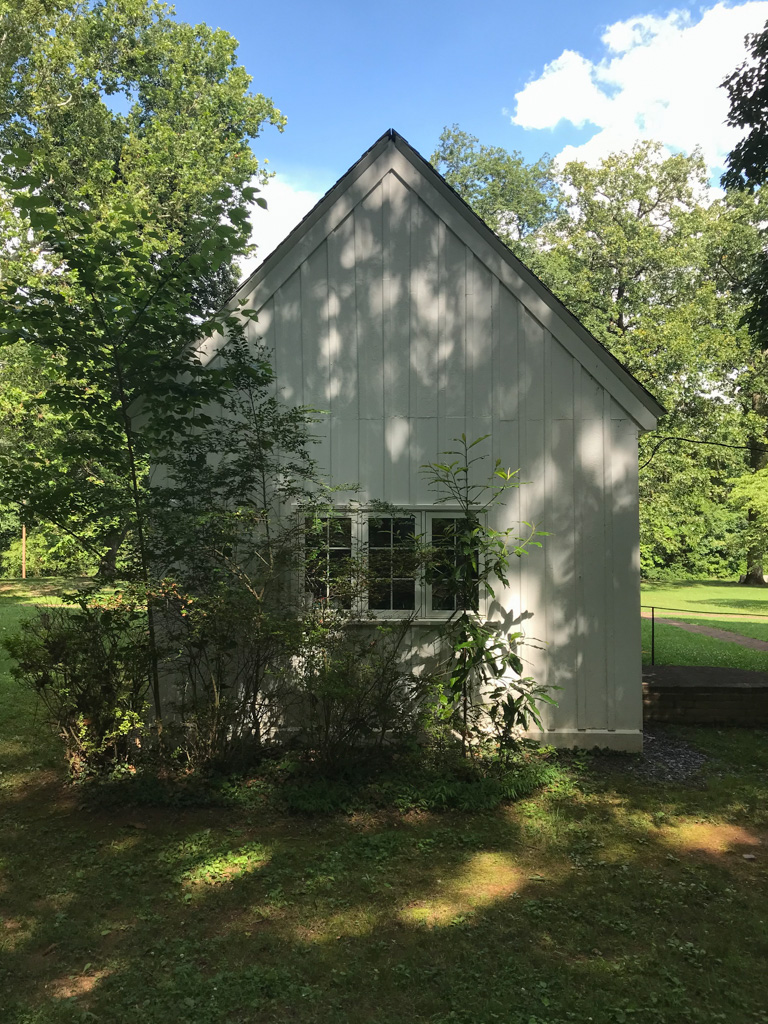
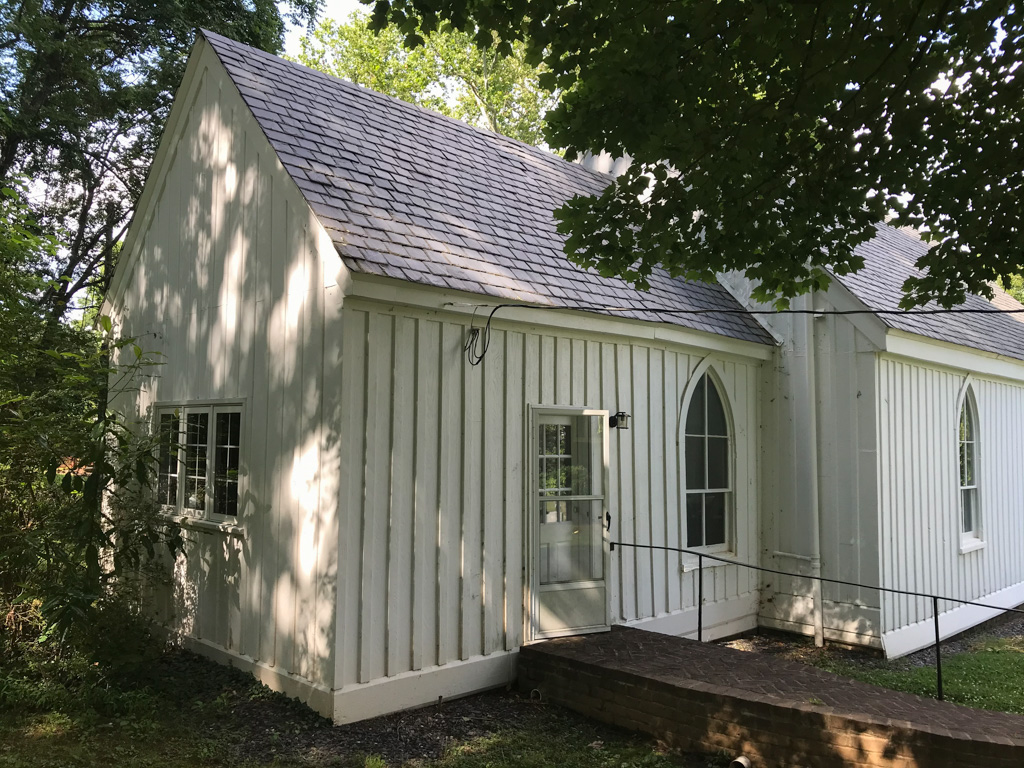
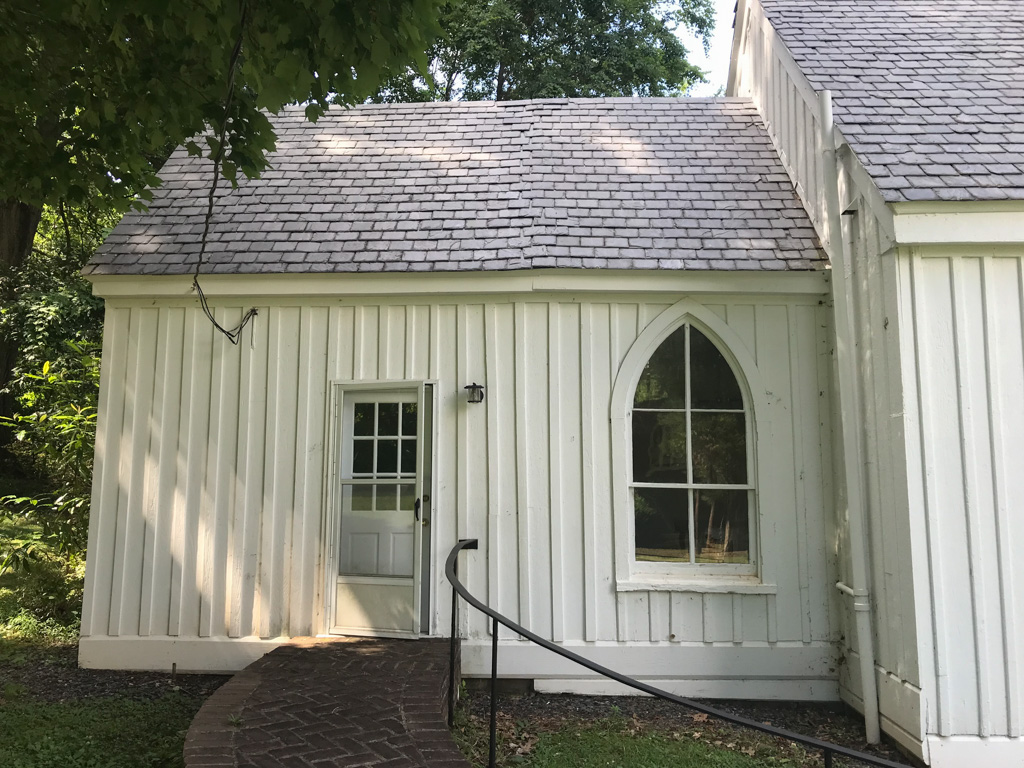
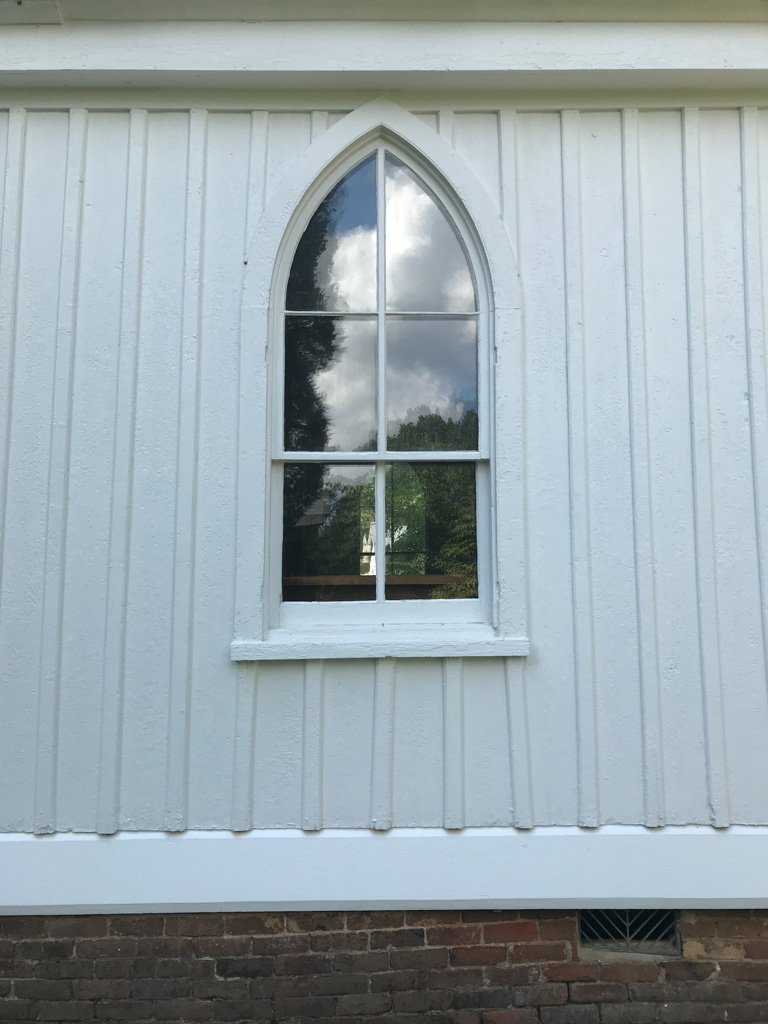
), the building is a board-and-batten, pointed-arched structure. Cocke was an outspoken opponent of slavery and served as vice president of the American Colonization Society. He kept slaves but believed that they should be prepared for freedom. He illegally taught his slaves to read and provided them with religious instruction, often conducting services in this chapel. After the Civil War, the chapel fell into disuse and was moved c. 1883 to Bremo Bluff to serve as the Episcopal Church. Today it is the parish house for Grace Episcopal Church (1926), a Colonial-Jeffersonian Revival structure.
Bremo Slave Chapel
1835. Bremo Bluff Road