Eckley Miner's Village

Eckley Miner's Village

Eckley Miner's Village © George E. Thomas
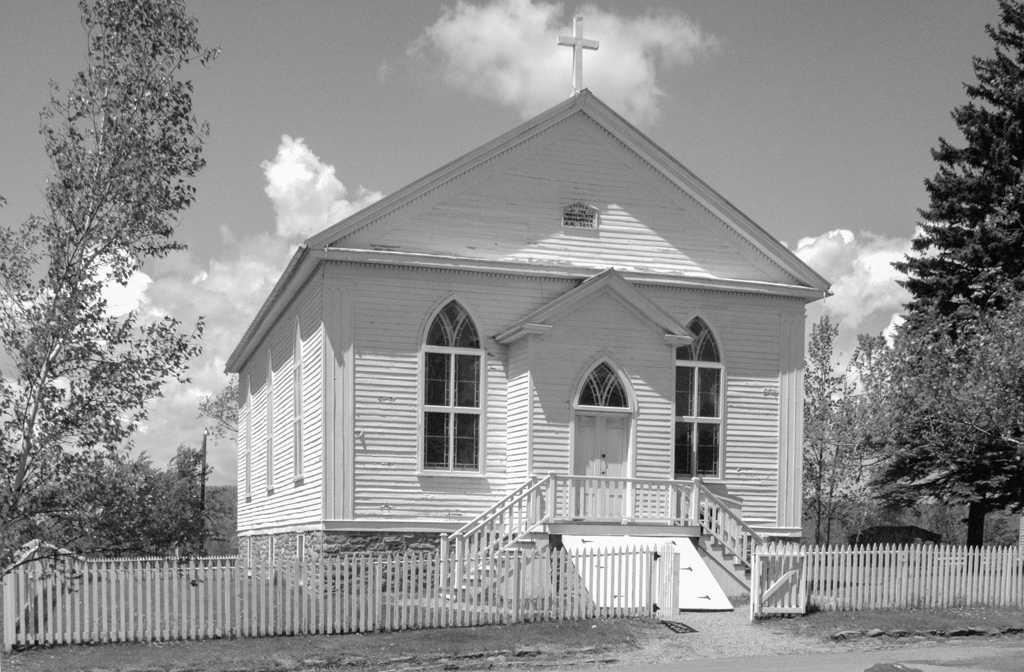
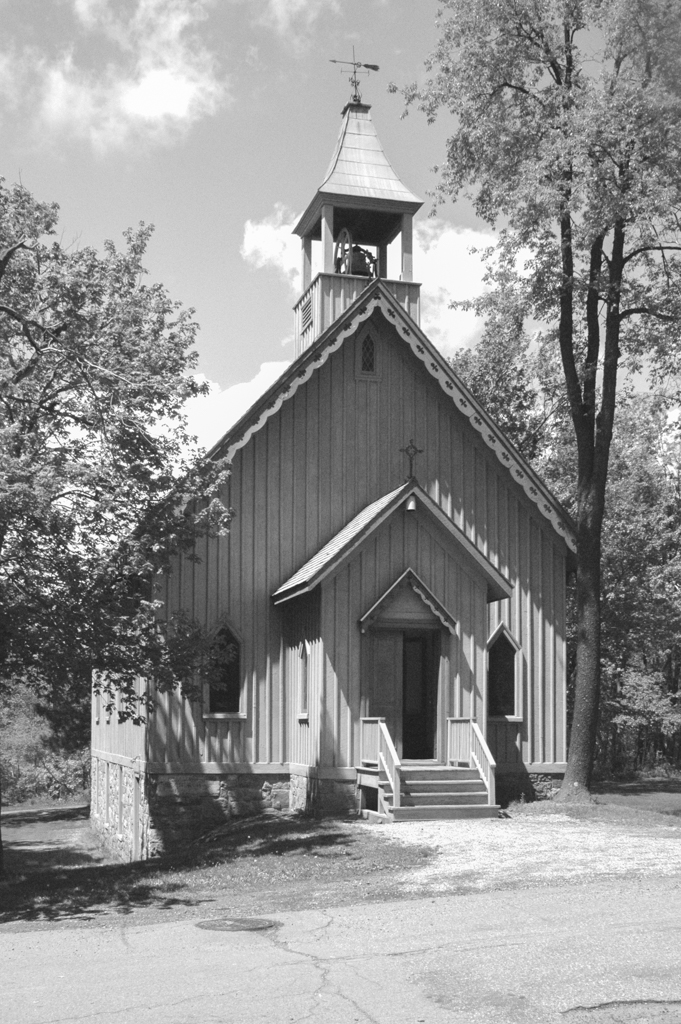
Roman Catholic Church of the Immaculate Conception Saint Paul's Episcopal Church
1850s–c. 1930. Off PA 940, 9 miles east of Hazleton

Before Eckley became a museum village, it served Hollywood as a movie set (
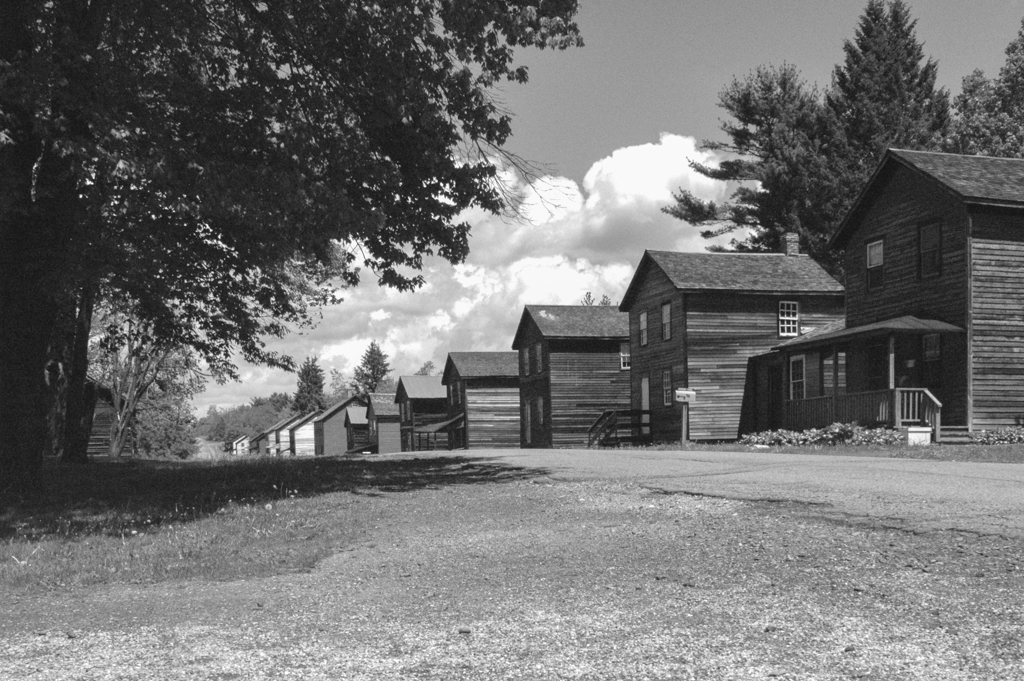
The Molly Maguires, 1970), such is the power of this bleak streetscape, laid out in 1854 by the Sharpe, Weiss Company. As in the commonwealth's other early corporate landscapes, Eckley's owners lived among their workers, but there is no romanticism here—only the grim rationality that would reach full flower in the next generation of anthracite towns. Indeed, given the nature of the industry, such places were assumed to be impermanent. Like an army camp, gradations of corporate rank are encoded into Eckley's town plan. Status decreases from west to east, proceeding from mine owner Richard Sharpe's cross-gabled Gothic Revival house (1861) and the company doctor's office, to single houses for mine bosses, to larger homes for contract miners, and, finally, to rows of double plank dwellings for unskilled laborers at the town's east end. The pedimented Roman Catholic Church of the Immaculate Conception (1862) sits at the eastern edge, among its parishioners’ shanties. At the other end of the village, the board-and-batten Saint Paul's Episcopal Church (1860), moved from White Haven in 1974, stands in for its demolished twin: the original Episcopal church where Richard Sharpe's brother-in-law served as the first rector. Towering above all is a reptilian wooden breaker, a 1968 movie prop. Today, the Pennsylvania Historical and Museum Commission operates Eckley as a living history museum describing life in the patch towns.

Writing Credits