

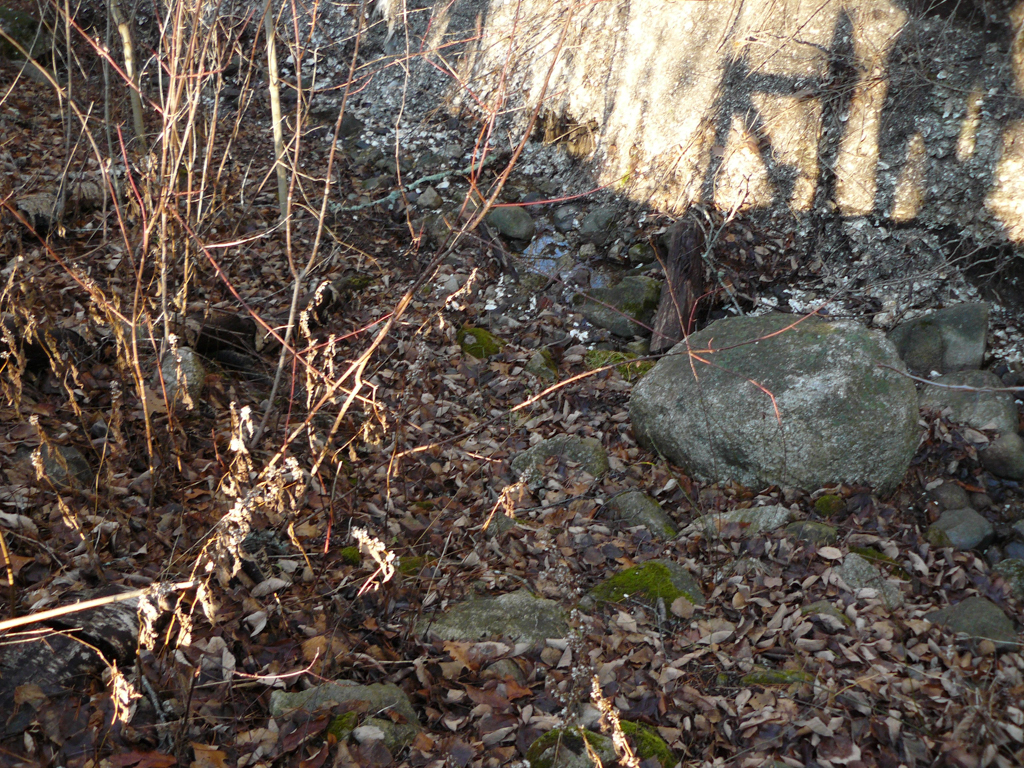
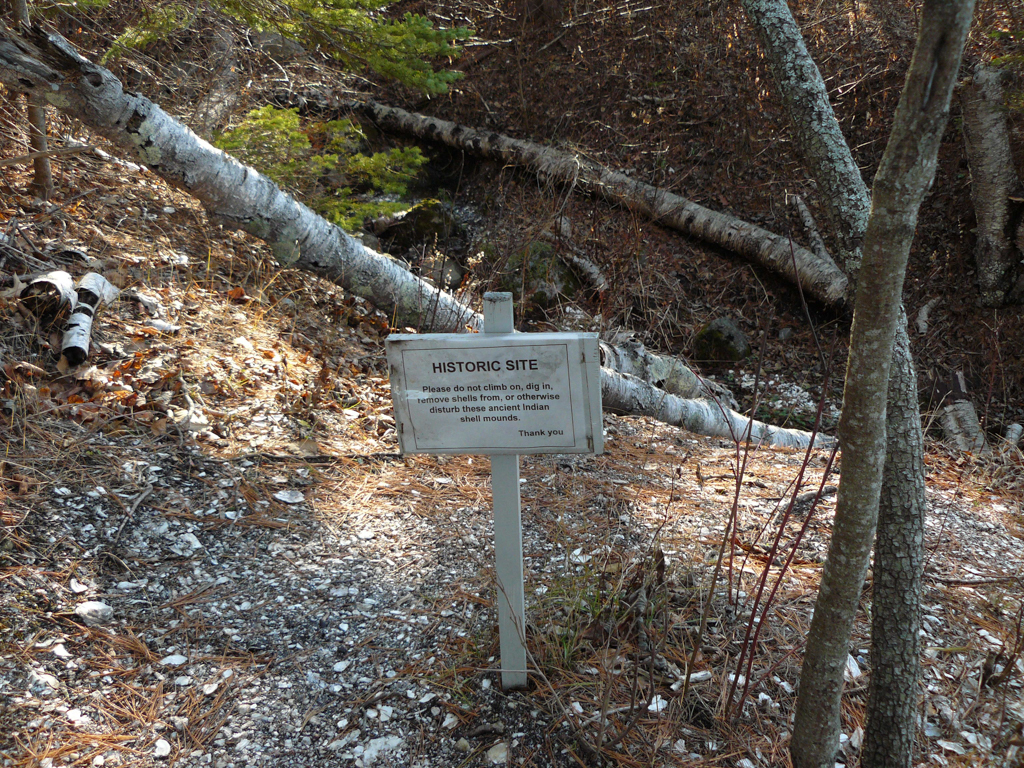
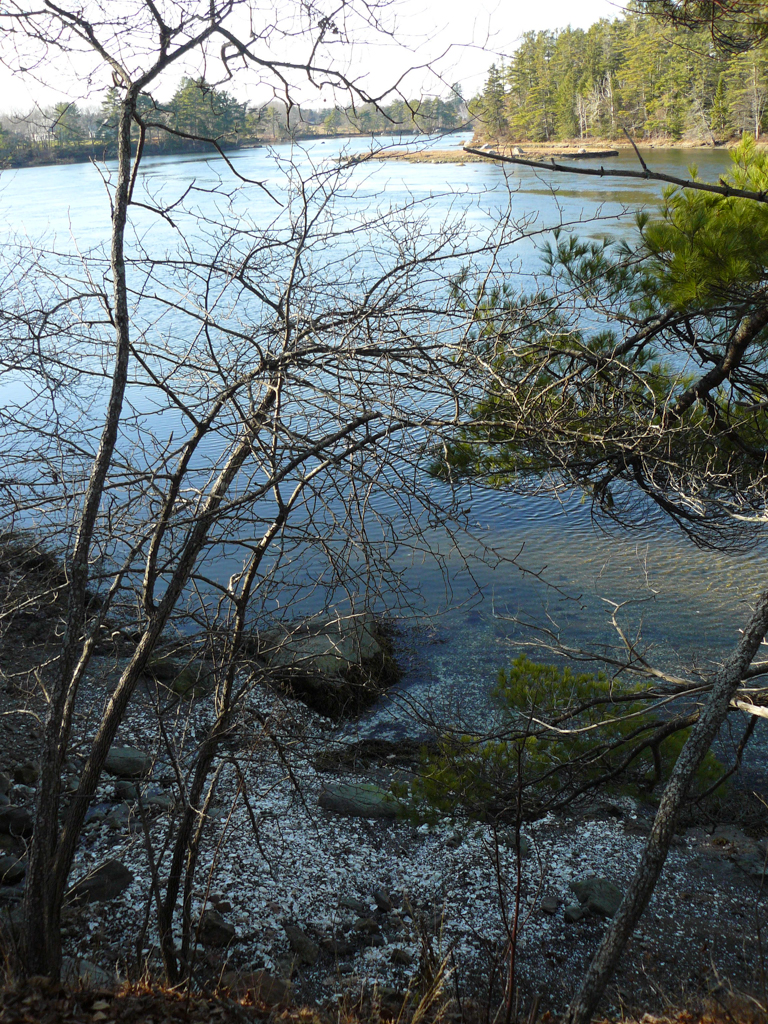
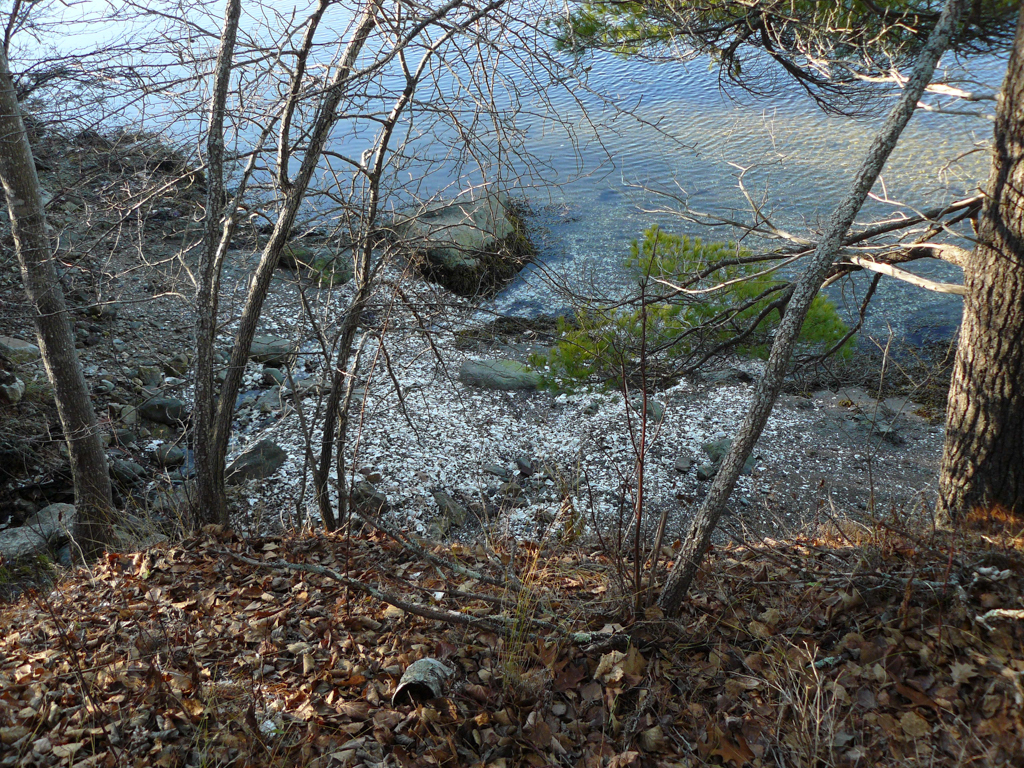
Archaeologists trace the shell heaps (or middens), located along the saltwater rivers and estuaries in Maine, to as early as the late Archaic sub-period, 6000–3000 BCE. The shell middens along the Damariscotta River are estimated to date from 2100 BCE and are among the largest in the world. Believed to have been created by two or three different peoples over the past millennia, these shell heaps are a boon to archaeologists seeking to understand the hunting, dietary, and social patterns of early Maine native cultures, including the Abenaki. In addition to oyster shells (some measuring 20 inches long), the remains of deer bone, cod bones, and quantities of quartz arrow points have also been excavated from the Whaleback Shell Midden site (named for its original whaleback shape), where native peoples, having migrated to the Damariscotta River in the late winter and early spring to harvest alewives, feasted on the shores. Between 1886–1891 the Damariscotta Shell and Fertilizer Company excavated the Whaleback midden to process the lime-rich shells into grade chicken feed.
On the western side of the Damariscotta River, across from the Whaleback Midden and adjoining the Town of Newcastle, is the Glidden Midden site, the largest in Maine and on the east coast north of Georgia. Unlike the excavated Whaleback site, the Glidden Midden is largely intact and has only diminished in size due to tidal erosion.
Prior to commercial excavation, the Whalebone Midden was enormous, over 1,650 feet long and between 1,320 and 1,650 feet wide. Despite its reduction in size, it is still impressive today. Owned by the Maine State Parks and Recreation Commission, it is part of the Whalebone Shell Midden State Historic Site, an 11-acre park with hiking trails and picnic tables. From the park, visitors have an unobstructed view of the Glidden Midden site across the river.
Though Maine’s large and plentiful supply of oysters had disappeared by 1875, about 50 years ago the Maine Department of Marine Resources launched a successful effort to introduce an oyster aquaculture along the Damariscotta River, not far from the historic Glidden and Whaleback sites. From the spawn of the commercially cultured oyster, a new generation of wild oysters is being established.