

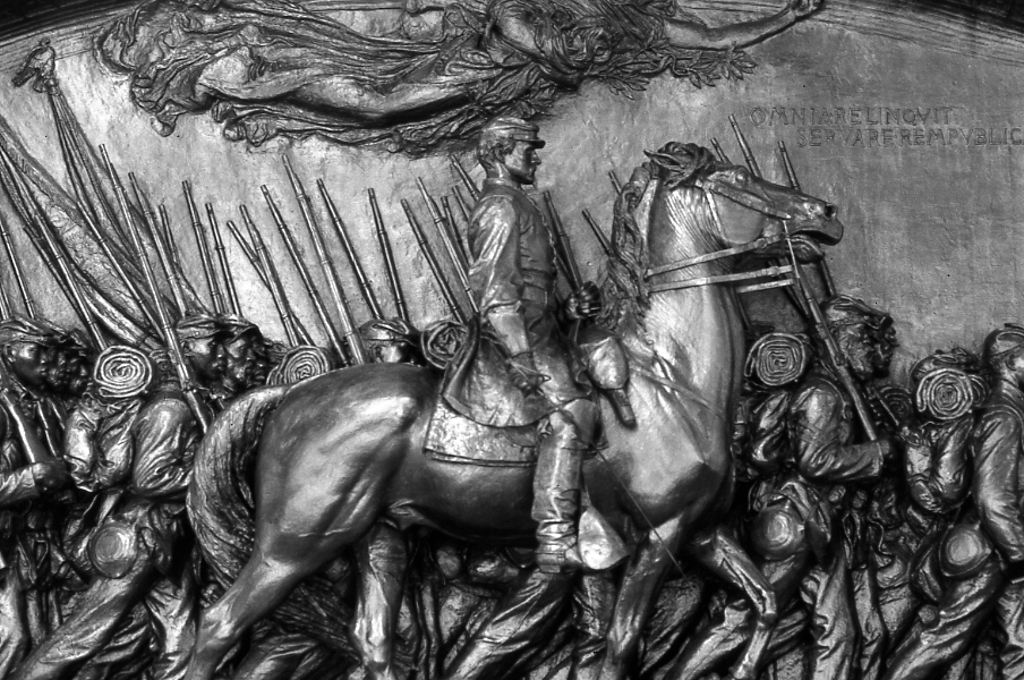
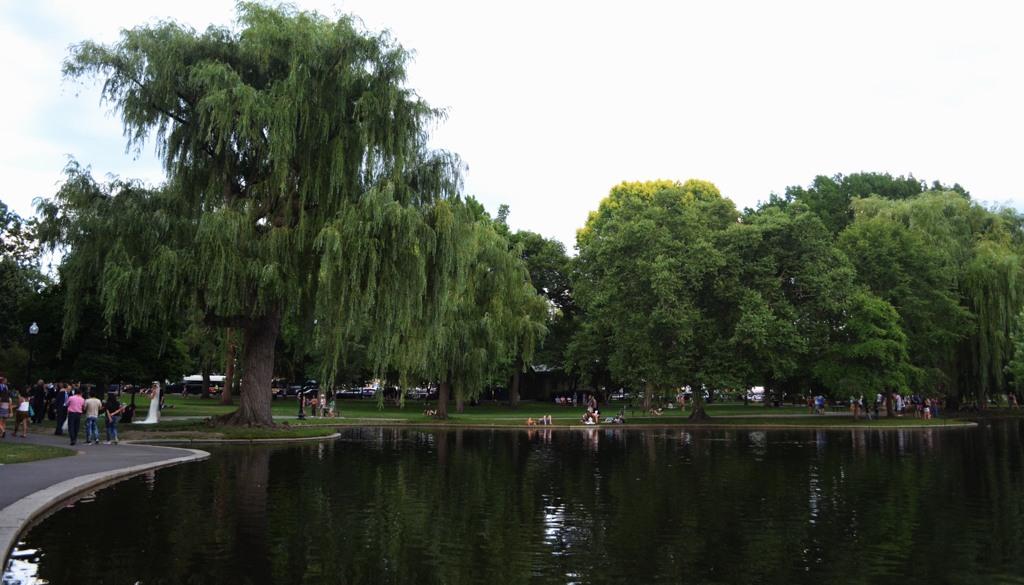
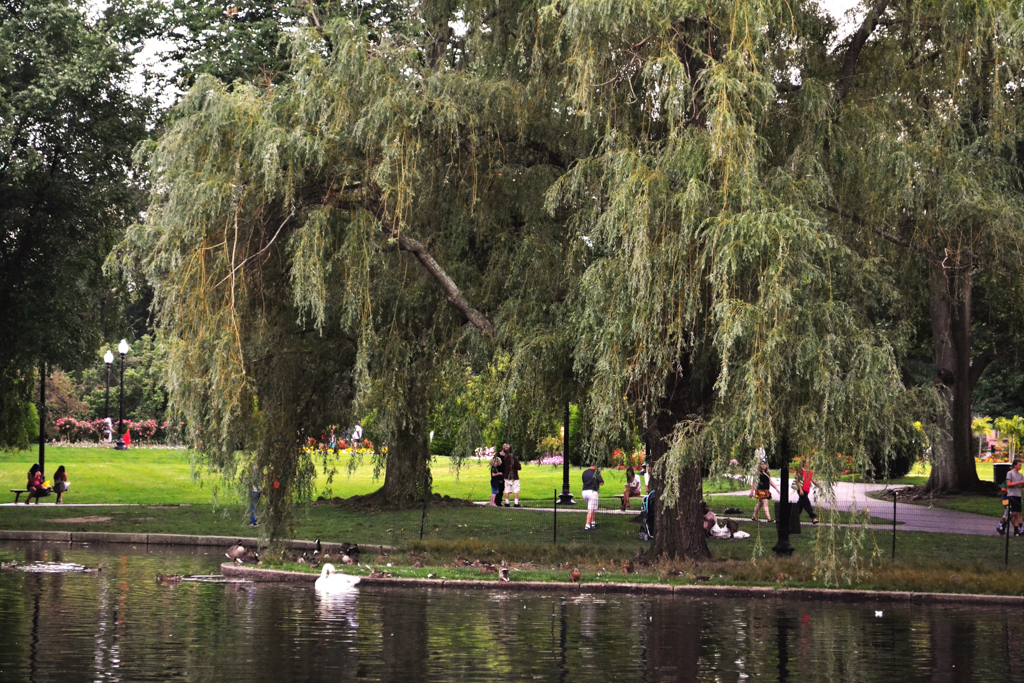
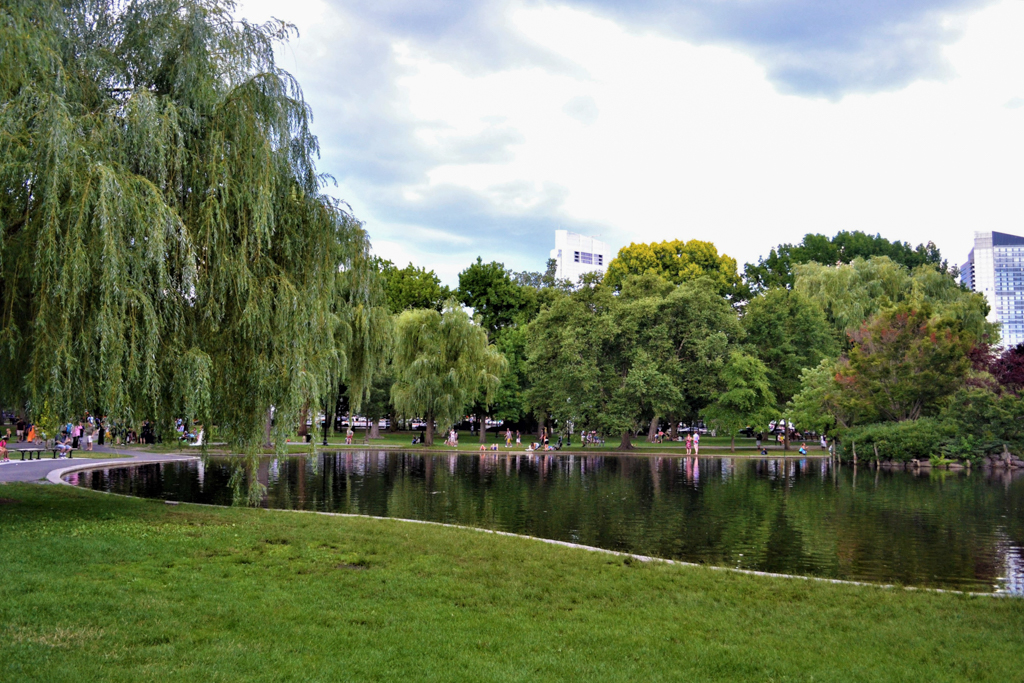
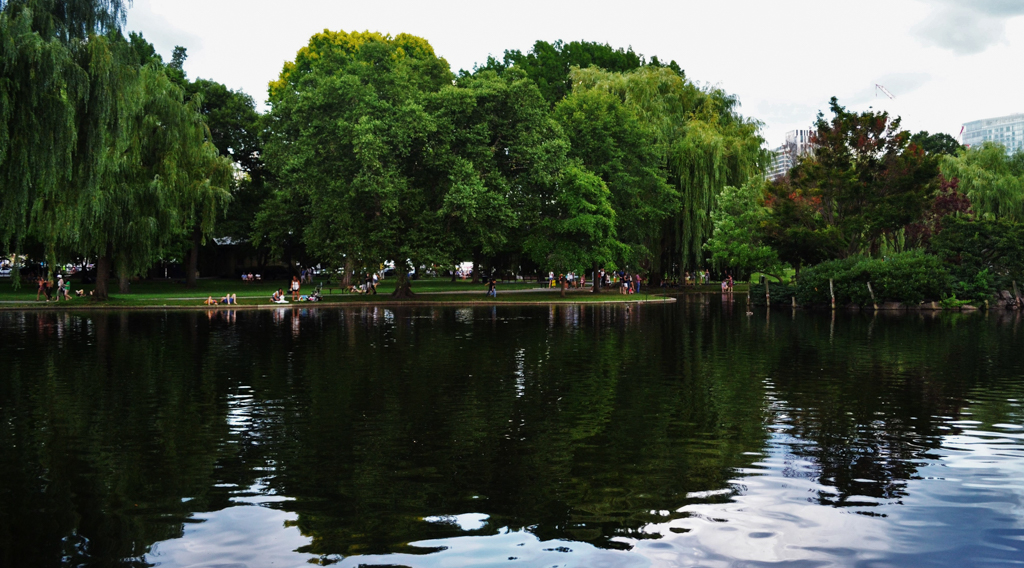
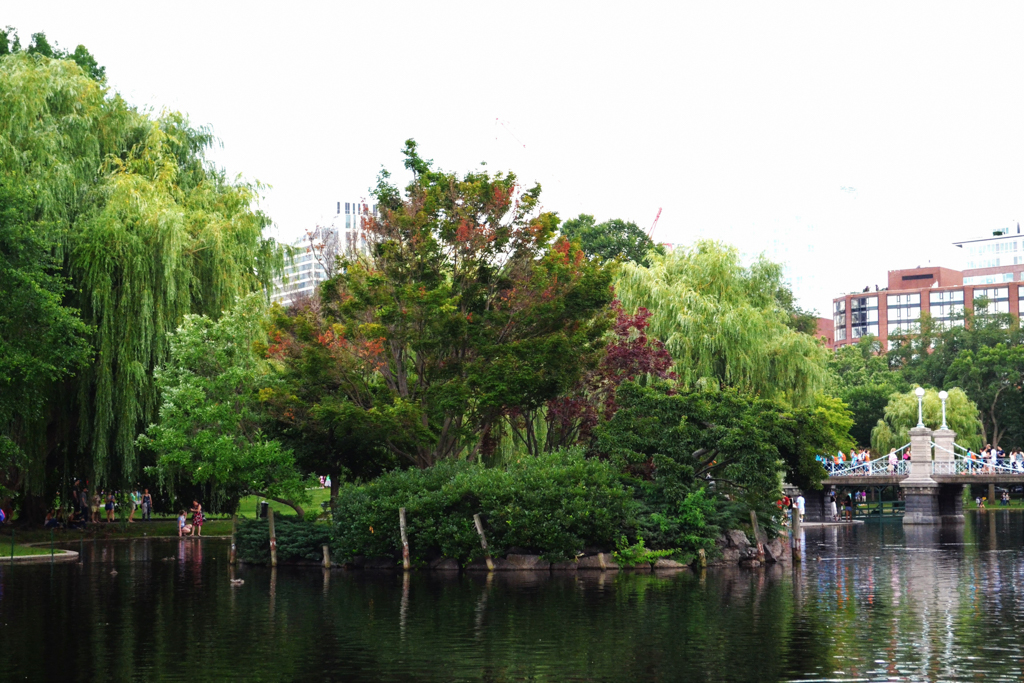
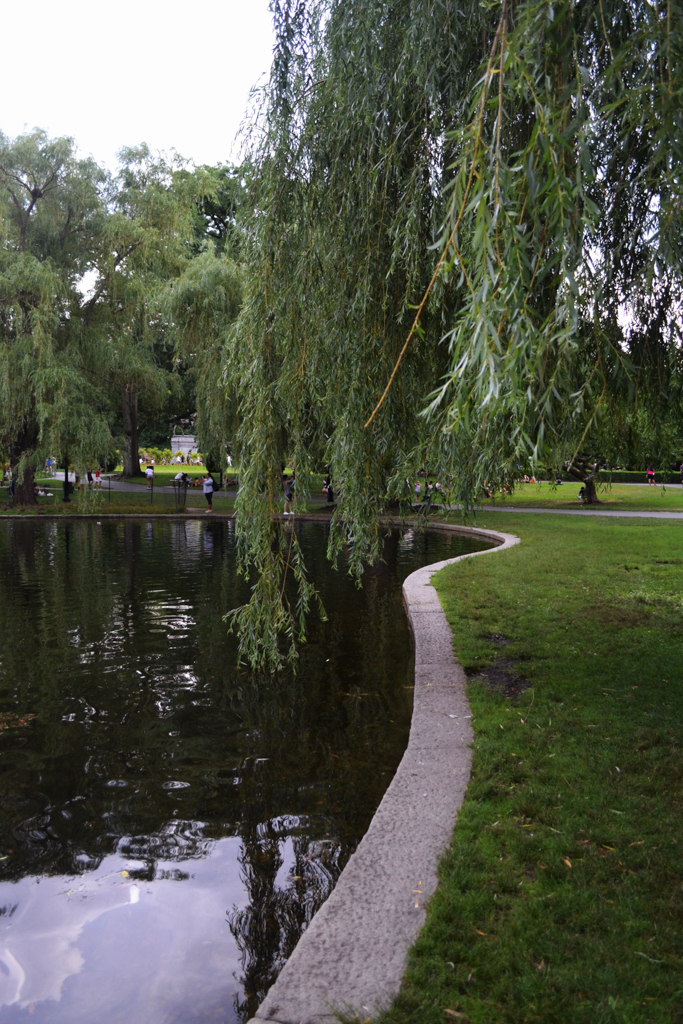
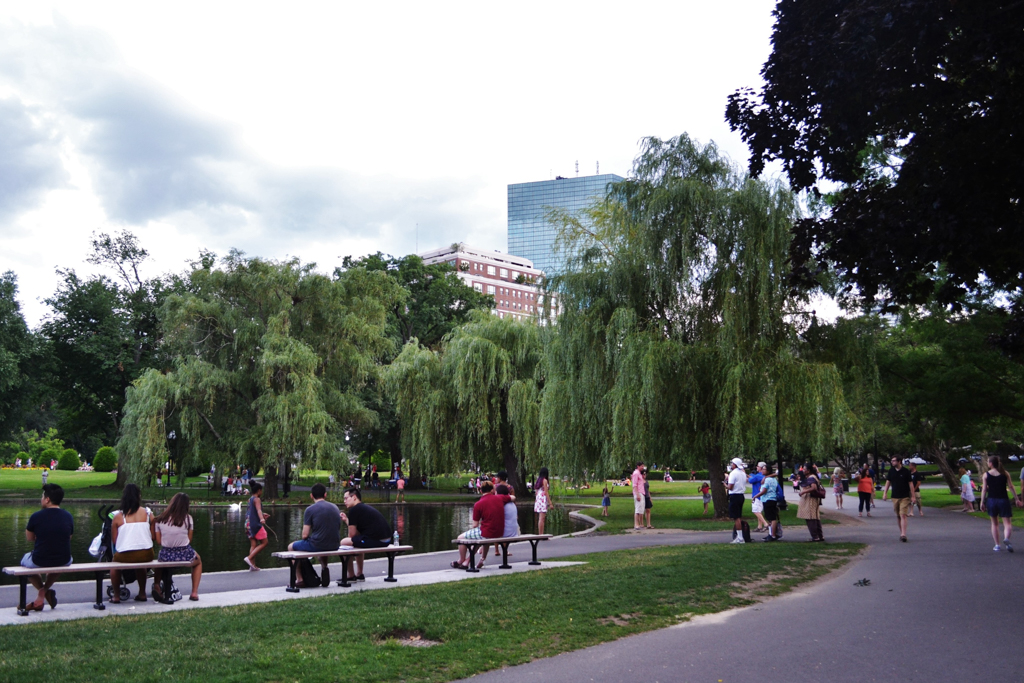
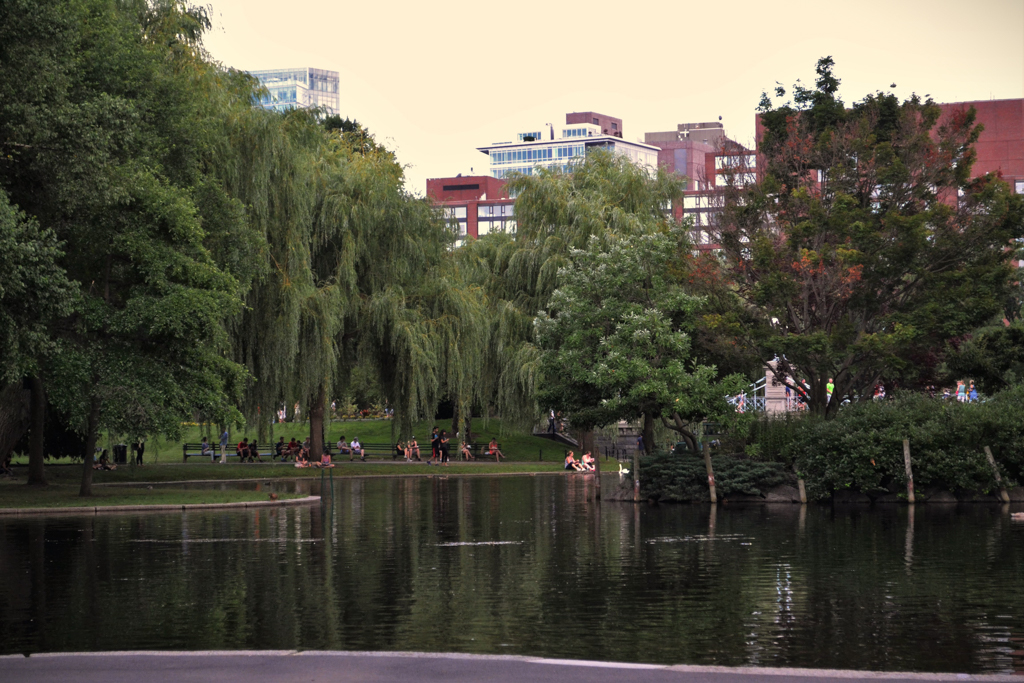
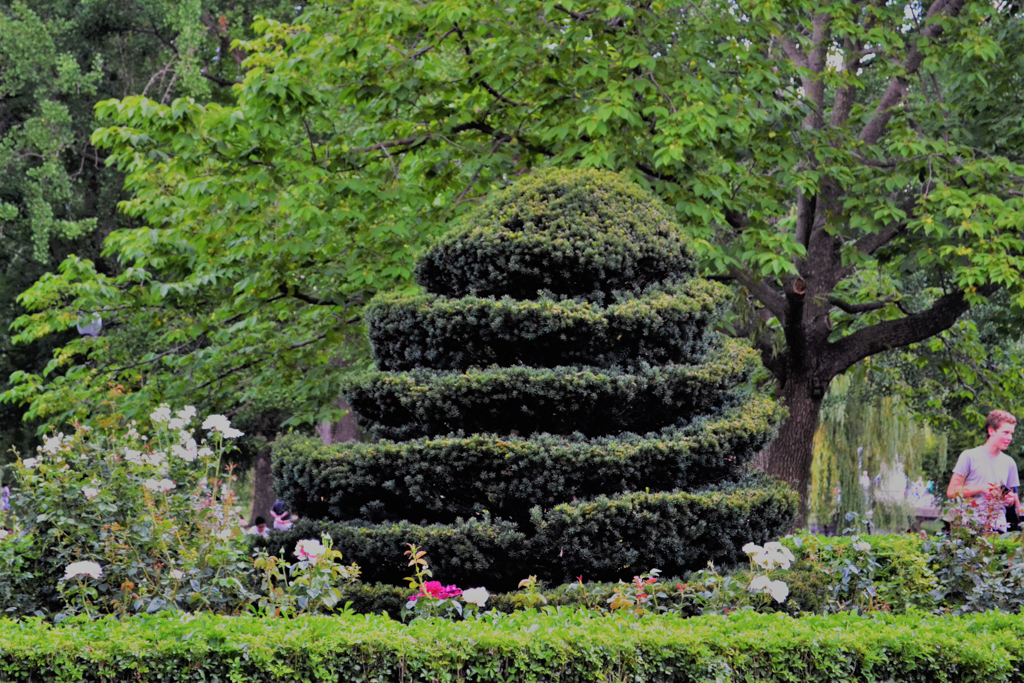
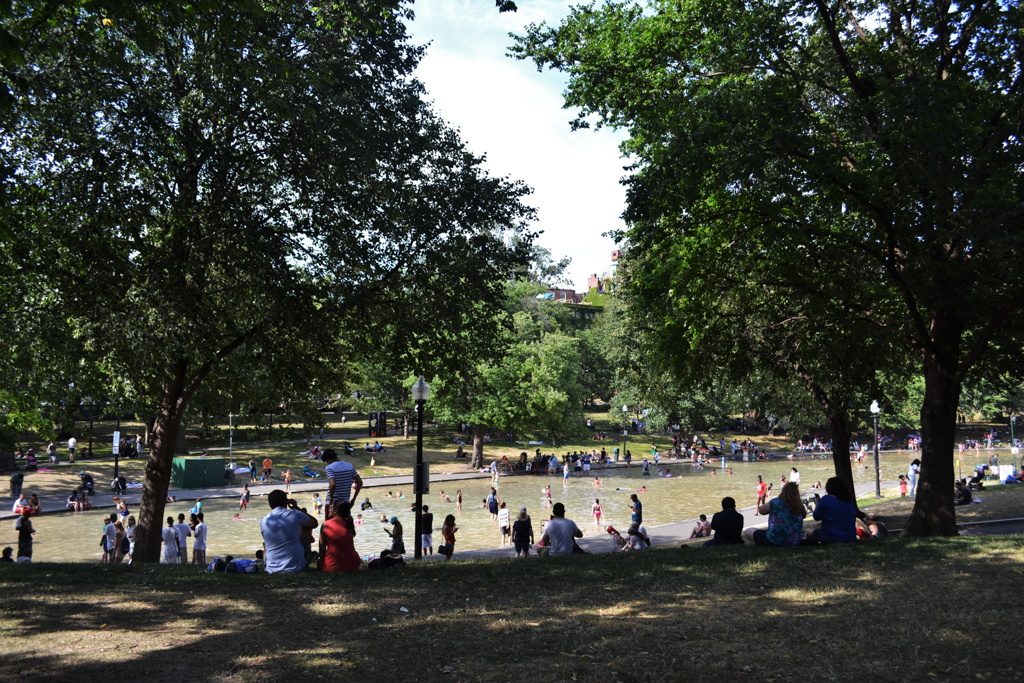
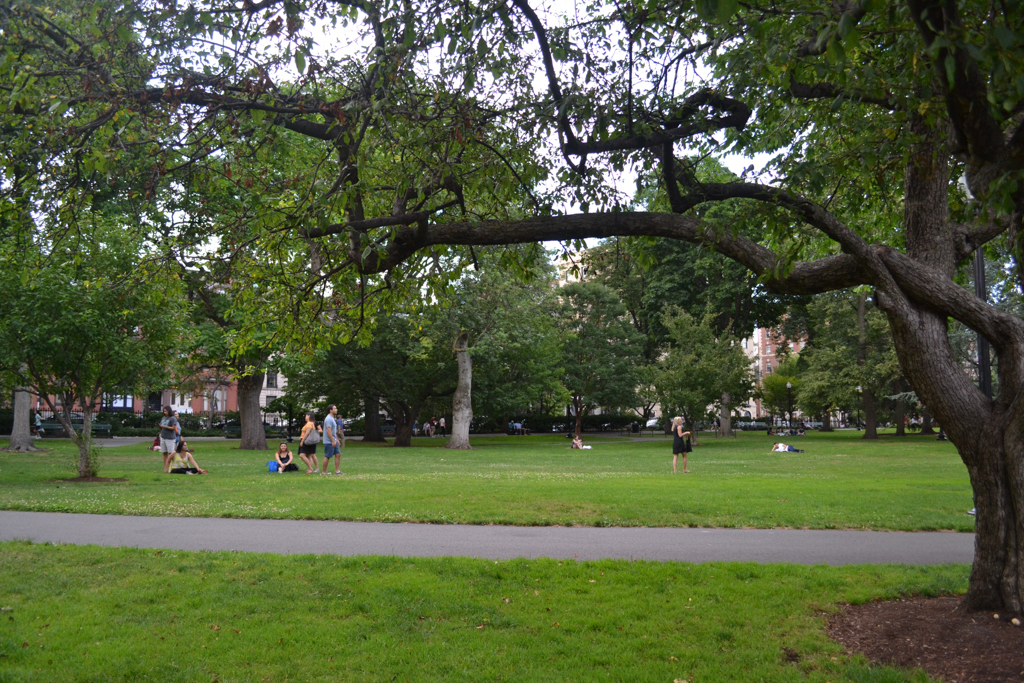
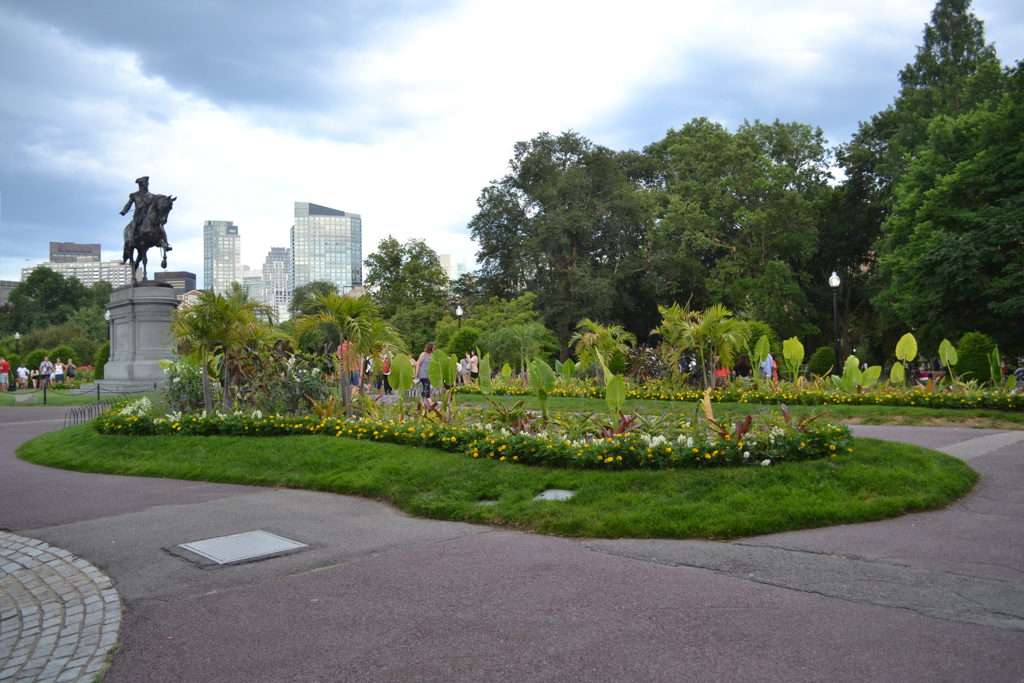
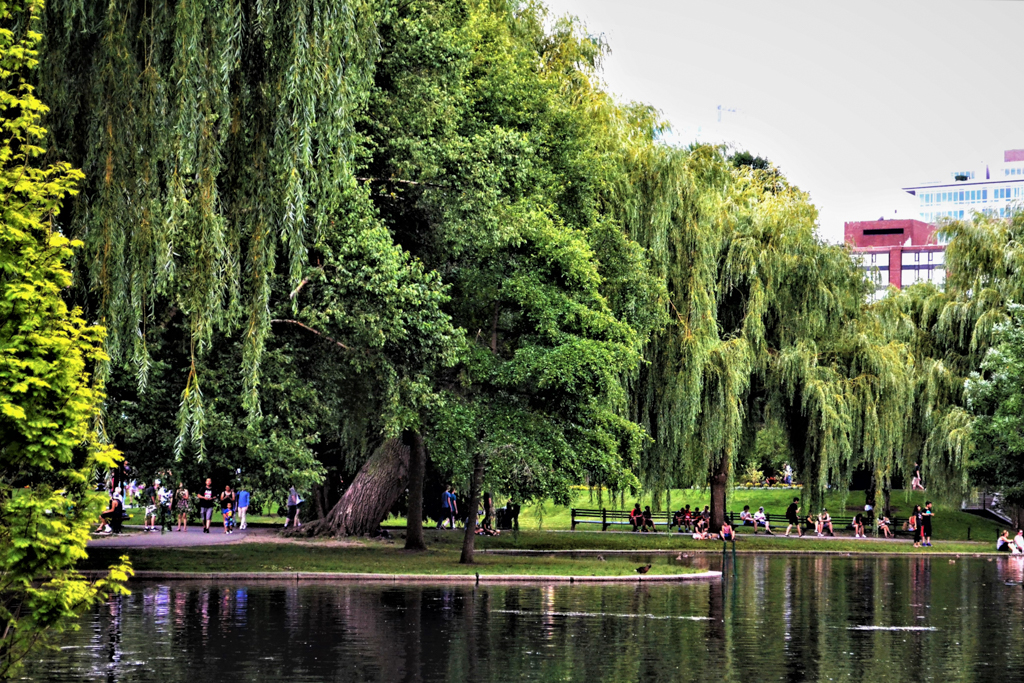
Unlike most New England towns and cities, Boston retains a common that was established for pasturage in the colonial period and has remained open space. The Reverend William Blaxton settled on this land in 1625 and sold it to the Puritans when they arrived in 1630. The earliest colonists, however, located on the opposite side of the peninsula in the North End and the current Central Business District. The Common was on the periphery, typical of English patterns of common agricultural lands. As early as 1722, however, the tree-lined mall (now Lafayette Mall) was established along the southern boundary. The central burying ground was established in 1756 on the Common, which also served as a training ground for the militia and as a site for political rallies leading to the Revolution. As the town grew, development came to the edges of the Common, such as Thomas Hancock's grand granite mansion (1737, demolished 1863) on the Beacon Hill edge of the Common. After the Revolution, Charles Bulfinch did much to change the image and purpose of the Common. He developed a plan for beautification in 1803 (executed through 1816) and designed private residences and speculative row houses facing what had now become a public park. Throughout the nineteenth century, the Common continued as the site for political rallies, military drills, and fashionable promenades. Gradually, monuments, a bandstand, the frog pond, and athletic fields have transformed the Common
BH2
) commemorates the freed black Fifty-fourth Massachusetts Regiment and its white leader in the Civil War. In 1895, Boston constructed the nation's first subway beneath the Tremont Street boundary of the Common; the Boston Common Garage (constructed 1960s) lies beneath the western end of the Common. Today, tourists and natives alike enjoy the tree-covered paths and open lawns of this fifty-acre green space, the oldest public park in the nation.
Boston Common
1634. Beacon, Park, Tremont, Boylston, and Charles sts.