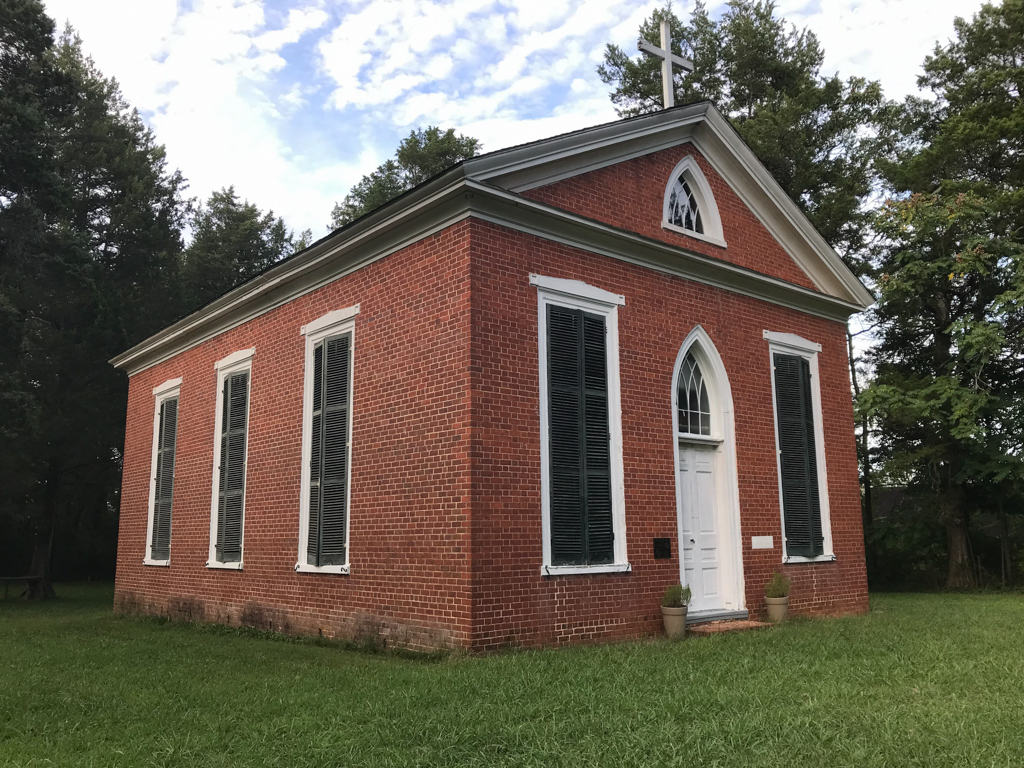
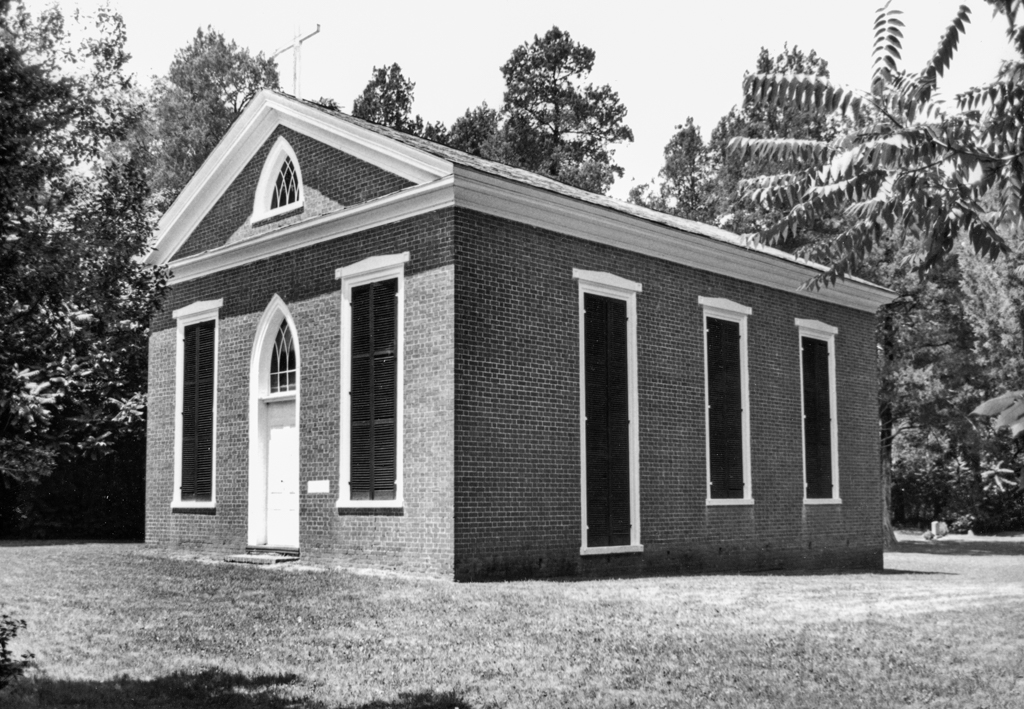
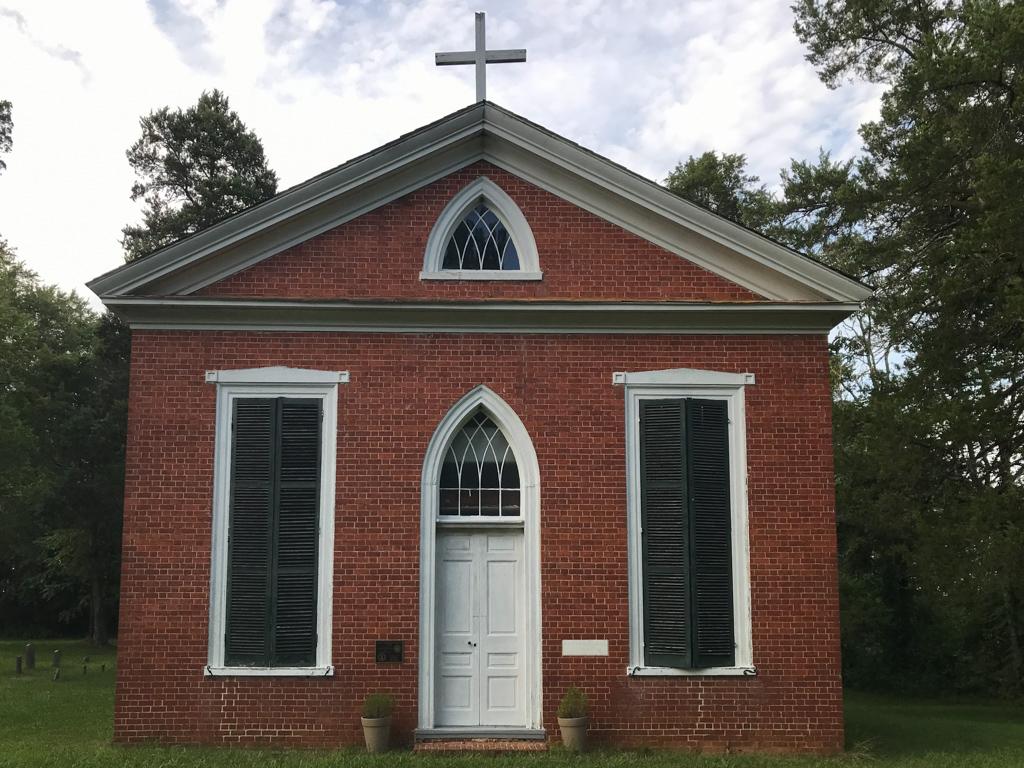
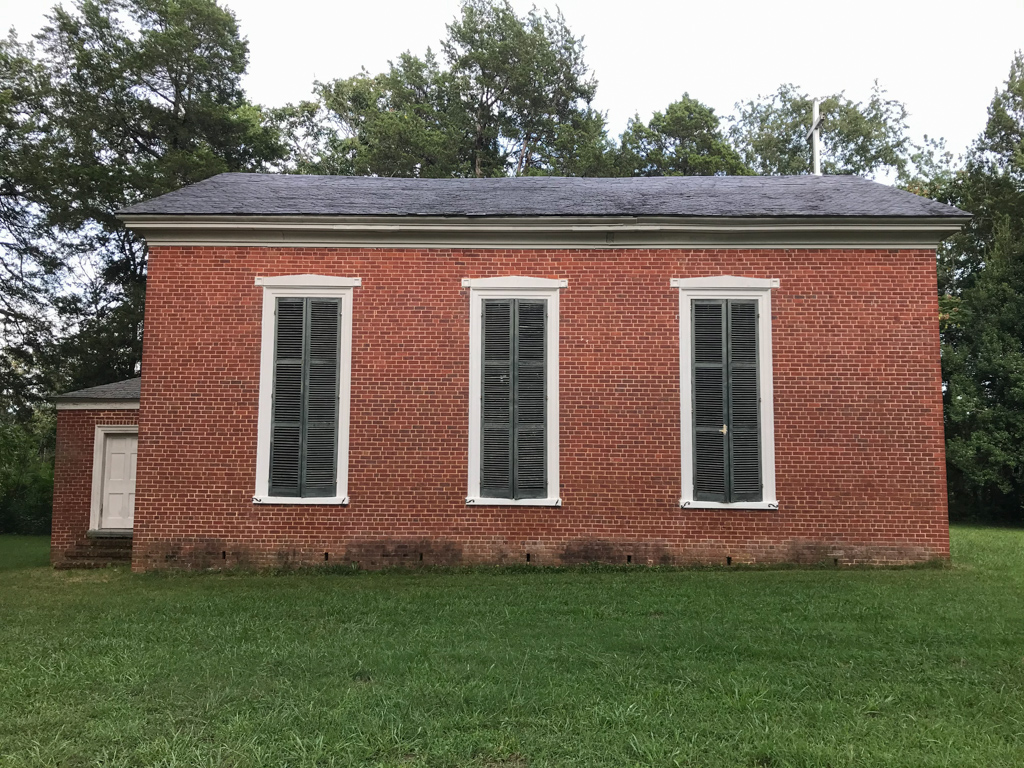
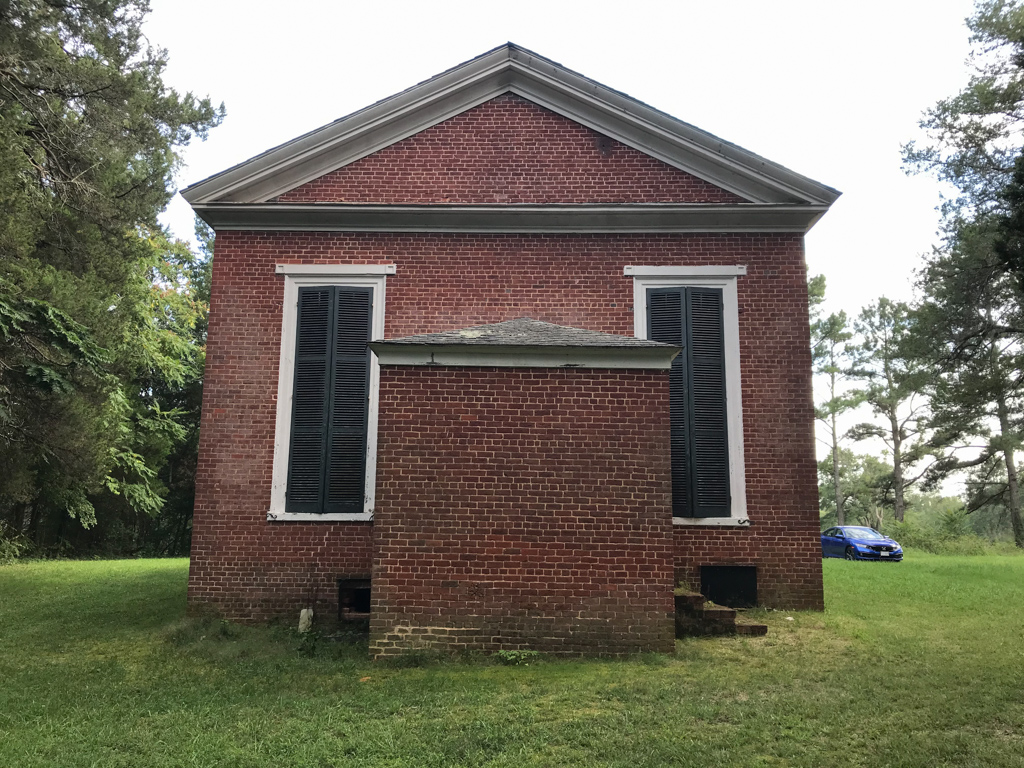
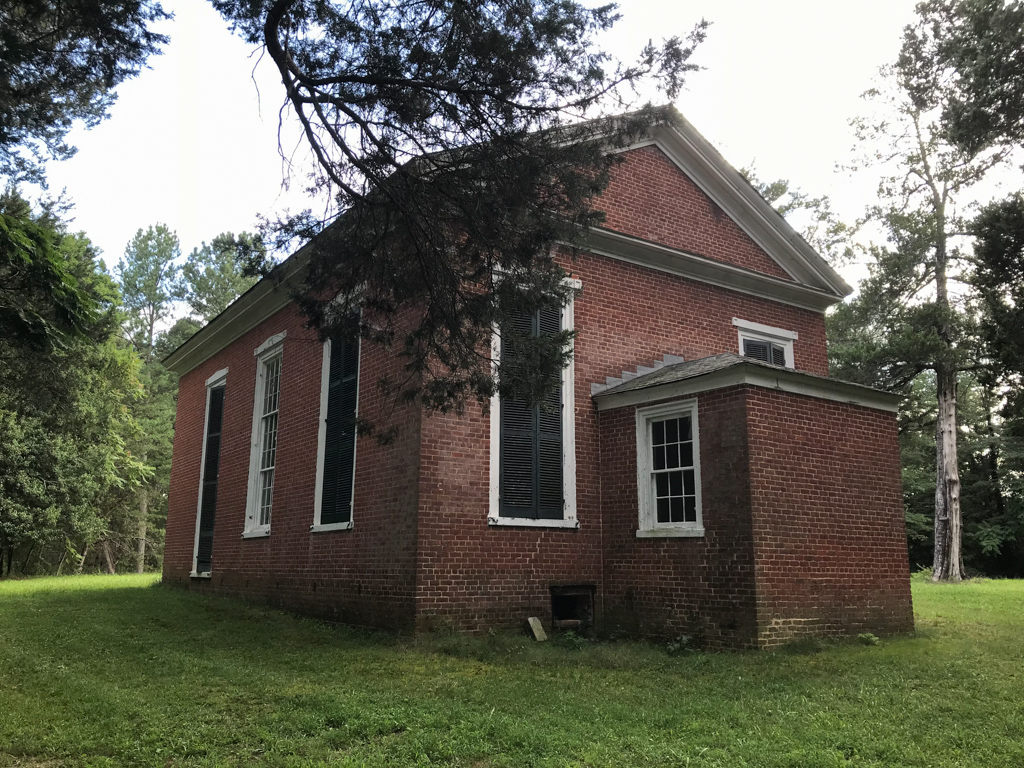
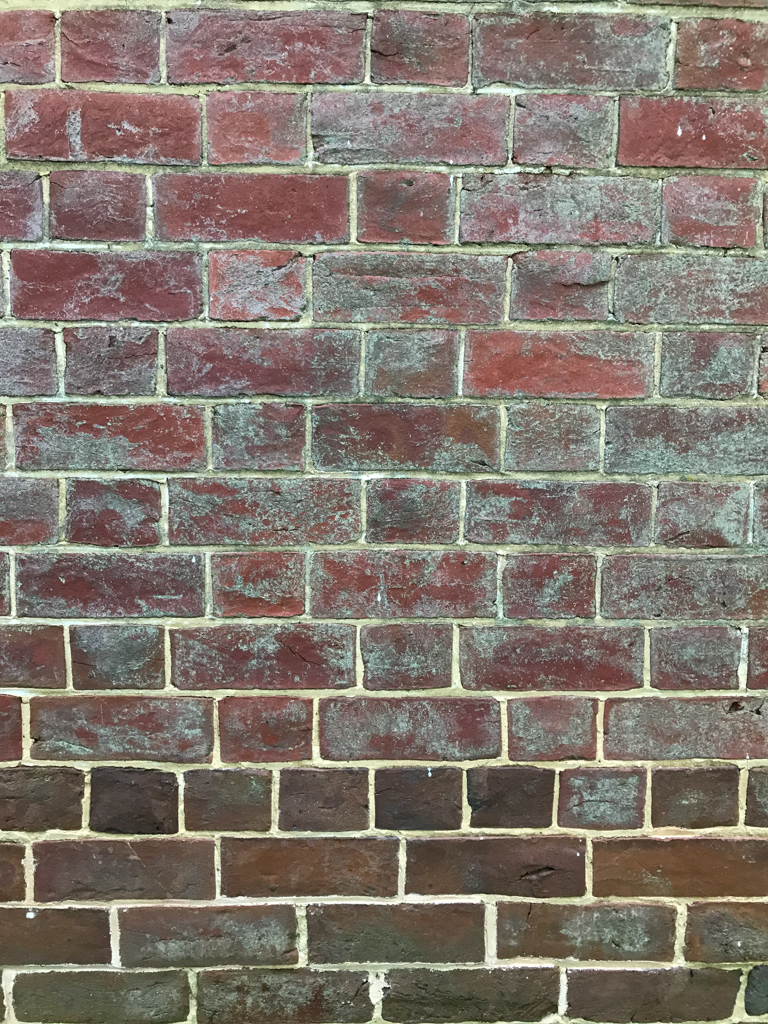
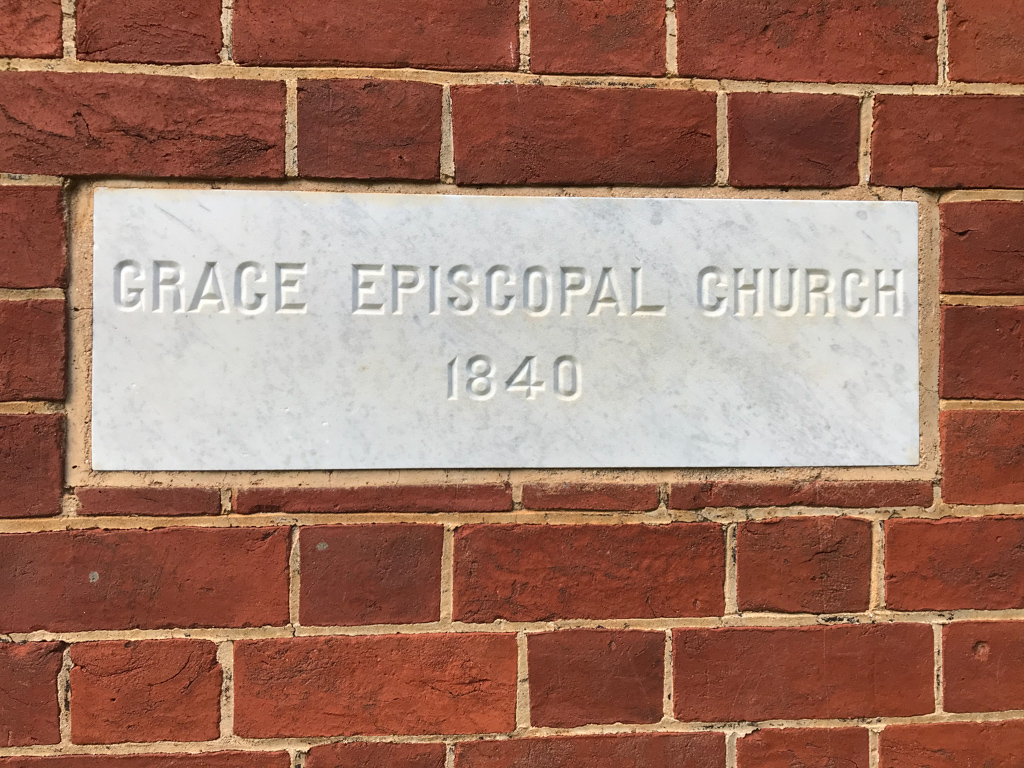
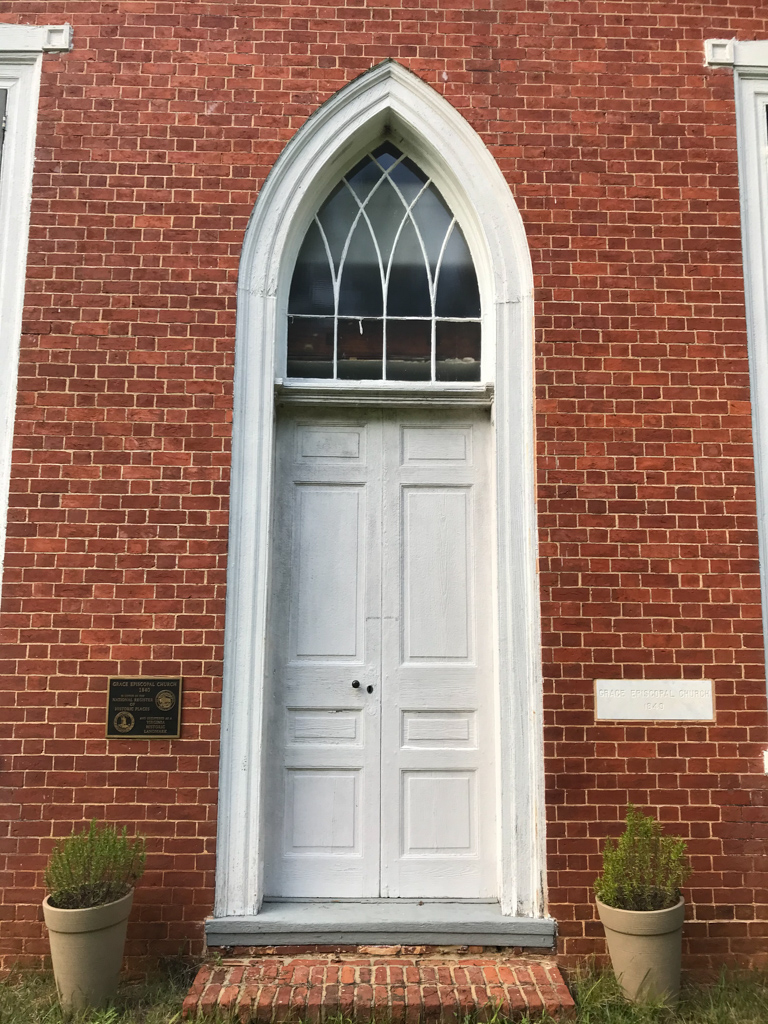
Ca Ira is a sophisticated and carefully crafted blend of Greek and Gothic Revival forms put together by a master builder. The small church is the lone survivor of a once-thriving port community formed in the late eighteenth century as a result of navigation improvements on the Willis River. Established during a period of enthusiasm for the French Revolution, the town was apparently named for the French marching song “Ça Ira,” meaning, “It [the Revolution] Will Go Forward,” the name by which the church is now generally known. The diminutive three-bay-wide and three-bay-deep brick church is laid in Flemish bond on the two most visible elevations and American bond on the others. The original penciling on its mortar joints is still visible. The pedimented-gable facade has a central entrance with a Gothic-arched transom featuring interlocking tracery that is repeated in the pediment window. In contrast, the other windows—triple hung with ramped lintels—are classical. Inside, the pulpit is taken from a design in Asher Benjamin's The Practical House Carpenter (1830). The church is no longer in regular use but is supported by the Ca Ira Restoration Society.

