

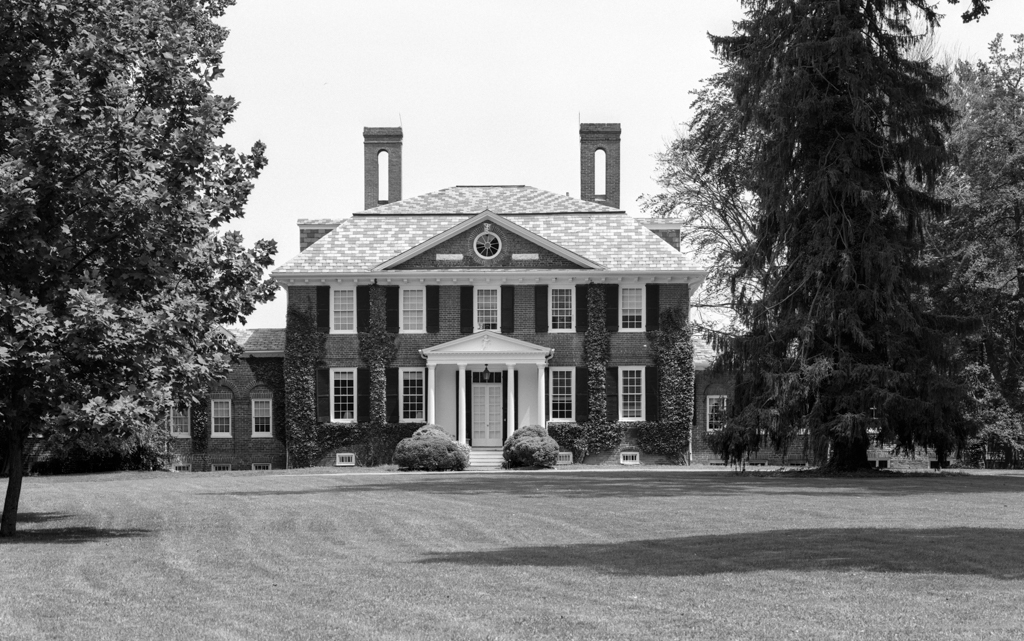
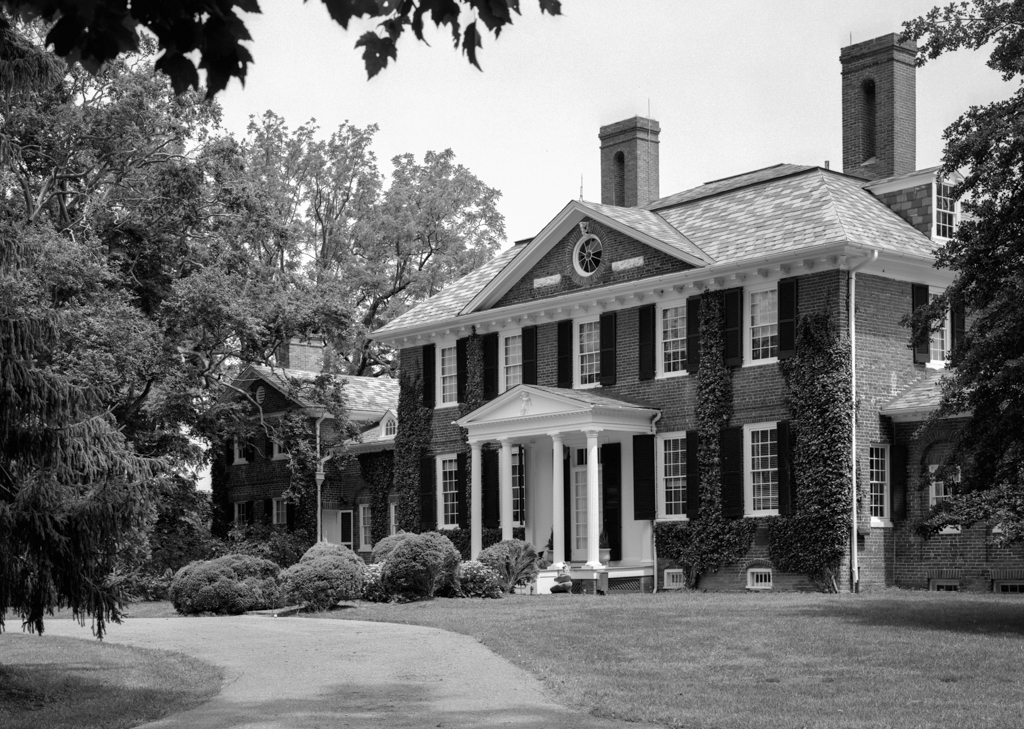
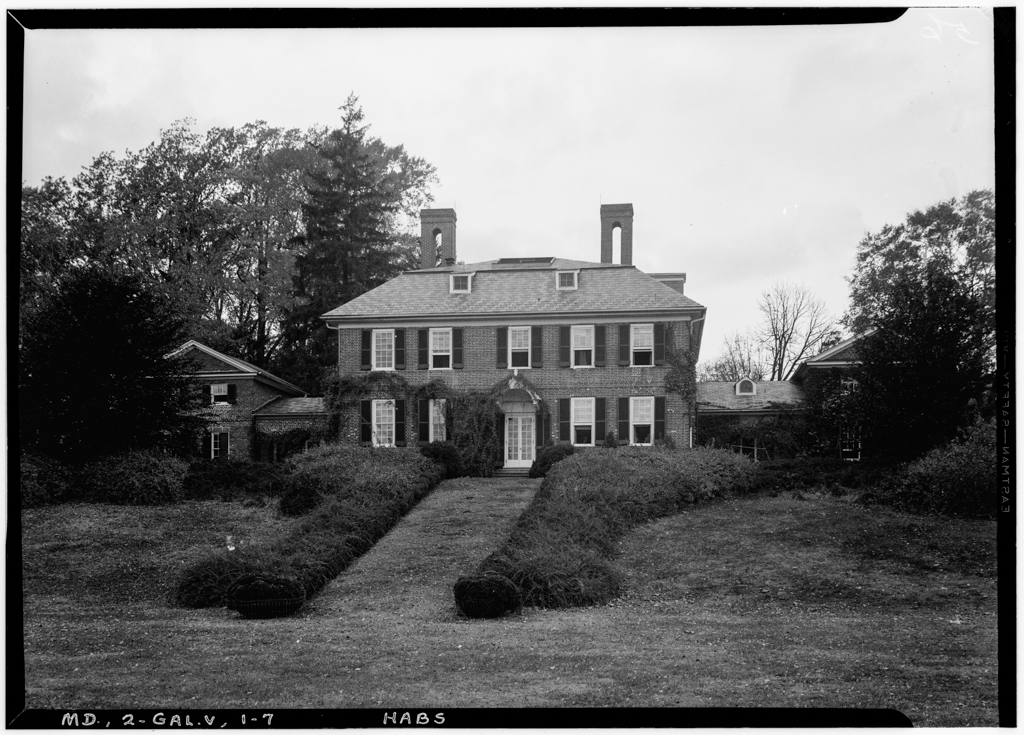
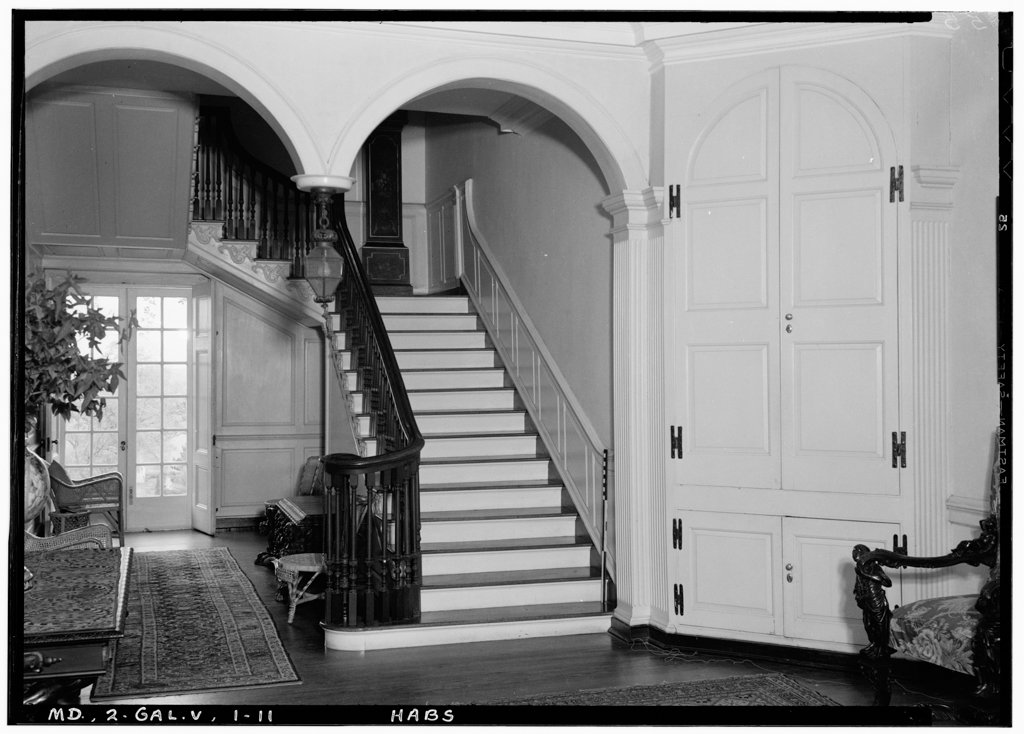
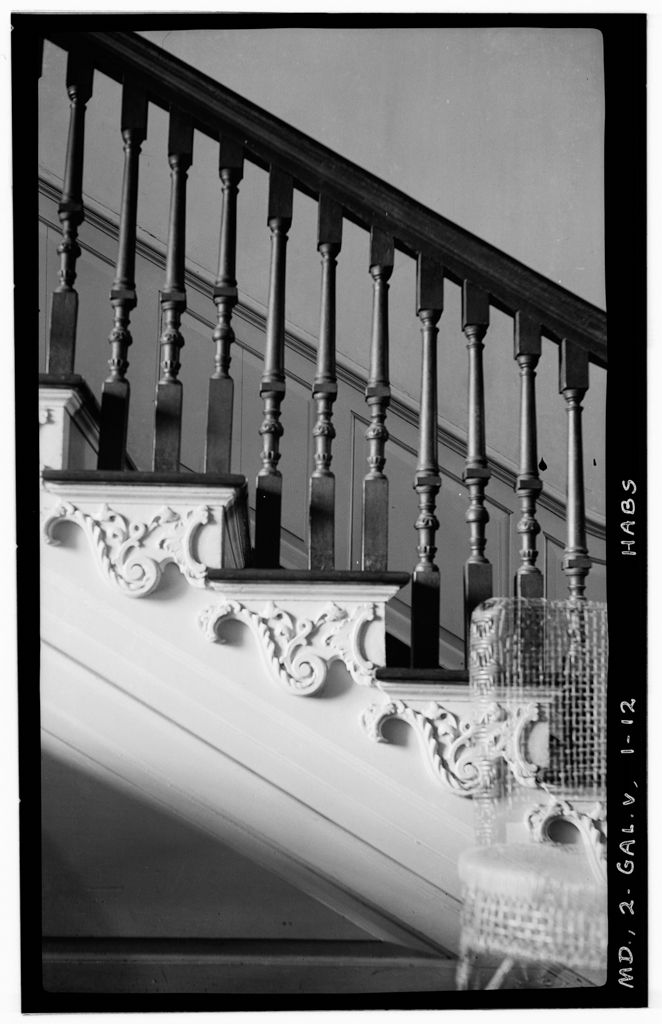
Tulip Hill is among America’s finest eighteenth-century Georgian plantation houses. The main block of the house was erected between 1756 and 1762 by bricklayer John Deavour for wealthy planter-merchant Samuel Galloway. An architect for Tulip Hill has not been identified, although it was possibly James Trotter, who designed nearby St. James Church (1762–1765) and to whom Samuel’s account book indicates payment for joinery work. In 1789–1790, Samuel’s son, John, added flanking hyphens and wings to create a five-part-plan then fashionable among planters of the Maryland Tidewater region. The house is named for the tulip poplars that stood on the property when purchased by Samuel in 1755, some of which still survive. Tulip Hill is sited on a rise overlooking the West River and the property’s terraced gardens.
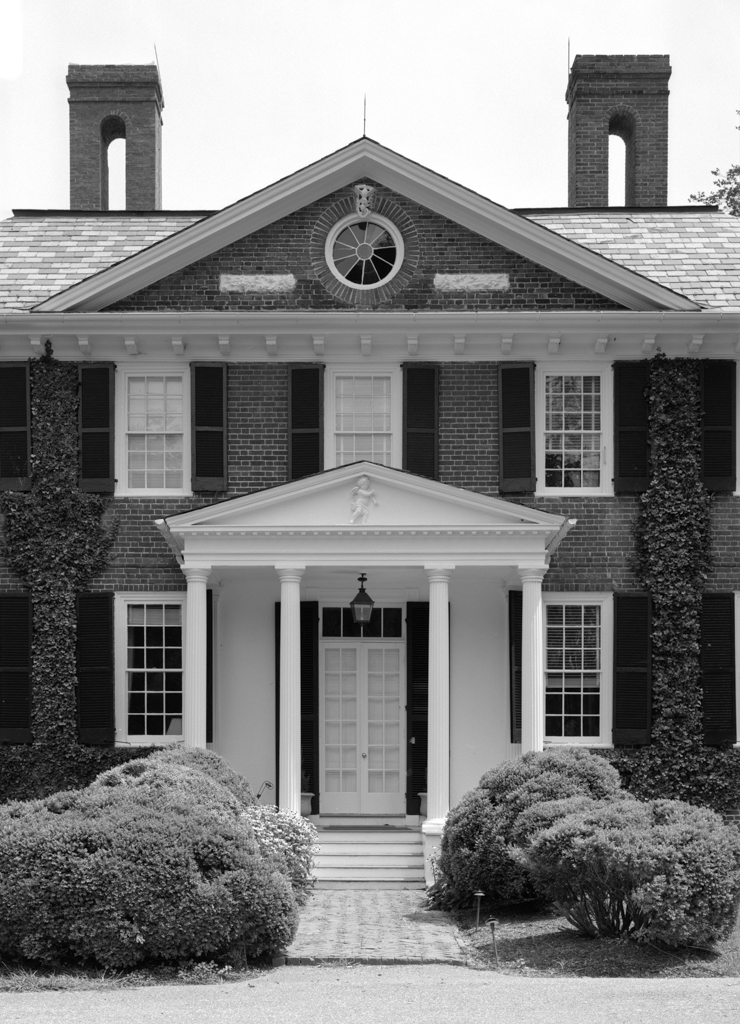
The main block of Tulip Hill is a two-and-a-half story, five-bay-wide, double-pile structure of Flemish-bond brick with a hipped roof. It is flanked by one-and-a-half story, three-bay hyphens that adjoin two-story, two-bay wings. One hyphen and wing houses the pantry and kitchen, respectively, while the one to the opposing side houses a bedchamber and office. Tulip Hill includes many exterior features of particular note including an ornamented portico, large lunette window, cantilevered door hood, and a finial with carved tulip flower. An observation deck on the roof, situated between the two interior chimneys, affords breathtaking views of the river and surrounding landscape.
Samuel was the great-grandson of Richard Galloway, an English Quaker who arrived in 1649, settled near the West River, and became a successful planter. Tulip Hill is a testament to Samuel’s own success—his fine Georgian mansion was built in an era when most Anne Arundel County residents lived in one- or two-room frame dwellings. In addition to being a planter himself, Samuel was also a merchant who owned a fleet of thirty ships, helping to facilitate the transport of tobacco and wheat, which he was able to exchange for other salable goods. Samuel died in 1789 and Tulip Hill remained in the family until 1886. It is still a private residence.